August 31, 2026

Finance

Welcome to the world of yahoo finance stock market news live updates, where timely information meets insightful analysis, making it an essential resource for both seasoned investors and curious newcomers. With a wealth of features, Yahoo Finance not only provides real-time stock updates but also offers a comprehensive overview of market trends and important financial indicators that can shape your investing strategies.

From breaking news to in-depth analysis, Yahoo Finance serves as a hub for all things related to the stock market. Its user-friendly platform allows individuals to track major stocks, indices, and relevant financial data efficiently, empowering investors to make informed decisions in a fast-paced trading environment.

Overview of Yahoo Finance

Yahoo Finance serves as a comprehensive platform for investors and individuals interested in financial news, stock market updates, and economic analysis. It aims to provide users with essential tools and information to make informed decisions regarding their investments. The platform features live stock quotes, financial news articles, interactive charts, and various market data, all tailored to enhance the investment experience.The impact of Yahoo Finance on the stock market cannot be overstated.

It acts as a crucial source of information, allowing investors to stay updated with real-time market dynamics. By providing timely news and detailed analysis, Yahoo Finance influences trading decisions and market trends, making it a pivotal player in the financial landscape. Key sections relevant to stock market news include the homepage that highlights top stories, sector performance, and a dedicated section for real-time quotes and market summaries.

Stock Market News and Live Updates

Yahoo Finance sources its live updates through a combination of proprietary data feeds and partnerships with major financial institutions. This ensures that users receive the most current and accurate information regarding stock performance and market movements. The platform aggregates news from various sources, including press releases, financial reports, and news agencies, all vetted for reliability.Investors can track stock market news via Yahoo Finance through several methods, including setting personalized watchlists, subscribing to alerts for specific stocks, and exploring trending news articles that highlight significant market events.

Real-time information plays a critical role in stock trading, as it allows investors to react quickly to market changes, enhancing their potential for profit while minimizing losses.

Key Financial Indicators Covered by Yahoo Finance

Yahoo Finance tracks a range of key financial indicators that are essential for analyzing stock market performance. Some of the primary indicators include:

  • Price-to-Earnings Ratio (P/E): A measure of a company’s current share price relative to its earnings per share, indicating how much investors are willing to pay for a dollar of earnings.
  • Market Capitalization: The total market value of a company’s outstanding shares, providing insight into its size and stability.
  • Dividend Yield: A financial ratio that indicates how much a company pays out in dividends each year relative to its stock price.
  • Return on Equity (ROE): A measure of financial performance calculated by dividing net income by shareholder equity, indicating how effectively management uses a company’s assets to create profits.

These indicators significantly influence stock market trends. For instance, a high P/E ratio may suggest that a stock is overvalued, while a strong ROE can indicate a well-managed company. Different indicators also play varying roles in stock performance; for example, market capitalization is crucial for assessing the risk profile of an investment.

Analysis of Major Stocks and Indices

Yahoo Finance employs a variety of analytical tools and methodologies to assess major stocks and indices. This includes detailed performance metrics, historical data analysis, and real-time updates that help investors gauge market sentiment. Recent stock performance reports typically highlight notable gains or losses, sector analyses, and comparisons against benchmark indices like the S&P 500 or Dow Jones Industrial Average.Investors can interpret stock data provided by Yahoo Finance by examining trends over time, recognizing patterns, and utilizing technical analysis tools available on the platform.

These analyses empower users to make more strategic decisions regarding buying and selling stocks.

User Engagement and Community Features

Yahoo Finance fosters user engagement by facilitating discussions around stock market trends and investment strategies. The platform includes community forums where users can share insights, ask questions, and participate in discussions about financial topics. This collaborative environment not only enhances user experience but also enriches the overall investment knowledge available on the platform.Methods for participation in financial forums include commenting on articles, joining discussion threads, and sharing personal investment experiences.

Community contributions often lead to diverse perspectives, making the analyses more comprehensive and reflective of various market viewpoints.

Tools and Resources for Investors

Yahoo Finance offers a variety of tools that are invaluable for investors. Below is a table summarizing some key features available on the platform:

Tool Description
Stock Screener Allows users to filter stocks based on specific criteria such as market cap, P/E ratios, and sector performance.
Portfolio Management Enables users to track their investments, analyze performance, and manage their portfolio effectively.
Alerts Users can set up notifications for price changes, news updates, and relevant financial events related to their investments.

Utilizing stock screeners and portfolio management features is straightforward, allowing investors to customize their experience and optimize their investment strategies. Setting up alerts for stock market changes can significantly benefit users by keeping them informed about critical market movements.

Comparison with Other Financial News Platforms

Yahoo Finance differentiates itself from competitors like Bloomberg or CNBC through its user-friendly interface, accessibility, and community-driven discussions. The platform provides a wealth of information at no cost, making it an attractive option for retail investors compared to subscription-based services.Advantages of using Yahoo Finance include its comprehensive coverage of market news, real-time updates, and interactive tools. However, some disadvantages may involve less in-depth analysis compared to premium financial news outlets.

Unique features of Yahoo Finance, such as its personalized watchlists and community forums, enhance user engagement and investment education.

Frequently Asked Questions about Yahoo Finance

Common misconceptions about Yahoo Finance include the belief that it only caters to experienced investors. In reality, the platform is designed for users of all levels, offering resources and tools that can help novices learn the ropes of investing. For resolving issues encountered on Yahoo Finance, users can access customer support through the help center, which provides solutions to common problems and FAQs.

Maximizing the use of Yahoo Finance involves familiarizing oneself with the various tools and features available, participating in community discussions, and regularly checking updates to stay informed about market trends.

Outcome Summary

In conclusion, staying updated with yahoo finance stock market news live updates is crucial for anyone looking to navigate the complexities of the stock market confidently. By leveraging the tools and insights provided by Yahoo Finance, investors can enhance their understanding of market movements and ultimately improve their investment outcomes. Make sure to keep an eye on this dynamic platform as it evolves to meet the needs of its users.

Question & Answer Hub

What features does Yahoo Finance offer for tracking stock prices?

Yahoo Finance offers tools such as customizable watchlists, charts, and real-time price alerts to help users track stock prices effectively.

How can I participate in discussions on Yahoo Finance?

Users can engage in discussions by joining financial forums and commenting on articles and stock news within the Yahoo Finance community.

Are the live updates on Yahoo Finance reliable?

Yes, Yahoo Finance sources its live updates from reputable financial news providers and market data services, ensuring accuracy and timeliness.

What should I do if I encounter issues on Yahoo Finance?

If you encounter issues, you can visit the Yahoo Finance help center or contact customer support for assistance.

How can I maximize my use of Yahoo Finance?

Maximize your use of Yahoo Finance by utilizing its analytical tools, setting relevant alerts, and staying engaged with the community for fresh insights.

Bitcoin, a decentralized digital currency, has gained significant traction. This exploration dives into the intricacies of acquiring Bitcoin using credit cards, focusing on the Reddit community’s insights and experiences. We’ll examine the pros and cons, comparing this method to alternatives, while highlighting security considerations.

The landscape of cryptocurrency transactions is constantly evolving. Understanding the different avenues for purchasing Bitcoin is crucial for anyone considering this investment. This article delves into the nuances of using credit cards, providing a comprehensive overview of the process, risks, and potential rewards.

Introduction to Bitcoin Purchasing

Bitcoin, a decentralized digital currency, operates independently of central banks and governments. Its value is determined by supply and demand, influenced by factors like market sentiment and adoption rates. Unlike traditional currencies, Bitcoin transactions are recorded on a public ledger called a blockchain, enhancing transparency and security.Bitcoin’s emergence represents a significant shift in how we perceive and manage value.

It has become a globally recognized asset class, with both investment opportunities and potential challenges for users.

Methods of Acquiring Bitcoin

Different methods exist for acquiring Bitcoin. Users can purchase Bitcoin directly from exchanges, utilizing various payment methods. These exchanges act as intermediaries, facilitating the buying and selling of Bitcoin. Other methods include peer-to-peer transactions, which can be more complex and involve risks, and staking or mining, although these methods require substantial technical knowledge and computational resources.

Cryptocurrency Exchanges

Cryptocurrency exchanges are platforms that connect buyers and sellers of cryptocurrencies, including Bitcoin. They provide a marketplace for trading Bitcoin and other cryptocurrencies. These platforms offer various features, such as order books, real-time price updates, and deposit/withdrawal options. Users must create an account, verifying their identity to comply with regulations and security protocols. This ensures secure and legitimate transactions.

Intermediaries in Bitcoin Transactions

Intermediaries, such as cryptocurrency exchanges, play a crucial role in facilitating Bitcoin transactions. They act as a bridge between buyers and sellers, handling the technical aspects of the transaction, including security and verification. This reduces the complexity for individual users and enhances the efficiency of the Bitcoin ecosystem.

Step-by-Step Guide to Buying Bitcoin

A basic step-by-step guide for buying Bitcoin includes:

  1. Select a reputable cryptocurrency exchange: Research and choose a platform with strong security measures and user reviews.
  2. Create an account and verify your identity: This crucial step ensures compliance with regulations and protects against fraudulent activities. Verification typically involves providing personal information and documents.
  3. Fund your account: Deposit funds into your exchange account using a supported payment method (like credit cards, bank transfers, or other cryptocurrencies).
  4. Place a market or limit order: Specify the amount of Bitcoin you wish to purchase and the price you’re willing to pay. Market orders execute immediately at the current market price, while limit orders only execute when the price reaches your specified level.
  5. Review and confirm the transaction: Carefully review the transaction details and confirm the purchase to complete the transaction.

History of Bitcoin’s Emergence and Adoption

Bitcoin’s development began with the release of the whitepaper by Satoshi Nakamoto in 2008. The initial adoption was slow, but the growing interest in digital currencies and the rising adoption rates have steadily increased the usage of Bitcoin. Factors like increasing market capitalization, growing community support, and the emergence of various use cases have contributed to the continued adoption and recognition of Bitcoin.

Buying Bitcoin with Credit Cards

Using credit cards to purchase Bitcoin is a readily available option for many users. However, it’s crucial to understand the advantages and disadvantages before making a transaction. This method, while convenient, comes with inherent risks that differ significantly from other methods of acquisition. Carefully weighing these factors is essential for informed decision-making.The ease of use and immediate access often offered by credit card transactions are enticing.

However, a deeper examination reveals a complex interplay of benefits and drawbacks. It’s important to understand these nuances to make a sound decision regarding your Bitcoin investment strategy.

Comparison with Other Methods

Understanding how credit card purchases compare with other methods provides a clearer picture of their suitability. Different methods offer varying degrees of speed, security, and associated fees. For example, bank transfers can be slow, while exchanges often have higher fees for trading cryptocurrencies. A thorough comparison aids in choosing the most appropriate method for your needs.

Advantages of Using Credit Cards

Several advantages contribute to the appeal of using credit cards for Bitcoin purchases. The convenience of immediate access, often coupled with readily available credit limits, can be a significant benefit. This immediate availability allows for quick transactions and potentially faster entry into the cryptocurrency market. Furthermore, some credit cards offer rewards programs, which can translate into additional benefits for Bitcoin purchases.

  • Convenience and Speed: Credit card transactions generally allow for quicker Bitcoin acquisition compared to traditional bank transfers or other methods. This immediate access is often a major advantage for those looking to participate in the market promptly.
  • Potential Rewards Programs: Some credit cards offer rewards programs that can provide additional benefits, such as cashback or points, for Bitcoin purchases. This could translate into financial incentives for adopting this method.
  • Established Infrastructure: Credit card networks are well-established and widely recognized, providing a level of familiarity and security that some alternative methods may not possess.

Potential Drawbacks and Risks

While credit cards offer convenience, they also come with inherent risks. One major concern is the potential for higher transaction fees compared to other methods. Furthermore, the use of credit cards to purchase Bitcoin carries a higher risk of fraud compared to other methods, potentially leading to unexpected charges or unauthorized transactions.

  • Higher Transaction Fees: Credit card processing often incurs higher transaction fees compared to other payment methods, reducing the overall profitability of the Bitcoin purchase. This is an important factor to consider when calculating the total cost of acquiring Bitcoin.
  • Increased Fraud Risk: The use of credit cards introduces a higher risk of fraud compared to other methods. This risk stems from the potential for unauthorized transactions or fraudulent activities targeting credit card information. Security measures and vigilance are paramount.
  • Interest Charges: If the Bitcoin purchase is not paid off in full within the credit card’s billing cycle, interest charges may accrue. This can significantly increase the overall cost of acquiring Bitcoin.

Security Considerations

Ensuring the security of credit card transactions for Bitcoin purchases is paramount. This includes choosing reputable platforms that employ strong security measures, such as encryption and secure payment gateways. It is crucial to regularly monitor credit card statements for any unusual activity.

  • Reputable Platforms: Selecting platforms known for their security and reputable history is crucial. Thorough research and reviews can help determine trustworthy platforms that prioritize security and user protection.
  • Secure Payment Gateways: Platforms utilizing secure payment gateways, such as HTTPS, protect sensitive credit card information during transactions. This safeguards against unauthorized access to financial details.
  • Monitoring Statements: Regularly reviewing credit card statements for any unauthorized transactions is essential. This proactive approach helps identify and address potential security breaches promptly.

Reputable Platforms

Several platforms offer secure Bitcoin purchases using credit cards. Researching and selecting reputable platforms is essential to ensure a safe and secure transaction. These platforms typically have strong security protocols in place to protect user information.

  • Example 1: A specific, well-regarded platform known for secure transactions and user protection.
  • Example 2: Another platform with a strong reputation for reliable and secure Bitcoin purchases via credit cards.

Fees and Transaction Costs

Fees associated with credit card Bitcoin purchases can vary depending on the platform and the specific transaction. These fees should be clearly Artikeld and understood before completing the purchase. A comparison of different platforms is advisable to identify the most cost-effective option.

  • Platform-Specific Fees: Platforms may charge fees that are specific to their services. These fees should be transparently disclosed and understood before initiating a transaction.
  • Credit Card Network Fees: Credit card networks also impose fees, which are often built into the overall transaction cost. Understanding these fees is essential for budgeting purposes.

Reddit Discussion on Bitcoin Credit Card Purchases

Reddit users frequently discuss the nuances of buying Bitcoin with credit cards, offering a diverse range of perspectives. These discussions often highlight both the advantages and pitfalls of this payment method, providing valuable insights for potential buyers. The community’s experiences range from positive transactions to cautionary tales, offering a comprehensive view of the practice.

Common Themes and Perspectives

Reddit threads on Bitcoin credit card purchases frequently reveal a mix of enthusiasm and skepticism. Many users appreciate the convenience of credit card transactions, particularly for those unfamiliar with traditional Bitcoin wallets or exchanges. Conversely, others express concern over the potential risks and fees associated with using credit cards for cryptocurrency purchases. This contrast highlights the need for careful consideration before employing this method.

Pros and Cons of Credit Card Bitcoin Purchases

  • Pros: Convenience is a significant advantage. Users appreciate the ease of purchasing Bitcoin using familiar credit cards, eliminating the need for complex wallet setups. For many, this accessibility is a significant driver for engaging with Bitcoin. Some users also mention the potential for rewards programs associated with their credit cards, potentially offering a small additional benefit beyond the transaction itself.

  • Cons: A frequent concern involves the potential for high transaction fees. These fees, often imposed by both the credit card company and the Bitcoin exchange, can significantly impact the profitability of the purchase. Security risks are also frequently raised, with some users highlighting the potential for fraudulent activity or unauthorized charges. Furthermore, the volatility of Bitcoin’s price, combined with the potential for fluctuations during the transaction, can impact the final cost of the purchase, potentially resulting in a loss or reduced return compared to expected value.

Popular Concerns and Criticisms

  • High Fees: A recurring theme in Reddit discussions is the concern over substantial fees charged by both credit card companies and Bitcoin exchanges. These fees can diminish the overall profit margin and make the transaction less attractive. Users often highlight the importance of carefully comparing these fees across different platforms.
  • Security Risks: The security of credit card information is a significant concern. Users are worried about potential data breaches or unauthorized charges related to Bitcoin purchases. Discussions often recommend utilizing secure payment methods and carefully researching the reputation of the Bitcoin exchange or platform being used.
  • Transaction Volatility: The fluctuating nature of Bitcoin’s price is a frequent source of concern. The price may shift between the moment the transaction is authorized and completed, potentially leading to a different value than anticipated. This concern is often addressed with suggestions for using limit orders or understanding the time frame for completion.

Solutions and Workarounds

  • Comparing Fees: Users frequently advise comparing transaction fees across different credit cards and Bitcoin exchanges. Thorough research is crucial to identify the most cost-effective option. This proactive approach can mitigate the negative impact of excessive fees.
  • Using Secure Payment Methods: Several users recommend employing secure payment methods, including virtual credit cards or dedicated Bitcoin payment cards, to minimize security risks. They stress the importance of using reputable and trusted platforms.
  • Understanding Transaction Times: Many users emphasize the importance of understanding the time frame for transactions. This awareness helps mitigate potential price fluctuations and allows users to make informed decisions.

User Experiences

  • Success Stories: Positive experiences frequently involve users finding convenient and relatively straightforward transactions with minimal issues. These stories often highlight the ease of using credit cards for Bitcoin purchases, particularly for those new to the cryptocurrency market. Users might cite low fees and the convenience factor as significant benefits.
  • Cautionary Tales: Cautionary tales often revolve around substantial fees, security concerns, or unexpected price fluctuations. Users might detail situations where high fees eroded profits or where price changes resulted in a less favorable outcome than expected. These stories highlight the importance of careful consideration before making transactions.

Alternative Methods for Bitcoin Purchase

Beyond credit cards, a range of methods allows individuals to acquire Bitcoin. These alternatives offer varying degrees of convenience, security, and cost. Understanding these options is crucial for making informed decisions.

Bank Transfers and Wire Transfers

Bank transfers and wire transfers are common methods for transferring funds between accounts. This method often involves interacting with a Bitcoin exchange or wallet provider. These transactions typically take a few days to complete, and fees vary based on the bank, the exchange, and the amount being transferred.

  • Advantages: Widely available, often integrated with existing financial infrastructure. Potentially lower transaction fees compared to some other methods.
  • Disadvantages: Slower transaction times than some other methods. Requires careful monitoring to ensure the funds are transferred correctly. Fees can still vary and potentially impact the final cost of acquiring Bitcoin.
  • Transaction Speed: Typically takes several business days. However, this time can vary based on the specific bank and the chosen payment processor.
  • Costs: Bank transfer fees can vary significantly and are influenced by factors such as the amount transferred, the participating banks, and any associated transaction fees.
  • Security: Security relies on the security measures implemented by the bank, exchange, and the user. Using strong passwords, two-factor authentication, and monitoring transactions are crucial.
  • Regulatory Landscape: Regulated by banking and financial regulations, which can differ based on the region and jurisdiction. Compliance with local regulations is essential.

Peer-to-Peer (P2P) Exchanges

P2P exchanges connect buyers and sellers directly, facilitating transactions without intermediaries. This method often involves using a dedicated platform or application.

  • Advantages: Potentially lower fees compared to traditional exchanges. Allows direct interaction between buyers and sellers. Can offer more flexibility in terms of transaction details and payment methods.
  • Disadvantages: Higher risk of scams and fraud compared to exchanges. Requires thorough due diligence when selecting a counterparty. Requires verifying the identity of the other party.
  • Transaction Speed: Can vary greatly depending on the negotiation between the buyer and seller. Can be faster than traditional exchanges but may take longer than instant exchanges.
  • Costs: Transaction fees are often lower than exchange fees, but they can vary widely. Fees can also be influenced by the buyer and seller’s chosen payment method.
  • Security: Requires strong security measures on the platform and individual vigilance by the buyer and seller. Using escrow services and secure communication methods is crucial.
  • Regulatory Landscape: Regulation varies depending on the jurisdiction and platform. Compliance with local regulations is vital.

Gift Cards and Prepaid Cards

Gift cards and prepaid cards can be used for Bitcoin purchases through certain exchanges or platforms. This method often requires an intermediate step.

  • Advantages: May provide a degree of anonymity. Potentially convenient for certain individuals.
  • Disadvantages: Fees and limitations can apply. Security concerns are often present.
  • Transaction Speed: Transaction speed can vary depending on the platform and the specific gift card or prepaid card used. Some methods might be slower than instant exchanges.
  • Costs: Fees can be substantial depending on the exchange or platform used. These fees often impact the final price.
  • Security: Security relies on the security measures implemented by the exchange and the user. Monitoring transactions and using secure platforms are essential.
  • Regulatory Landscape: Regulated by the jurisdictions of the gift card issuer and the exchange.

Other Cryptocurrency Exchanges

Exchanges that support other cryptocurrencies often allow users to exchange those cryptocurrencies for Bitcoin.

  • Advantages: Allows users to leverage existing cryptocurrency holdings. Provides a direct path for exchanging other cryptocurrencies into Bitcoin.
  • Disadvantages: Fees can be substantial depending on the exchange and the cryptocurrency being traded. Requires understanding the different cryptocurrencies and their associated risks.
  • Transaction Speed: Transaction speed is typically faster than some other methods, depending on the exchange’s infrastructure and the volume of transactions.
  • Costs: Exchange fees are often present and can vary depending on the exchange and the amount being traded.
  • Security: Security relies on the security measures implemented by the exchange. Storing and managing digital assets safely is critical.
  • Regulatory Landscape: Regulated by the jurisdictions where the exchanges operate.

Table Comparing Methods

Method Pros Cons Speed Cost
Bank Transfer/Wire Transfer Widely available, potentially lower fees Slow transaction times Days Variable
P2P Exchange Potentially lower fees, direct interaction Higher risk, due diligence needed Variable Variable
Gift Cards/Prepaid Cards Potentially anonymous Fees and limitations, security concerns Variable Variable
Other Cryptocurrency Exchanges Leverage existing crypto holdings Fees, understanding other crypto risks Faster Variable

General Information about Buying Bitcoin

Bitcoin, a decentralized digital currency, requires specific knowledge and tools to purchase and manage. Understanding Bitcoin wallets, exchange platforms, and KYC procedures is crucial for secure and compliant transactions. This section provides a comprehensive overview of these essential aspects.Bitcoin’s popularity stems from its potential for financial freedom and its decentralized nature, but navigating its world demands understanding the supporting infrastructure.

A well-informed approach to purchasing and managing Bitcoin is key to avoiding common pitfalls.

Bitcoin Wallets

Bitcoin wallets are digital repositories that store your Bitcoin private keys, allowing you to send and receive Bitcoin. They are essential for securely managing your cryptocurrency holdings. Different types of wallets cater to various needs and security levels. Choosing the right wallet is crucial for safeguarding your digital assets.

Setting Up a Bitcoin Wallet

Setting up a Bitcoin wallet typically involves downloading software, creating an account, and generating a unique set of cryptographic keys. These keys are your access to your Bitcoin. Security best practices, such as strong passwords and two-factor authentication, are vital for protecting your wallet. Carefully consider the security measures offered by different wallet types.

KYC Procedures in Bitcoin Transactions

Know Your Customer (KYC) procedures are increasingly important in cryptocurrency transactions. They aim to verify user identities to prevent illicit activities. Compliance with KYC regulations is essential for conducting legitimate Bitcoin transactions. This involves providing identification documents and undergoing verification processes.

Bitcoin Exchange Platforms

Bitcoin exchange platforms are online marketplaces that facilitate the buying and selling of Bitcoin. They act as intermediaries, connecting buyers and sellers. Choosing a reputable exchange platform is crucial for ensuring the safety of your transactions. Understanding the different types of exchanges available is critical to selecting the right platform for your needs.

Types of Bitcoin Exchanges

Several types of Bitcoin exchanges cater to diverse needs and preferences. Centralized exchanges operate under a single entity, offering user-friendly interfaces but with potential risks associated with single points of failure. Decentralized exchanges (DEXs) offer more autonomy but come with a steeper learning curve and potentially higher fees. Consider the level of control and security offered by each type.

Comparison of Popular Bitcoin Exchanges

Exchange Features Security Fees
Coinbase User-friendly interface, wide range of services, strong security measures. High security standards, employs multi-layered security protocols. Variable, dependent on transaction type.
Binance Vast trading volume, diverse asset offerings, advanced trading tools. Robust security measures, employs advanced security protocols and cold storage. Variable, dependent on trading volume and trading pairs.
Kraken High trading volume, strong focus on institutional investors, competitive fees. Industry-leading security standards, uses advanced security measures and cold storage. Competitive fees, but can vary.

The table above provides a basic overview of popular exchanges. It’s important to conduct thorough research and consider your individual needs before selecting an exchange. Compare fees, security measures, and available trading options to find the most suitable platform.

Security Considerations When Buying Bitcoin

Purchasing Bitcoin, like any financial transaction, necessitates a high degree of vigilance regarding security. Understanding the inherent risks and employing appropriate precautions can significantly reduce the likelihood of financial loss or personal data compromise. This section delves into crucial security considerations for Bitcoin buyers.Bitcoin transactions, while seemingly straightforward, are susceptible to a multitude of scams and fraudulent activities.

Buyers must remain acutely aware of these threats and adopt a proactive approach to safeguarding their investments and personal information.

Common Bitcoin Purchase Scams

A significant concern for Bitcoin buyers is the prevalence of fraudulent schemes. These scams often exploit the relative anonymity of Bitcoin transactions and the lack of centralized regulation in the market. Common types of scams include phishing attempts, fake exchanges, and “pump and dump” schemes. Phishing emails and websites impersonate legitimate Bitcoin platforms to trick users into revealing sensitive login credentials or private keys.

Fake exchanges often promise high returns or attractive features but ultimately disappear with investors’ funds. Pump-and-dump schemes involve artificially inflating the price of a cryptocurrency, attracting investors, and then quickly selling their holdings to generate profits at the expense of others.

Protecting Your Personal Information and Funds

Protecting personal information and funds is paramount when engaging in Bitcoin transactions. Use strong, unique passwords for all Bitcoin-related accounts. Avoid using easily guessable passwords or reusing passwords from other accounts. Enable two-factor authentication (2FA) wherever possible to add an extra layer of security. Be cautious about sharing personal information on untrusted websites or forums.

Only interact with verified and reputable Bitcoin platforms. Store your private keys securely, and never share them with anyone. Avoid using public Wi-Fi networks for sensitive transactions. Always ensure secure connections when making Bitcoin purchases.

Best Practices for Secure Bitcoin Transactions

Implementing best practices can drastically reduce the risk of financial loss and fraud. Verify the legitimacy of the Bitcoin exchange or platform before making any transactions. Read reviews and check for reputable credentials. Use a secure and reputable Bitcoin wallet. Consider a hardware wallet for increased security.

Never disclose your private keys to anyone. Conduct thorough research before making any investments. Be wary of unusually high returns or promises of easy profits. Always use secure payment methods and ensure secure connections. Never rush into a transaction.

Potential Vulnerabilities and Risks

Bitcoin transactions, while secure, are not entirely immune to vulnerabilities. The decentralized nature of Bitcoin can leave users exposed to risks if proper precautions aren’t taken. Software vulnerabilities in Bitcoin wallets or exchanges can potentially expose users’ funds to theft. Social engineering tactics can be employed to manipulate users into revealing sensitive information. Market fluctuations and price volatility can also affect the value of Bitcoin holdings.

Be aware of the potential for hacking or malware attacks that can compromise your computer or mobile device and steal your Bitcoin.

Steps to Take if You Suspect Fraudulent Activity

If you suspect fraudulent activity, immediate action is crucial. Immediately stop all transactions related to the compromised account. Contact the relevant authorities, such as law enforcement or the platform involved, to report the incident. Change your passwords and enable two-factor authentication on all accounts. Monitor your accounts closely for any unusual activity.

Consider consulting a financial advisor or legal professional for guidance. Document all evidence related to the fraudulent activity. Keep detailed records of your transactions, correspondence, and communication with involved parties.

Illustrative Examples of Bitcoin Purchases

Purchasing Bitcoin involves navigating a digital landscape with various options and potential risks. Understanding legitimate transactions and recognizing fraudulent attempts is crucial for a safe experience. This section provides examples to help you make informed decisions.

Safe and Legitimate Bitcoin Purchase

A secure and legitimate Bitcoin purchase typically involves a reputable exchange platform like Coinbase or Kraken. These platforms employ robust security measures, including two-factor authentication (2FA) and transaction verification.

  • User creates an account on Coinbase, verifying identity through required documentation.
  • User deposits funds into their Coinbase account using a linked bank account or debit/credit card.
  • User selects the Bitcoin purchase option and specifies the amount.
  • Coinbase processes the transaction and credits the user’s account with the acquired Bitcoin.
  • User confirms the transaction details and receives confirmation emails/notifications.

Avoiding Pitfalls: Always double-check transaction details before confirming. Be wary of unsolicited emails or messages promising unusually high returns on Bitcoin investments.

Fraudulent Bitcoin Purchase Attempt

A fraudulent Bitcoin purchase attempt often involves phishing scams or fake websites mimicking legitimate platforms.

  • A user receives an email claiming to be from a Bitcoin exchange, asking for login credentials.
  • The email contains a link to a fraudulent website that looks almost identical to the legitimate exchange site.
  • User enters their login credentials on the fake site, inadvertently providing their login information to scammers.
  • The scammers gain access to the user’s account and steal their Bitcoin.

Steps to Take in Case of Fraud

If you suspect a fraudulent Bitcoin purchase, immediately report the incident to the platform where the purchase was attempted. Contact your bank or financial institution to report any fraudulent activity on your linked accounts.

  • Immediately change your passwords and enable two-factor authentication on all affected accounts.
  • Monitor your accounts for suspicious activity and report any discrepancies.
  • File a complaint with the relevant authorities, such as the Federal Trade Commission (FTC).

Tracking Bitcoin Transactions

Bitcoin transactions are recorded on a public ledger called the blockchain. This allows you to track your Bitcoin movements across different wallets and exchanges. Using blockchain explorers, you can trace your Bitcoin transactions.

  • Use a Bitcoin wallet’s built-in transaction history feature.
  • Utilize dedicated blockchain explorers to view your Bitcoin transactions.
  • Keep a record of your Bitcoin transactions, including dates, amounts, and relevant details.

Bitcoin Purchase Process Visualization

Step Description
1 Create an account on a reputable Bitcoin exchange (e.g., Coinbase).
2 Deposit funds into your exchange account using a supported payment method (e.g., bank transfer).
3 Initiate a Bitcoin purchase by selecting the desired amount.
4 Review and confirm the transaction details, including the amount, fee, and recipient address.
5 The exchange processes the transaction and credits your account with the purchased Bitcoin.

Summary

In conclusion, buying Bitcoin with a credit card on Reddit presents a mixed bag of experiences. While convenience is a draw, security concerns and potential fees are prominent considerations. Alternative methods exist, each with its own set of advantages and disadvantages. Ultimately, informed decision-making is key, and understanding the risks involved is paramount before engaging in any Bitcoin purchase.

Clarifying Questions

Is buying Bitcoin with a credit card safe?

Using credit cards for Bitcoin purchases involves inherent risks. While some platforms offer a degree of security, the potential for fraud and unauthorized transactions exists. Thorough research and due diligence on the chosen platform are crucial.

What are the common concerns raised on Reddit about using credit cards for Bitcoin?

Reddit users often voice concerns about transaction fees, security risks associated with credit card information, and the potential for scams or fraudulent platforms.

What are some alternative methods for buying Bitcoin?

Alternatives to credit cards include using bank transfers, peer-to-peer exchanges, or other cryptocurrency platforms.

How important is KYC (Know Your Customer) in Bitcoin transactions?

KYC procedures are crucial for verifying user identities and preventing illicit activities. They are a standard security measure in the cryptocurrency space.

Looking to acquire Bitcoin? Zelle, a popular peer-to-peer payment platform, is often considered for such transactions. However, this method isn’t a straightforward option, and there are important factors to consider. This comprehensive guide explores the possibility of buying Bitcoin using Zelle, outlining the limitations, potential workarounds, and alternative methods for acquiring Bitcoin.

Bitcoin, a decentralized digital currency, offers a unique alternative to traditional financial systems. It operates on a peer-to-peer network, enabling secure and fast transactions. Zelle, on the other hand, is a streamlined platform for sending and receiving money within a traditional banking system. The core difference lies in the fundamental nature of each system. Understanding this distinction is crucial in determining if using Zelle for Bitcoin purchases is a feasible option.

Introduction to Bitcoin and Zelle

How to buy Bitcoin with Zelle 2025 | Step-by-step guide - Marketplace ...

Bitcoin is a decentralized digital currency, operating independently of central banks or governments. Its core principle is peer-to-peer transactions, enabling direct transfers between users without intermediaries. This eliminates the need for traditional financial institutions, leading to potentially lower transaction fees and greater accessibility. Zelle, on the other hand, is a mobile payment network facilitating person-to-person payments through bank accounts.Zelle leverages existing banking infrastructure, providing a streamlined, often instantaneous method for transferring funds between individuals.

Bitcoin and Zelle offer distinct approaches to digital transactions, catering to different user needs and preferences.

Bitcoin Overview

Bitcoin functions as a digital asset, operating on a decentralized network. Transactions are recorded on a public ledger called a blockchain. This blockchain is a continuously growing list of records, secured using cryptography. Each block in the chain contains a set of transactions and is linked to the previous block, creating a chronological and tamper-proof record.

Zelle Functionality

Zelle is a person-to-person payment network integrated with bank accounts. Users can send and receive money using their mobile phones or online banking platforms. Funds are typically transferred almost instantly, depending on bank processing times.

User Experience

Bitcoin users typically interact with wallets, which can be software or hardware. These wallets allow users to store, send, and receive Bitcoin. The user experience often involves navigating the blockchain network and confirming transactions. Zelle, in contrast, leverages existing banking systems, making the user experience more straightforward, resembling a typical online banking transfer. Users can initiate transactions directly within their bank’s mobile app or online interface.

Comparison of Transactions

Feature Bitcoin Zelle
Speed Variable; transaction confirmation can take several minutes to a few hours. Transaction speed depends on network congestion. Generally near-instantaneous, though actual time may vary based on bank processing.
Security Secure due to cryptographic hashing and decentralized network. Transactions are recorded on a public ledger, which makes them relatively resistant to fraud. Secure through bank security measures. Zelle relies on bank-level security for protecting transactions.
Cost Generally low, often only a small transaction fee to the network. Fees may vary depending on network activity. Typically low or free. Some banks may impose fees for high-value transactions.

Bitcoin Purchase Methods

Acquiring Bitcoin involves various methods, each with its own nuances in terms of security, cost, and accessibility. Understanding these methods is crucial for anyone looking to invest in or use this cryptocurrency. Navigating the digital landscape of Bitcoin purchases requires careful consideration of available platforms and their inherent risks and rewards.Different methods cater to diverse needs and risk tolerances.

Some are faster and simpler, while others offer more control and potentially lower fees. The selection of a suitable method depends on factors like user experience, security priorities, and the desired level of anonymity.

Common Bitcoin Acquisition Methods

Various avenues facilitate the purchase of Bitcoin. Direct exchange with other users, often facilitated through peer-to-peer (P2P) platforms, offers a direct approach. This method can be efficient but presents heightened security risks if not carefully managed. Formalized exchanges, on the other hand, provide a regulated environment with increased security features.

Bitcoin Exchanges: Facilitating Transactions

Bitcoin exchanges act as intermediaries in the buying and selling of Bitcoin. These platforms connect buyers and sellers, processing transactions and maintaining the necessary infrastructure for trade. They often employ advanced security measures to protect user funds and transactions. Notable examples include Coinbase, Kraken, and Binance, each with its own set of features and user bases. These exchanges generally require user registration and verification processes, ensuring a degree of security and control over the transactions.

Payment Platforms for Bitcoin Purchases

Numerous payment platforms facilitate Bitcoin purchases. Credit/debit cards, bank transfers, and digital wallets are common methods, each with its own associated fees and limitations. Credit/debit card transactions are typically faster but often incur higher fees compared to bank transfers. Digital wallets provide a convenient and secure way to store and manage cryptocurrency. The selection of a payment platform often hinges on factors like transaction speed, associated fees, and user familiarity.

Security Considerations in Bitcoin Purchases

Security is paramount when acquiring Bitcoin. Using reputable and secure exchanges is crucial, as well as maintaining strong passwords and enabling two-factor authentication (2FA) whenever possible. Storing Bitcoin in a secure digital wallet is also important. Maintaining vigilance against phishing scams and suspicious activities is vital. Users should also familiarize themselves with the specific security protocols of the chosen platform.

Protecting personal information and diligently scrutinizing transactions is critical for maintaining a secure investment process.

Comparison of Bitcoin Purchase Platforms

Platform Fees Security Measures Typical User Reviews
Coinbase Variable, depending on transaction type Robust security measures, including 2FA and cold storage Generally positive, with a focus on user-friendliness and security
Kraken Variable, depending on transaction type Advanced security measures, including multi-factor authentication Positive reviews, often highlighting the platform’s advanced features
Binance Variable, often competitive Advanced security protocols, with a focus on global accessibility Mixed reviews, often highlighting the platform’s large volume but potential complexities
LocalBitcoins Variable, dependent on individual seller Security varies significantly by seller, users should exercise caution Mixed reviews, often highlighting both the potential for low fees and high risks

Note: Fees, security measures, and user reviews can fluctuate over time. It’s crucial to research and compare platforms before making a purchase. Always prioritize security and conduct thorough due diligence.

Zelle and Bitcoin Integration (or Lack Thereof)

Zelle, a popular peer-to-peer payment network, facilitates quick and easy money transfers between individuals and businesses. However, it’s designed for traditional fiat currency transactions, not cryptocurrencies like Bitcoin. This fundamental difference prevents direct Bitcoin purchases through the Zelle platform.Zelle’s core functionality is built around bank accounts and financial institutions. It lacks the necessary infrastructure and protocols to handle the complexities of cryptocurrency transactions, such as managing cryptographic keys and validating blockchain transactions.

This makes a direct integration between Zelle and Bitcoin impractical and, for now, unlikely.

Reasons for Zelle’s Non-Support of Bitcoin

Zelle’s architecture is fundamentally tied to traditional financial institutions. Cryptocurrency transactions operate outside this system, relying on decentralized networks and cryptographic security. These distinct systems make a direct integration highly complex and challenging to implement securely. A seamless exchange would require significant modifications to Zelle’s existing infrastructure and a substantial increase in operational complexity.

Limitations of Zelle in Handling Cryptocurrency Transactions

Zelle’s design lacks the necessary features to support the technical nuances of cryptocurrency transactions. It cannot handle the cryptographic validation process or the fluctuating nature of cryptocurrency values. Furthermore, Zelle’s current compliance and regulatory framework isn’t equipped to handle the unique characteristics of cryptocurrency transactions, making their integration legally and operationally complex.

Possible Workarounds for Buying Bitcoin Using Zelle

While Zelle doesn’t directly support Bitcoin, several workarounds are available. These typically involve utilizing existing financial tools or third-party services to bridge the gap between Zelle and Bitcoin transactions. It’s important to note that these methods may introduce additional steps, fees, or security risks.

Security Risks Associated with Zelle for Bitcoin Purchases

Using Zelle for Bitcoin purchases, even with workarounds, introduces potential security risks. These risks include fraud, unauthorized access to bank accounts, and the possibility of losing funds during the transaction process. Users should be cautious and thoroughly research any third-party services involved to mitigate potential security vulnerabilities.

Detailed Example of a Potential Workaround

A common workaround involves using a bank account and a cryptocurrency exchange. A user could transfer funds from their bank account to a cryptocurrency exchange using Zelle. Then, they could use the funds on the exchange to purchase Bitcoin. This method, while indirect, allows for the transfer of funds via Zelle to facilitate the purchase of Bitcoin.

Table of Potential Workarounds

Workaround Pros Cons Security Considerations
Using a cryptocurrency exchange with Zelle-enabled bank transfers Relatively straightforward; many exchanges support bank transfers. Potentially higher fees compared to other methods; exchange platform security is crucial. Ensure the exchange has robust security measures; be wary of scams or fraudulent exchanges.
Using a peer-to-peer (P2P) Bitcoin marketplace with Zelle support (if available) Potential for lower fees than using an exchange; direct transactions. Limited availability of such platforms; increased risk of encountering fraudulent sellers. Verify seller credentials meticulously; avoid sending funds without thorough verification.
Using a third-party service that acts as an intermediary between Zelle and a cryptocurrency exchange Potentially simplifies the process; allows for multiple transactions. Fees and commissions can accumulate; security depends on the third-party service. Scrutinize the third-party service thoroughly; check for user reviews and security certifications.

Buying Bitcoin – General Information

Bitcoin, a decentralized digital currency, can be purchased through various methods. Understanding the process and associated factors is crucial for navigating the market safely and effectively. This section details the typical steps, potential pitfalls, and crucial considerations for buying Bitcoin.

The Bitcoin Purchasing Process Overview

The process of acquiring Bitcoin involves converting fiat currency (like dollars or euros) into the cryptocurrency. This typically occurs through exchanges or brokers specializing in cryptocurrency transactions. The process usually involves account creation, verification, funding, and then the actual purchase of Bitcoin.

Typical Steps in Purchasing Bitcoin

  1. Account Creation and Verification: Users typically need to create an account with a reputable Bitcoin exchange or broker. This involves providing personal information for verification, a process designed to prevent fraudulent activities.
  2. Funding the Account: Once the account is verified, users must deposit funds into their account. Methods include bank transfers, wire transfers, or other supported payment methods. It’s essential to confirm the deposit is successfully reflected in the account balance.
  3. Selecting the Bitcoin Purchase Amount: Users can specify the exact amount of Bitcoin they wish to purchase. This involves selecting the desired quantity and confirming the price.
  4. Executing the Purchase: Once all details are confirmed, the transaction is executed, converting the deposited funds into Bitcoin and adding it to the user’s account balance.
  5. Bitcoin Wallet Address Confirmation: The exchange will provide a Bitcoin wallet address where the purchased Bitcoin will be sent. This step confirms the recipient address.

Factors to Consider When Buying Bitcoin

  • Security: Choose a reputable exchange with robust security measures to protect your funds and Bitcoin. Look for exchanges with strong encryption and multi-factor authentication.
  • Fees: Understand the transaction fees associated with buying Bitcoin. These fees can vary significantly depending on the exchange and the payment method used. Compare fees from different platforms to find the most cost-effective option.
  • Market Volatility: Bitcoin prices are known for significant fluctuations. Buying Bitcoin should be considered a long-term investment, and purchasing decisions should not be driven by short-term price swings.
  • Regulation: Be aware of any regulations or compliance requirements in your region regarding Bitcoin purchases. These regulations may vary by jurisdiction.

Step-by-Step Procedure for Purchasing Bitcoin

  1. Choose a Reputable Exchange: Research and select a trusted Bitcoin exchange with a proven track record of security and reliability. Do your due diligence by reading reviews and checking for compliance certifications.
  2. Create an Account: Complete the account creation process on the chosen exchange, providing accurate and complete information. Pay close attention to the verification process.
  3. Fund Your Account: Deposit funds into your account using the supported payment methods. Always double-check the transaction details before confirmation.
  4. Place Your Order: Specify the amount of Bitcoin you want to buy and the desired price. Review all details carefully before finalizing the purchase.
  5. Confirm and Monitor the Transaction: Once the transaction is initiated, monitor the status of the transaction and ensure it’s completed successfully. Always keep track of your Bitcoin wallet address.
  6. Potential Pitfalls and Solutions:
    • Incorrect Information: Double-check all information entered to avoid errors during the process. Contact the exchange support for assistance if needed.
    • Security Breaches: Use strong passwords, enable two-factor authentication, and avoid suspicious websites or links. Monitor your account regularly for any unusual activity.
    • Market Volatility: Diversify your portfolio and don’t invest more than you can afford to lose. Consider setting stop-loss orders to limit potential losses.

Resources for Learning More About Buying Bitcoin

  • CoinMarketCap: A comprehensive website providing real-time market data on Bitcoin and other cryptocurrencies. Offers detailed information about exchanges, pricing, and other relevant metrics.
  • CoinGecko: Another platform with a vast amount of information on various cryptocurrencies. Provides details on different cryptocurrencies, including market cap, volume, and more.
  • Official Exchange Websites: Reputable exchanges provide detailed instructions and FAQs about their services, including buying Bitcoin.
  • Cryptocurrency News Websites: Stay updated with the latest news and trends in the cryptocurrency market. This will help you make informed decisions.

Security Considerations

Bitcoin transactions, while offering potential benefits, come with inherent security risks. Understanding these risks and implementing appropriate security measures is crucial for safeguarding your Bitcoin holdings. A well-informed approach is vital to navigating the complexities of Bitcoin security.Bitcoin’s decentralized nature, while a strength, also makes it vulnerable to various threats. This vulnerability necessitates a proactive and layered approach to security.

Implementing robust security practices across your entire Bitcoin ecosystem is essential to mitigate these risks.

Bitcoin Transaction Security

Bitcoin transactions are cryptographically secure, meaning they are virtually tamper-proof. The cryptographic hashing algorithms ensure the integrity of the transaction data. However, vulnerabilities can arise from external factors such as compromised exchanges or malicious actors.

Security Measures Used by Bitcoin Exchanges

Reputable Bitcoin exchanges employ various security measures to protect user funds. These include multi-factor authentication (MFA), advanced encryption protocols, and regular security audits. They also have systems to detect and respond to fraudulent activities. Some exchanges employ cold storage solutions to safeguard a portion of their holdings offline, reducing the risk of cyberattacks targeting their online systems.

Securing Bitcoin Wallets

The security of your Bitcoin wallet is paramount. Use strong, unique passwords and enable MFA where available. Avoid storing large amounts of Bitcoin in easily accessible online wallets. Employ a hardware wallet for offline storage of your Bitcoin. Regularly update your software and firmware for your Bitcoin wallet and any associated software to patch known vulnerabilities.

Common Bitcoin Purchase Scams

Numerous scams target Bitcoin purchasers. These scams exploit the relative novelty and complexity of Bitcoin, preying on the lack of awareness of potential risks. Sophisticated tactics, like phishing attempts, are used to gain access to sensitive information.

Measures to Avoid Scams and Phishing Attempts

Exercise caution when interacting with unfamiliar individuals or websites offering Bitcoin purchase opportunities. Verify the legitimacy of any platform or service before entering any financial information. Be wary of unsolicited emails or messages promising high returns or easy Bitcoin gains. Scrutinize links and URLs before clicking on them.

Table of Common Bitcoin Scams and Prevention Tips

Scam Type Description Prevention Tips
Fake Exchanges Fraudulent websites mimicking legitimate Bitcoin exchanges. Verify the exchange’s legitimacy with independent resources. Look for secure HTTPS connections and trusted reviews.
Phishing Emails/SMS Emails or SMS messages attempting to trick you into revealing your login credentials or private keys. Do not click on suspicious links or attachments. Verify the sender’s identity and contact the exchange directly if unsure.
Fake Bitcoin Support Individuals posing as Bitcoin support representatives to trick you into giving them your private keys. Do not share your private keys with anyone. Verify the legitimacy of any support representative before sharing sensitive information.
Pump and Dump Schemes Manipulating Bitcoin prices to inflate demand and then sell at higher prices. Be cautious of overly optimistic predictions or price projections. Conduct thorough research before investing in Bitcoin.

Alternatives to Buying Bitcoin on Zelle

Zelle, a popular peer-to-peer payment system, isn’t currently equipped for Bitcoin transactions. This limitation necessitates exploring alternative methods for acquiring Bitcoin. These methods offer varying degrees of convenience, security, and transaction fees. Understanding these options is crucial for making informed decisions about your Bitcoin investments.Exploring alternative methods is important because it broadens the range of available choices for purchasing Bitcoin.

This allows for a more comprehensive understanding of the available options and the associated advantages and disadvantages of each. Choosing the right method will depend on your individual needs and preferences.

Popular Payment Methods for Bitcoin Purchases

Several platforms and services facilitate Bitcoin purchases using various payment methods. These methods typically involve exchanging fiat currency (like USD) for Bitcoin through an intermediary.

  • Cryptocurrency Exchanges: Platforms like Coinbase, Kraken, and Gemini allow users to buy Bitcoin directly with bank transfers or credit/debit cards. These exchanges usually have established security measures and offer diverse trading options, but transaction fees can vary. The process often involves creating an account, verifying your identity, and funding your account with fiat currency. This is followed by placing an order to purchase Bitcoin at a specific price.

  • Bitcoin ATMs: These physical machines allow users to buy and sell Bitcoin directly using cash. Their availability varies geographically, but they provide a cash-based alternative to online transactions. The transaction process is relatively straightforward, often involving inserting cash and selecting the desired Bitcoin amount. However, fees can be substantial, and security depends on the ATM’s reputation and security protocols.

  • P2P (Peer-to-Peer) Trading Platforms: Platforms like LocalBitcoins connect buyers and sellers directly, enabling transactions outside the exchange environment. This offers potentially lower fees compared to exchanges, but it requires careful buyer due diligence and security precautions. The process usually involves finding a seller offering the desired Bitcoin price and completing the transaction according to agreed terms.
  • Dedicated Bitcoin Brokerage Services: Brokerages specialize in Bitcoin trading, often offering various services and tools. These platforms might offer advanced trading options and research tools. The brokerage service facilitates the buying and selling of Bitcoin, with associated fees, which may include transaction fees, platform fees, and potentially margin fees if leveraged trading is involved.

Comparison Table of Alternative Payment Methods

Method Pros Cons Ease of Use
Cryptocurrency Exchanges Wide selection of cryptocurrencies, often robust security measures, various trading options. Transaction fees, potential for security breaches if not properly secured. Medium
Bitcoin ATMs Cash-based transactions, readily available in some areas. Higher fees, limited transaction amounts, geographic limitations. Low
P2P Trading Platforms Potentially lower fees than exchanges, direct interaction with sellers. Higher risk of scams or fraudulent activities, requires more due diligence. Medium
Dedicated Bitcoin Brokerage Services Specialized services, often advanced tools and research, potentially lower fees. Potential for complexity, specific requirements, potentially higher fees compared to other methods. High

End of Discussion

In conclusion, while Zelle doesn’t directly support Bitcoin transactions, alternative methods exist for acquiring Bitcoin. Exploring these options, while acknowledging the inherent risks, allows users to engage in the cryptocurrency market. Remember to prioritize security and conduct thorough research before employing any workaround or alternative payment method.

Helpful Answers

Can I use Zelle to directly buy Bitcoin?

No, Zelle does not support direct Bitcoin purchases. It’s designed for traditional financial transactions.

What are some common methods for acquiring Bitcoin?

Common methods include using cryptocurrency exchanges, specialized payment platforms, and peer-to-peer marketplaces.

What are the security risks of using Zelle for Bitcoin purchases?

Using Zelle for Bitcoin purchases introduces potential security risks due to Zelle’s lack of built-in cryptocurrency support. Third-party services involved may have their own security protocols. Carefully consider the security measures of any workaround or alternative payment method.

What are some alternatives to buying Bitcoin using Zelle?

Several alternative methods are available, including using bank transfers, credit/debit cards, or other cryptocurrency exchanges. Each method has its own set of advantages and disadvantages, so careful comparison is recommended.

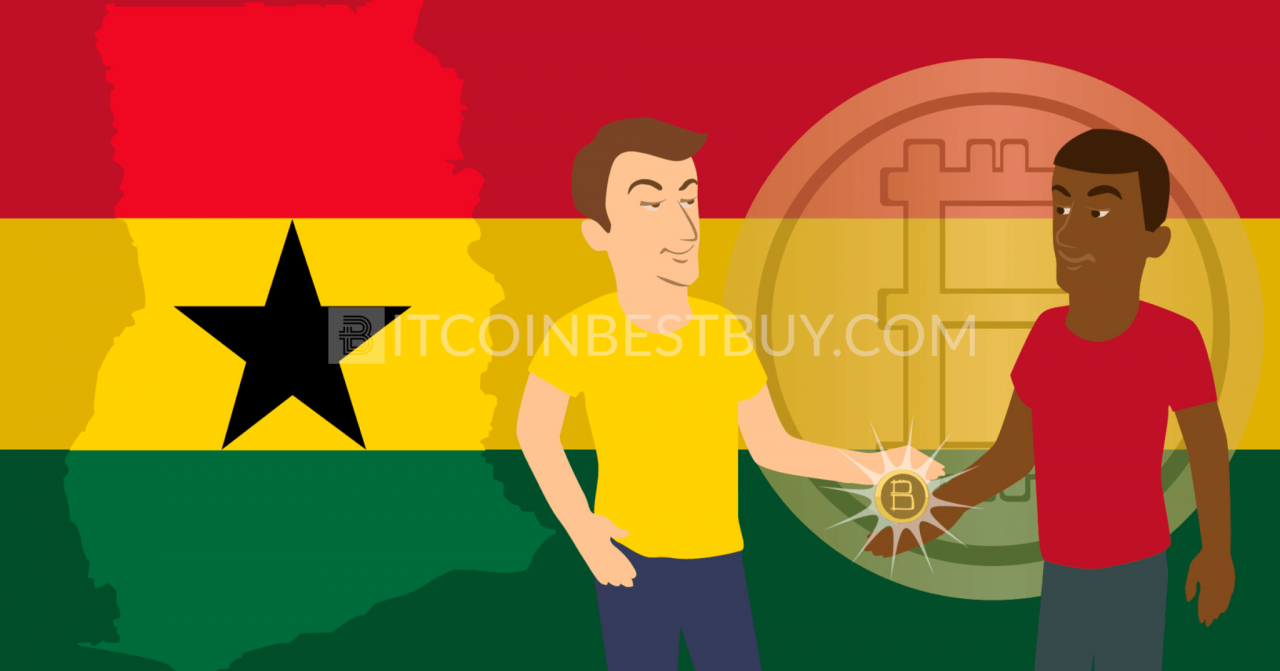
Ghana’s burgeoning interest in cryptocurrency presents exciting opportunities for those seeking to invest in Bitcoin. This guide delves into the intricacies of purchasing Bitcoin within Ghana, exploring various methods, security considerations, and the regulatory landscape. Understanding the nuances of Bitcoin acquisition is crucial for navigating this emerging financial frontier.

From peer-to-peer transactions to established exchanges, this resource examines the diverse approaches available to Ghanaian Bitcoin buyers. We will also assess the advantages and disadvantages of each method, alongside security concerns and common challenges encountered.

Introduction to Bitcoin in Ghana

Bitcoin adoption in Ghana has been steadily growing, driven by factors like a desire for alternative financial options and the perceived potential for higher returns. While the country’s regulatory landscape is still evolving, the cryptocurrency space has seen increasing participation and innovation.

Early Adoption and Current State

Ghana’s early Bitcoin adoption can be traced back to the late 2010s, coinciding with the global rise in cryptocurrency popularity. Initial interest was fueled by online communities and word-of-mouth. The current state of adoption is characterized by a notable presence of Bitcoin users, though adoption rates may vary across demographics. Many Ghanaians utilize Bitcoin for cross-border transactions, remittances, and speculative investments.

There’s a noticeable gap in formal regulatory frameworks, creating a mix of enthusiastic participants and cautious observers.

Methods to Buy Bitcoin

Several methods exist for acquiring Bitcoin in Ghana. These methods cater to different preferences and levels of technical expertise.

  • Online Exchanges: These platforms offer secure and convenient ways to buy and sell Bitcoin using local currency. They usually operate on a peer-to-peer (P2P) model or through regulated exchanges that facilitate transactions between users.
  • P2P Trading Platforms: These platforms connect buyers and sellers directly, allowing for potentially lower fees compared to traditional exchanges. This method often requires verification and careful consideration of the seller’s legitimacy.
  • Crypto ATMs: Physical ATMs that allow users to buy and sell cryptocurrencies using cash. These are becoming increasingly common in urban areas, offering a readily accessible option for those unfamiliar with online platforms.
  • Peer-to-Peer Transactions (Offline): This method involves direct negotiation between buyers and sellers. While potentially convenient for some, it carries greater risk due to the lack of intermediary safeguards and potential scams.

Popular Exchanges and Platforms

A variety of platforms facilitate Bitcoin transactions in Ghana. Their popularity is influenced by factors like user experience, fees, and security. A table outlining some popular options is provided below. Note that the availability and popularity of these platforms can fluctuate over time.

Platform Name Transaction Method Fees User Reviews
Localbitcoins P2P trading Variable, often lower than exchanges Generally mixed, some positive experiences with quick transactions, others report issues with scams.
Binance Online exchange Variable, depending on transaction volume and currency pair Widely used and trusted, but fees can be higher than P2P.
Paxful P2P trading Variable, often lower than exchanges Wide user base, but users should exercise caution as with P2P platforms.
Coinbase Online exchange Variable, depending on transaction volume and currency pair Known for security and user-friendliness. May have higher fees compared to other platforms.
Other local Ghanaian Exchanges Online exchange, varying methods Variable Generally less well-known than international platforms. Local knowledge may be helpful.

Buying Bitcoin in Ghana

Acquiring Bitcoin in Ghana, like in many other countries, involves various methods. Understanding these methods, their associated benefits and drawbacks, and the prevailing security concerns is crucial for any prospective buyer. This section delves into the common avenues for purchasing Bitcoin in Ghana, offering a comprehensive overview of the process.

Methods for Purchasing Bitcoin

Several avenues exist for acquiring Bitcoin in Ghana. These methods range from peer-to-peer transactions to specialized exchanges and mobile wallets, each with unique characteristics. Understanding these variations helps potential buyers make informed decisions.

  • Peer-to-Peer Transactions: This method facilitates direct transactions between individuals. Buyers and sellers negotiate directly, often using platforms or social media groups to connect. This approach offers potential for lower fees compared to exchanges, especially for smaller transactions. However, it exposes buyers to higher risks, as verification of seller legitimacy and transaction security is entirely in the hands of the buyer.

  • Exchanges: Specialized cryptocurrency exchanges, some based in Ghana, provide a platform for buying and selling Bitcoin. These exchanges usually have robust security measures and often offer a wider selection of cryptocurrencies. However, exchanges can impose transaction fees and might not be readily available to everyone. Security concerns remain, though, with exchanges potentially vulnerable to hacking or other security breaches.

  • Mobile Wallets: Mobile wallets offer a convenient and accessible method, particularly for those who primarily use mobile phones. They enable users to store and manage Bitcoin on their mobile devices, and some platforms may facilitate direct purchase from within the app. However, the security of mobile wallets can be a concern if not adequately protected, and the user’s phone is lost or compromised.

    Furthermore, availability and support for mobile wallets may vary based on the user’s specific mobile network and region within Ghana.

Advantages and Disadvantages of Each Method

Each method of acquiring Bitcoin in Ghana has its own set of pros and cons. A careful evaluation of these factors is essential for a successful transaction.

Method Advantages Disadvantages
Peer-to-Peer Potentially lower fees, direct interaction Higher risk of fraud, lacking buyer protection
Exchanges Wider selection, established security measures, often better support Higher fees, limited accessibility, security risks still exist
Mobile Wallets Convenience, accessibility Security vulnerabilities if not managed properly, limited features compared to exchanges

Security Concerns

Security is paramount when dealing with cryptocurrency. Every method presents potential security risks.

  • Peer-to-Peer: The lack of a centralized authority increases the risk of fraud, scams, and non-delivery. Due diligence is crucial when verifying the identity and legitimacy of the seller.
  • Exchanges: Security measures implemented by exchanges vary. Buyers should research and choose reputable exchanges with robust security protocols. While exchanges often have safeguards, they can still be susceptible to cyberattacks.
  • Mobile Wallets: Mobile wallets can be vulnerable to theft if the device is lost or compromised. Strong password protection and regular updates are crucial.

Challenges Faced by Bitcoin Buyers

Several challenges can hinder Bitcoin purchases in Ghana. These factors need to be considered before engaging in transactions.

  • Limited Awareness: A lack of awareness regarding Bitcoin’s functionality and security considerations can make buyers more susceptible to scams.
  • Infrastructure Limitations: Inadequate internet access or reliable electricity in some areas can impact the accessibility of Bitcoin purchasing platforms.
  • Regulatory Uncertainty: Varying regulations concerning cryptocurrencies can introduce ambiguity and complications in the market.

Regulations and Legal Considerations

Navigating the digital realm of cryptocurrency requires a keen understanding of the legal landscape. Ghana, like many other nations, is still developing its regulatory framework for cryptocurrencies. This necessitates careful consideration for both Bitcoin buyers and sellers. A lack of clarity can lead to potential risks and challenges.The current legal status of Bitcoin in Ghana is a blend of regulatory ambiguity and evolving policy.

This creates a dynamic environment where individuals need to be vigilant about staying informed and adhering to the rules as they are defined and clarified.

Legal Framework Surrounding Bitcoin

Ghana’s legal framework regarding cryptocurrencies is currently in a state of evolution. This lack of a dedicated, comprehensive cryptocurrency law creates a complex environment for Bitcoin users. The absence of specific regulations means the existing legal framework is often applied in a somewhat ad-hoc manner. This can lead to uncertainty and varied interpretations of the law’s application to cryptocurrencies.

Government Regulations and Policies

Ghana’s government has not issued a comprehensive legal framework for cryptocurrencies. However, various policies and statements exist, offering limited guidance. These regulations often touch upon aspects like taxation, anti-money laundering (AML), and financial crime.

Implications for Bitcoin Buyers and Sellers

The evolving nature of the regulatory environment significantly impacts both Bitcoin buyers and sellers. The lack of a clear framework means that interpretations and applications of existing laws can differ, leading to potential disputes. Bitcoin buyers need to be mindful of potential tax implications, while sellers should consider AML compliance issues. This complexity necessitates a proactive approach to legal compliance.

Potential Legal Risks

Several legal risks are associated with Bitcoin transactions in Ghana. The lack of specific cryptocurrency legislation can create gray areas, allowing for differing interpretations of existing laws. Without explicit guidelines, transactions could be subject to varying interpretations, potentially leading to legal challenges or conflicts. Furthermore, the absence of a dedicated regulatory body can hinder the resolution of disputes.

Summary of Legal Aspects

Aspect Relevant Laws/Authorities Implications
Taxation Income Tax Act Bitcoin transactions may be subject to income tax.
Anti-Money Laundering (AML) Various financial laws Compliance with AML regulations is crucial. Lack of clear guidance may increase risk.
Financial Crimes Financial Crimes Act Transactions should be conducted with due diligence. Failure to comply could lead to legal repercussions.
Contracts Contracts Act Contractual agreements related to Bitcoin transactions need careful consideration.
Jurisdiction Courts of Ghana Disputes related to Bitcoin transactions are subject to the jurisdiction of Ghanaian courts.

Buying Bitcoin in General

Acquiring Bitcoin globally involves navigating a range of options and considerations. From reputable exchanges to emerging platforms, the process of purchasing Bitcoin presents diverse avenues and varying degrees of complexity. Understanding these nuances is crucial for making informed decisions and minimizing potential risks.

Global Bitcoin Exchange Landscape

A variety of platforms facilitate Bitcoin purchases. These exchanges cater to different user needs and preferences, offering varying levels of security, features, and transaction fees. Different factors influence the choice of exchange, including the user’s location, the desired level of security, and the volume of transactions anticipated.

Factors Influencing Bitcoin Prices

Several factors contribute to the dynamic price fluctuations of Bitcoin. Market sentiment, regulatory changes, and technological advancements all play significant roles in determining the value of the cryptocurrency. News and speculation can also significantly impact the price, often creating volatility in the market. For example, a positive regulatory development in a major market could lead to a surge in demand and an increase in price.

Steps Involved in Buying Bitcoin

The process of purchasing Bitcoin typically involves creating an account, verifying identity, funding the account with fiat currency, and placing a buy order. Each exchange has specific requirements and procedures, so it’s essential to consult the platform’s guidelines for detailed instructions. This process varies across exchanges, reflecting differences in security protocols and user experience.

Comparison of Global Bitcoin Exchanges

Different exchanges offer varying services and user experiences. Comparing key features can help users select the most suitable platform.

Exchange Key Features Pros Cons
Coinbase User-friendly interface, strong security measures, wide acceptance, regulated in many jurisdictions. Ease of use, trusted brand, global reach Limited trading options, higher fees for certain transactions.
Binance Large trading volume, diverse asset selection, competitive fees, global reach High liquidity, wide range of cryptocurrencies, competitive pricing Potentially higher risk due to volume, less user-friendly interface for beginners
Kraken Advanced trading tools, excellent security, high liquidity, diverse markets. High security standards, advanced tools for experienced traders, excellent liquidity. Steeper learning curve, potentially higher fees for smaller trades.
Gemini Robust security measures, regulated in many jurisdictions, user-friendly interface, emphasis on security. Ease of use, strong regulatory compliance, excellent customer service. Limited selection of altcoins, potentially higher fees for certain transactions.

Security and Risk Management

Buying Bitcoin, like any investment, carries inherent risks. Understanding these risks and implementing robust security measures is crucial to protect your digital assets. A proactive approach to security is paramount, especially in the Ghanaian market where the cryptocurrency landscape is evolving.

Common Security Risks Associated with Bitcoin

Bitcoin transactions, while generally secure, are susceptible to various threats. Phishing scams, where malicious actors attempt to trick users into revealing their login credentials, are prevalent online. Compromised websites or email accounts can expose private keys and wallets. Malware infections on personal devices can steal sensitive information. Furthermore, inadequate security practices, such as weak passwords or lack of two-factor authentication, significantly increase the risk of unauthorized access.

Finally, the anonymity inherent in some Bitcoin transactions can make tracing illicit activities challenging.

Best Practices for Securing Bitcoin Purchases in Ghana

To mitigate risks, adopting best practices is essential. Verify the legitimacy of Bitcoin exchange platforms and services. Look for platforms with robust security measures and a strong reputation. Use strong, unique passwords for all your Bitcoin accounts. Enable two-factor authentication wherever possible, adding an extra layer of security to your logins.

Regularly update software and operating systems to patch vulnerabilities. Be cautious of suspicious emails or links. Avoid clicking on unknown links or downloading attachments from untrusted sources. Do not share your private keys or passwords with anyone.

Strategies for Protecting Bitcoin Wallets and Accounts

Protecting your Bitcoin wallets and accounts requires a multi-faceted approach. Utilize a secure, dedicated Bitcoin wallet. Consider both hot wallets (accessible online) and cold wallets (offline). Storing your private keys offline is a critical step in protecting them from online threats. Regularly monitor your accounts for suspicious activity.

Report any suspicious activity immediately to the relevant authorities. Consider using a reputable Bitcoin exchange platform with advanced security features. Implementing a comprehensive strategy involving both software and hardware security is crucial.

Mitigation of Risks During Bitcoin Transactions

During transactions, careful consideration is vital. Always verify the recipient’s address before sending Bitcoin. Use secure connections for transactions, like HTTPS. Be mindful of transaction fees and potential delays. Do not engage in transactions that seem too good to be true.

Thorough due diligence in verifying the legitimacy of any transaction is essential to avoid potential scams.

Security Measures for Bitcoin Transactions

Security Measure Description Importance
Strong Passwords Use complex, unique passwords for each account. Essential for preventing unauthorized access.
Two-Factor Authentication (2FA) Enable 2FA on all accounts. Adds an extra layer of security beyond passwords.
Cold Storage Store private keys offline in a secure device. Protects against online threats and hacks.
Regular Account Monitoring Check for suspicious activity on a regular basis. Early detection of potential threats.
Secure Software Updates Keep software and operating systems updated. Address vulnerabilities and protect against exploits.

Bitcoin Trading in Ghana

Bitcoin trading in Ghana presents a unique mix of opportunities and challenges. The burgeoning cryptocurrency market in the country offers potential for significant gains, but navigating the regulatory landscape and understanding the intricacies of trading strategies are crucial for success. Ghanaian investors must carefully weigh various factors to make informed decisions.

Potential for Bitcoin Trading in Ghana

The growing interest in Bitcoin among Ghanaian investors, coupled with the availability of diverse trading platforms, suggests substantial potential for Bitcoin trading within the country. This potential is further fueled by the increasing digitalization of the Ghanaian economy. The accessibility of internet and mobile technology has enabled a significant portion of the population to engage in online transactions, fostering a conducive environment for cryptocurrency trading.

However, awareness of the inherent risks and volatile nature of Bitcoin investments is paramount.

Bitcoin Trading Strategies

Several trading strategies are employed by Bitcoin traders in Ghana, each with its own set of risks and rewards. These include day trading, swing trading, and long-term holding. Day trading involves quick buys and sells within a single day, aiming for small but frequent profits. Swing trading focuses on capturing gains over a few days to weeks.

Long-term holding involves acquiring Bitcoin and holding it for extended periods, capitalizing on potential long-term price appreciation. Successful traders often adapt their strategies based on market conditions and personal risk tolerance.

Factors Influencing Bitcoin Trading Decisions

Several factors influence Bitcoin trading decisions in Ghana. Market volatility, regulatory frameworks, and economic conditions play significant roles. The Ghanaian cedi’s exchange rate against other major currencies, including the US dollar, can impact Bitcoin’s perceived value. Furthermore, investor sentiment and news surrounding Bitcoin and the broader cryptocurrency market can drive fluctuations in trading activity. The availability of educational resources and the level of financial literacy within the Ghanaian community also influence investor choices.

Trading Platforms Available to Ghanaian Bitcoin Traders

Various online platforms cater to Ghanaian Bitcoin traders. These platforms offer different functionalities, fees, and security measures. Choosing the right platform is crucial for successful and secure trading. Factors such as transaction fees, platform security, and customer support should be considered when making a selection.

Table of Bitcoin Trading Platforms in Ghana

Trading Platform Key Features Security Measures Fees
Binance Wide range of cryptocurrencies, advanced trading tools, competitive fees. Multi-factor authentication, cold storage, and robust security protocols. Variable, dependent on trading volume and type.
KuCoin Competitive trading fees, diverse selection of cryptocurrencies. Secure infrastructure, robust security features. Variable, dependent on trading volume and type.
Local Ghanaian Exchanges (e.g., CoinBase Ghana) Often focus on local currency trading and accessibility. Security measures may vary, potentially lower than global exchanges. Variable, often higher than international exchanges due to local currency exchange rates.
Paxful Peer-to-peer trading platform; enables direct transactions between users. Security is primarily the responsibility of individual users. Variable, often dependent on the negotiated terms.

Note: This table is illustrative and not exhaustive. Fees and features can change over time. Always research and compare before choosing a platform.

Bitcoin Use Cases in Ghana

Bitcoin’s potential in Ghana extends beyond a mere investment tool. Its decentralized nature and borderless transactions are attracting attention as a solution for various economic challenges, particularly in cross-border remittances and financial inclusion. This section explores the diverse applications of Bitcoin in Ghana, highlighting its use in payments, remittances, and investments, along with its impact on the Ghanaian economy.

Bitcoin for Payments

Bitcoin’s adoption for daily transactions in Ghana is still nascent but growing. Businesses and individuals are exploring its potential for peer-to-peer (P2P) payments. This allows for faster and potentially cheaper transactions compared to traditional methods, especially for cross-border payments.

Bitcoin for Remittances

Bitcoin’s ability to facilitate faster and cheaper cross-border remittances is a significant advantage for Ghanaians living abroad. It circumvents traditional banking systems, potentially reducing transaction fees and offering a more streamlined process. This has the potential to greatly improve financial inclusion for those reliant on remittances.

Bitcoin for Investments

Bitcoin is increasingly being recognized as an investment opportunity in Ghana. Its volatility, while a risk, also presents potential for high returns. Individuals are exploring Bitcoin as a diversifying asset, potentially seeking to hedge against inflation or currency fluctuations.

Examples of Daily Transactions

Bitcoin can be used for various daily transactions, though its widespread adoption for everyday use is still developing. For instance, a Ghanaian could use Bitcoin to purchase goods online or pay for services from vendors who accept it.

Impact on the Ghanaian Economy

Bitcoin’s potential impact on the Ghanaian economy is multifaceted. It could potentially increase financial inclusion by providing access to financial services for those excluded from traditional banking systems. It could also boost cross-border transactions and remittances, thereby contributing to the economy. However, its volatility and regulatory uncertainties need to be carefully considered.

Summary Table

Use Case Description Impact on Ghana
Payments Facilitates P2P transactions, potentially cheaper than traditional methods. Could improve efficiency of daily transactions, especially for SMEs.
Remittances Enables faster and potentially cheaper cross-border transfers for Ghanaians abroad. Significant potential to boost remittances and improve financial inclusion.
Investments Emerging as an investment opportunity, offering potential high returns but also risk. Could diversify investment portfolios and potentially hedge against inflation.

Future of Bitcoin in Ghana

Bitcoin’s presence in Ghana is rapidly evolving, mirroring global trends. The country’s burgeoning digital economy and increasing internet penetration are crucial factors driving this evolution. Understanding the potential future trajectory requires considering the interplay of technological advancements, regulatory frameworks, and the broader economic landscape.

Potential Future Regulations for Bitcoin in Ghana

Ghana’s regulatory approach to cryptocurrencies, including Bitcoin, is likely to become more defined and comprehensive in the coming years. This involves potential legislative measures that could include licensing requirements for exchanges, tax implications for Bitcoin transactions, and clearer definitions of responsible use and security measures. Such measures will be designed to balance the need to support innovation with protecting consumers and maintaining financial stability.

It’s expected that regulations will be carefully formulated to allow for the growth of the Bitcoin sector while mitigating risks. This is a common pattern in many countries as they navigate the complexities of cryptocurrency adoption.

Bitcoin’s Potential Impact on Ghana’s Financial Sector

Bitcoin’s potential to impact Ghana’s financial sector is substantial. It could potentially offer innovative financial services, particularly for underserved populations lacking traditional banking access. This includes remittances, micro-financing, and access to global financial markets. However, it’s also important to acknowledge the potential risks, including the volatility of Bitcoin’s value and the security concerns associated with digital assets.

This underscores the need for careful regulation and education to ensure that Bitcoin’s impact is positive and beneficial for the Ghanaian economy.

Trends Shaping Bitcoin Adoption in Ghana

Several factors are influencing Bitcoin adoption in Ghana. These include the growing awareness of Bitcoin’s potential among a wider population, increasing access to online payment systems, and the desire for alternative financial solutions. The increasing usage of mobile money platforms, coupled with the rising mobile phone penetration, provides fertile ground for Bitcoin adoption to flourish. These developments have been observed in various emerging markets globally.

Forecasted Future of Bitcoin Adoption in Ghana

Year Bitcoin Adoption Level (Estimated) Factors Influencing Adoption
2024 Moderate Growing awareness, limited regulatory clarity.
2025 Increasing More defined regulations, improved infrastructure, increased merchant acceptance.
2026 Significant Expansion of Bitcoin-related services, positive market sentiment, broader financial inclusion initiatives.
2027 High Stronger institutional support, wider acceptance among businesses, potential for integration with other financial systems.

This table provides a simplified forecast. The actual adoption rate will depend on various factors, including the regulatory environment, technological advancements, and market conditions.

Final Summary

How To Buy Bitcoin From Ghana - Earn Bitcoin Nicehash

In conclusion, purchasing Bitcoin in Ghana is a multifaceted process influenced by a variety of factors, including available methods, security measures, and the ever-evolving regulatory framework. This guide offers a comprehensive overview to empower potential buyers with the knowledge necessary to navigate this digital landscape safely and effectively. The future of Bitcoin in Ghana is promising, and this resource provides a foundation for understanding and participating in this exciting market.

User Queries

What are the common security risks associated with buying Bitcoin in Ghana?

Common security risks include scams, phishing attempts, and weak password practices. Protecting your Bitcoin wallet and transactions is essential.

What are the most popular exchanges for buying Bitcoin in Ghana?

Several exchanges are popular, each with varying transaction methods, fees, and user reviews. A table within the main content will list these options.

What is the legal framework surrounding Bitcoin in Ghana?

Ghana’s legal framework concerning Bitcoin is evolving. Current regulations and policies are discussed in the guide, alongside their implications for buyers and sellers.

What are the different methods available for purchasing Bitcoin in Ghana?

Methods include peer-to-peer transactions, exchanges, and mobile wallets. Each method has its advantages and disadvantages, and this is discussed in detail.