August 31, 2026

Cryptocurrency

Kicking off with bitcoin price ytd today, this year has been quite eventful for Bitcoin enthusiasts and investors alike. With numerous fluctuations and significant market movements, understanding the current price trends is crucial for those looking to navigate the volatile world of cryptocurrency.

As we delve deeper into Bitcoin’s performance year-to-date, we’ll explore historical price trends, factors that influence its value, and the overall market sentiment surrounding this leading cryptocurrency. By gaining a comprehensive view, you’ll be better equipped to make informed investment decisions.

Current Bitcoin Price Trends

The price of Bitcoin has seen significant fluctuations year-to-date (YTD), with several factors contributing to these changes. As of now, Bitcoin is trading at a level that reflects both its historical volatility and the current economic environment. In comparison to previous years, 2023 has shown a mix of recovery and uncertainty, influenced by various global events and market sentiments.

Current Bitcoin Price and Comparison to Previous Years

Currently, Bitcoin’s price has experienced a notable rise compared to its position at the beginning of the year. For context, here are some key points regarding this year’s price action in relation to past years:

  • At the start of 2023, Bitcoin was priced around $16,000, and it has since climbed to approximately $30,000 as of today.
  • In 2022, Bitcoin faced a downward trend, hitting a low of around $15,500, demonstrating the volatility inherent in cryptocurrency markets.
  • Compared to 2021, when Bitcoin reached an all-time high of nearly $65,000, the current price still reflects a significant recovery from previous lows.

Factors Influencing Bitcoin Price Fluctuations

Several key factors have played a crucial role in influencing Bitcoin’s price today:

  • Increased institutional adoption of cryptocurrencies has led to higher demand.
  • Macroeconomic conditions, including inflation rates and interest rates set by central banks, have had a direct impact on investor behavior.
  • Technological advancements in blockchain and Bitcoin scalability solutions continue to boost investor confidence.

Significance of Bitcoin Price Trends for Investors

For investors, understanding Bitcoin’s price trends is essential for making informed decisions. As price movements can signal market sentiment, investors often use these trends to strategize their entry or exit points. Bitcoin’s historical performance has shown that significant price corrections can also present buying opportunities.

Historical Context of Bitcoin Prices

To better understand the current price trends, it is vital to examine Bitcoin’s historical pricing. A timeline of key price changes reveals the dramatic shifts that have occurred over the years.

Timeline of Bitcoin Price Changes YTD

So far in 2023, Bitcoin’s price has experienced several key milestones:

  • January 2023: Bitcoin started the year at around $16,000.
  • March 2023: Prices surged past $25,000, indicating renewed investor interest.
  • May 2023: Bitcoin peaked at approximately $35,000 before facing corrections.
  • July 2023: The price stabilized around $30,000, reflecting ongoing market fluctuations.

Major Events Impacting Bitcoin Prices This Year

Several significant events have influenced Bitcoin’s price throughout the year:

  • The announcement of new regulations in various countries, both restricting and supporting cryptocurrency usage.
  • Major financial institutions announcing their entry into cryptocurrency markets.
  • Technological upgrades to the Bitcoin network, enhancing its scalability and security.

Long-term Trends Observed in Bitcoin Pricing

Over the years, Bitcoin pricing has exhibited long-term trends that reflect its evolving landscape. Historical data shows a pattern of sharp increases followed by corrections, emphasizing the asset’s inherent volatility. This volatility, however, often leads to significant long-term gains for patient investors.

Market Sentiment and Bitcoin Prices

Investor sentiment plays a crucial role in shaping Bitcoin’s price movements, particularly this year. Analyzing how sentiment has shifted provides insights into current market dynamics.

Investor Sentiment Shaping Bitcoin’s Price

Throughout 2023, investor sentiment has been markedly optimistic, driven by a combination of factors:

  • Growing acceptance of Bitcoin as a legitimate asset class.
  • Increased media coverage highlighting potential for substantial returns.
  • Social media trends that amplify market enthusiasm.

Role of Social Media in Influencing Bitcoin Price Perceptions

Social media platforms have become integral to how investors perceive Bitcoin. Platforms like Twitter and Reddit have facilitated discussions that can rapidly change market sentiment. Memes, news, and discussions often lead to speculative buying or selling, directly impacting price movements.

Key Sentiment Indicators and Correlation with Bitcoin Price Movements

A table showcasing key sentiment indicators and their correlation with Bitcoin price movements provides valuable insights:

Sentiment Indicator Current Value Correlation with Bitcoin Price
Fear and Greed Index 75 (Greed) Positive
Social Media Mentions High Positive
Investor Surveys 70% Positive Outlook Positive

Technical Analysis of Bitcoin Prices

Technical analysis remains a valuable tool for investors looking to make sense of Bitcoin’s price behavior. Various methods can help in analyzing market trends.

Methods for Conducting Technical Analysis on Bitcoin Prices

Investors typically employ several methods for technical analysis:

  • Chart patterns: Identifying trends and reversal patterns in price charts.
  • Volume analysis: Monitoring trading volumes to gauge market strength.
  • Support and resistance levels: Establishing price levels where Bitcoin tends to reverse direction.

Using Charting Tools to Visualize Bitcoin Price Movements

Charting tools such as TradingView allow investors to visualize Bitcoin’s price movements effectively. These tools offer various indicators and drawing tools to help users analyze price trends and forecast future movements.

Common Technical Indicators Applied to Bitcoin Price Analysis

Below are some common technical indicators used in Bitcoin price analysis:

  • Moving Averages (MA): Help smooth out price data to identify trends over time.
  • Relative Strength Index (RSI): Measures the speed and change of price movements to identify overbought or oversold conditions.
  • Bollinger Bands: Provide insight into price volatility and potential price breakout points.

Regulatory Impacts on Bitcoin Pricing

Recent regulatory developments have significantly impacted Bitcoin pricing YTD, creating both challenges and opportunities for investors.

Recent Regulatory Developments Affecting Bitcoin Prices

New regulations introduced throughout the year have shaped the market landscape. Key developments include:

  • The U.S. SEC’s scrutiny of cryptocurrency exchanges and their practices.
  • Countries like El Salvador adopting Bitcoin as legal tender, influencing market sentiment positively.
  • China’s ongoing crackdown on cryptocurrency mining and trading, leading to price volatility.

Influence of Different Countries’ Regulations on Global Bitcoin Pricing

The regulatory environment across different countries has created a patchwork of rules that influence global Bitcoin pricing. Countries with supportive regulations often see increased market activity, while restrictive measures can lead to downturns.

Potential Future Regulatory Changes and Impact on Bitcoin Pricing

Looking ahead, potential regulatory changes in major economies could significantly impact Bitcoin’s price. Developments such as clearer taxation guidelines or the establishment of central bank digital currencies (CBDCs) may either bolster or challenge Bitcoin’s market position.

Bitcoin Price Predictions

Current market conditions suggest a range of predictions for Bitcoin prices in the coming months, reflecting the continued uncertainty and potential for growth.

Projections for Bitcoin Prices Based on Current Market Conditions

Given the current market landscape, various analysts offer differing projections for Bitcoin’s price trajectory:

  • Some analysts predict Bitcoin could reach $40,000 by year-end, citing ongoing institutional interest.
  • Others anticipate a more conservative estimate of around $30,000, emphasizing market volatility.
  • Several bullish predictions suggest that if positive regulatory news continues, Bitcoin might soar above $50,000.

Comparison of Predictions Made by Financial Analysts

A comparison of various financial analysts’ predictions showcases the diversity of thought in the Bitcoin market.

Analyst Name Price Prediction
Analyst A $40,000
Analyst B $30,000
Analyst C $50,000

Prediction Ranges for Bitcoin Prices Over the Next Few Months

A broad range of predictions indicates the potential volatility and uncertainty in the Bitcoin market:

  • Short-term predictions suggest a range between $25,000 and $35,000.
  • Mid-term forecasts estimate prices may fluctuate between $30,000 and $45,000.
  • Long-term projections could see prices reaching up to $60,000, depending on market conditions.

Bitcoin Price Comparison with Other Cryptocurrencies

Comparing Bitcoin’s performance with other major cryptocurrencies provides further context for its market behavior YTD.

Bitcoin’s Price Trends Compared to Other Major Cryptocurrencies

Bitcoin has historically set the pace for the cryptocurrency market. Analyzing its price trends against other altcoins reveals interesting dynamics:

  • Ethereum (ETH) has shown a similar upward trend, though it has lagged behind Bitcoin in percentage gains YTD.
  • Some altcoins like Solana (SOL) have outperformed Bitcoin during specific periods, reflecting niche market interests.
  • Stablecoins have maintained their value but are not subject to the same volatility as Bitcoin and other cryptocurrencies.

Factors Contributing to Price Differences Between Bitcoin and Other Cryptocurrencies

The differences in price movements among Bitcoin and other cryptocurrencies can be attributed to several factors:

  • Market capitalizations: Bitcoin remains the dominant player, influencing overall market trends.
  • Technological advancements: Innovations in alternative cryptocurrencies can attract investment away from Bitcoin.
  • Use cases: Bitcoin is primarily seen as a store of value, while other cryptocurrencies may serve different purposes or functionalities.

Ending Remarks

In conclusion, the landscape of bitcoin price ytd today reflects a myriad of influences ranging from market sentiment to regulatory changes. As we move forward, keeping an eye on these factors will be essential for anyone engaged in the cryptocurrency market. Whether you’re a seasoned investor or a newcomer, the insights gathered here should provide a solid foundation for understanding Bitcoin’s current state and potential future movements.

Detailed FAQs

What is the current bitcoin price YTD?

The current bitcoin price YTD varies daily, so it’s best to check a reliable financial news website or cryptocurrency exchange for the most accurate figure.

What factors influence bitcoin prices?

Factors include market demand, investor sentiment, regulatory news, technological developments, and macroeconomic trends.

How can I analyze bitcoin price trends?

You can analyze trends using technical analysis tools, historical data comparisons, and monitoring market sentiment indicators.

What are the long-term trends for bitcoin prices?

Long-term trends often show an upward trajectory, but they can be punctuated by significant volatility and downturns.

How do bitcoin prices compare to other cryptocurrencies?

Bitcoin usually leads the market, but altcoins can outperform or underperform based on specific market conditions and investor interest.

Cryptocurrency coins types are becoming increasingly significant in today’s financial landscape, capturing the attention of investors, tech enthusiasts, and everyday users alike. With the rise of digital currencies, understanding the various types and their unique functionalities is essential for navigating this evolving space.

From the pioneering Bitcoin to a plethora of altcoins and tokens, the cryptocurrency ecosystem is diverse and dynamic. This exploration delves into the major categories of coins available, their purposes, and how they are shaping the future of finance.

Overview of Cryptocurrency Coins

A Complete Guide to Cryptocurrency | The Motley Fool

Cryptocurrency has reshaped the financial landscape, introducing a decentralized form of currency that operates on blockchain technology. This innovation has made transactions more secure, transparent, and efficient, leading to a shift away from traditional banking systems. Understanding cryptocurrency is essential in today’s digital economy, as it holds the potential to revolutionize how we perceive and use money.Since the launch of Bitcoin in 2009, cryptocurrency coins have evolved significantly.

Initially, Bitcoin was the sole player in the digital currency space, but as its popularity surged, thousands of alternative coins (altcoins) emerged, each with unique features and purposes. This evolution reflects a growing recognition of the various applications of blockchain technology beyond just a medium of exchange, paving the way for an expansive cryptocurrency ecosystem.The major types of cryptocurrency coins available today include Bitcoin, altcoins, and tokens, each serving distinct functions.

Bitcoin remains the most recognized and valuable cryptocurrency, while altcoins offer alternative solutions, often addressing specific market needs. Tokens, on the other hand, are typically built on existing blockchains and can represent assets or facilitate services within a certain ecosystem.

Types of Cryptocurrency Coins

Cryptocurrency coins can be broadly classified into three main categories: Bitcoin, altcoins, and tokens. Each category has its own characteristics and applications.

  • Bitcoin: The first and most widely-used cryptocurrency, known for its role as a digital store of value.
  • Altcoins: Includes all cryptocurrencies other than Bitcoin, such as Ethereum, Litecoin, and Ripple, each offering unique functionalities and innovations.
  • Tokens: These are cryptocurrencies that operate on existing blockchains, often representing assets or providing access to services.

The market also distinguishes between utility tokens and security tokens. Utility tokens provide users access to a product or service within a specific platform, while security tokens represent ownership in an asset and are subject to regulatory scrutiny. Understanding the differences between these token types is crucial for investors and users alike.Here’s a comparative table showcasing some top cryptocurrencies and their features:

Cryptocurrency Market Cap Use Case Consensus Mechanism
Bitcoin $800 Billion Digital Gold Proof of Work
Ethereum $400 Billion Smart Contracts Proof of Stake
Ripple $30 Billion Cross-Border Payments Consensus Protocol
Litecoin $12 Billion Peer-to-Peer Transactions Proof of Work

Functionality of Different Coins

Cryptocurrency and Cyber Security Analysis - Moody Insurance Worldwide

Cryptocurrency coins are designed with various functionalities that cater to different needs and industries. Each coin holds specific features that enhance its usability and application.For example:

  • Some cryptocurrencies are tailored for financial transactions, such as Bitcoin and Litecoin, which focus on facilitating peer-to-peer payments.
  • Others, like Ethereum, enable the creation of decentralized applications (DApps) through smart contracts, allowing for automated agreements without intermediaries.
  • Additionally, coins like VeChain are designed specifically for supply chain management, enhancing transparency and efficiency in logistics.

Benefits and drawbacks of using different types of coins include:

  • Benefits:
    • Enhanced security through decentralized systems.
    • Lower transaction fees compared to traditional banking.
    • Increased accessibility for unbanked populations.
  • Drawbacks:
    • Volatility in prices can lead to potential losses.
    • Lack of regulation may expose users to fraud.
    • Technical barriers for new users entering the space.

Market Trends and Adoption

The cryptocurrency market is characterized by rapid changes and emerging trends that influence the adoption of different coin types. Currently, there is a noticeable shift toward institutional investment in cryptocurrencies, with major companies and financial institutions entering the market to diversify their portfolios.The growing acceptance of cryptocurrency by businesses is evident, with companies like Tesla, Microsoft, and PayPal starting to accept digital currencies as payment for products and services.

This trend signifies a broader acceptance of cryptocurrencies as legitimate forms of payment, further integrating them into everyday transactions.Major companies that accept cryptocurrency include:

  • Microsoft – Accepts Bitcoin for Xbox games and applications.
  • PayPal – Allows users to buy, sell, and hold cryptocurrencies.
  • Tesla – Initially accepted Bitcoin for vehicle purchases.
  • AT&T – Offers customers the ability to pay their bills with cryptocurrency.

Investment Strategies for Cryptocurrency Coins

When considering investments in cryptocurrency, potential investors should navigate carefully through the diverse offerings. Here are some guidelines for selecting between different types of coins:

  • Conduct thorough research on the coin’s purpose and technology.
  • Analyze the team behind the project and their track record in the industry.
  • Assess market trends and historical performance of the coin.
  • Consider the community and ecosystem surrounding the cryptocurrency.

Investors should perform due diligence by following a step-by-step procedure that includes:

  • Identifying the coin’s white paper and understanding its objectives.
  • Evaluating market capitalization and trading volume.
  • Examining partnerships and collaborations within the industry.
  • Keeping an eye on regulatory developments affecting the coin.

Moreover, managing risks is essential in cryptocurrency trading. Techniques such as setting stop-loss orders, diversifying investments, and keeping abreast of market news can help mitigate potential losses.

Regulatory Environment for Cryptocurrency

The regulatory landscape for cryptocurrency coins varies significantly across regions. Governments are increasingly recognizing the need to establish regulations that can provide oversight while fostering innovation in the crypto space. Challenges presented by regulations include the potential for restrictive measures that may hinder growth and innovation. However, regulations can also create opportunities by establishing a framework for legitimacy, making it easier for institutional investors to engage with cryptocurrency markets.The impact of regulations on the development and adoption of new cryptocurrencies is profound, as clarity in legal frameworks can encourage more projects to launch and gain traction within the market.

Future of Cryptocurrency Coins

As the cryptocurrency landscape continues to evolve, several potential trends may shape the future of different types of coins. Innovations in blockchain technology, such as interoperability between different networks, and advancements in privacy features could significantly impact how cryptocurrencies function.Emerging technologies, including artificial intelligence and the Internet of Things (IoT), could influence the evolution of cryptocurrencies by enabling new applications and enhancing existing functionalities.

Predictions from industry experts regarding the future landscape of cryptocurrency include:

  • Increased institutional adoption as regulatory frameworks become clear.
  • Growth in the use of Central Bank Digital Currencies (CBDCs).
  • More focus on sustainable and energy-efficient blockchain solutions.
  • Integration of cryptocurrencies into everyday financial services, enhancing user experience.

Closure

In conclusion, cryptocurrency coins types present a fascinating array of options for users and investors alike. As the market continues to grow and evolve, staying informed about the different functionalities and trends can empower individuals to make educated decisions in this exciting financial frontier.

Essential FAQs

What are the main types of cryptocurrency coins?

The main types include Bitcoin, altcoins, and tokens, each serving different purposes within the cryptocurrency ecosystem.

How do utility tokens differ from security tokens?

Utility tokens provide access to a product or service, while security tokens represent ownership in an asset or company and are subject to regulatory scrutiny.

What factors should I consider when investing in cryptocurrencies?

Consider factors like market cap, use case, technology, and the overall market trends before making investment decisions.

How are cryptocurrencies regulated in different regions?

Regulation varies significantly by region, with some countries embracing cryptocurrencies and others imposing strict regulations or outright bans.

What is the future outlook for cryptocurrency coins?

The future may see increased adoption, technological advancements, and more regulatory clarity, shaping the way cryptocurrencies function and are perceived globally.

crypto companies in dallas paints a vibrant picture of a city rapidly becoming a beacon for innovation in the cryptocurrency landscape. With an impressive surge in blockchain startups and established firms, Dallas is positioning itself as a key player in the crypto industry. The combination of a supportive regulatory framework, a robust tech ecosystem, and a passionate community has fueled this growth, making it an exciting time to explore the opportunities within this dynamic sector.

From cutting-edge technologies to a flourishing network of investors and enthusiasts, Dallas is at the forefront of the cryptocurrency revolution. Notably, the city’s diverse range of services offered by local crypto companies highlights its commitment to pushing the boundaries of digital finance. As we delve deeper, we’ll uncover the notable firms making waves, the regulatory landscape shaping their operations, and the investment opportunities that await those looking to engage with the thriving Dallas crypto scene.

Overview of Crypto Companies in Dallas

Bill Filed to Protect Texas Crypto Investors | Dallas Observer

The crypto industry in Dallas has seen remarkable growth over the past few years, transforming the city into a notable hub for blockchain and cryptocurrency innovation. Factors contributing to this ascent include a robust tech ecosystem, a favorable business climate, and a strong network of venture capitalists eager to invest in digital currencies. As of 2023, there are over 100 crypto companies operating in Dallas, indicating a vibrant market poised for continuous evolution.

Notable Crypto Companies in Dallas

Dallas is home to several leading crypto companies that are making waves in the industry. Here are five of the most notable:

Company Name Services Offered Founding Year
BitPay Bitcoin payment processing, crypto wallets 2011
Blockchain.com Wallet services, cryptocurrency exchange 2011
Coinbase Cryptocurrency exchange, wallet services 2012
Voyager Digital Cryptocurrency trading platform 2018
Gemini Cryptocurrency exchange, custody services 2014

Regulatory Environment for Crypto in Dallas

The regulatory framework surrounding crypto companies in Dallas is evolving, with local legislation actively shaping the industry. Currently, Texas has established regulations that provide a relatively supportive environment for crypto operations, particularly compared to other states like California and New York, where regulations can be more stringent. The Texas Department of Banking has issued guidelines enabling crypto businesses to operate within a clear legal framework, promoting growth while also addressing consumer protection.

Investment Opportunities in Dallas Crypto Companies

Dallas presents a plethora of investment opportunities within its growing crypto sector. The area’s robust venture capital scene and the rising interest in blockchain technology make it an attractive destination for investors. Successful case studies, such as significant investments in local startups that have scaled effectively, highlight the potential of the Dallas crypto market.

  • Research the company’s market position and growth potential.
  • Evaluate the competitive landscape and differentiation strategies.
  • Consider the regulatory environment and its impact on operations.
  • Analyze financial health, including funding rounds and revenue growth.
  • Stay informed about technological advancements and trends in the crypto space.

Community and Networking Events for Crypto Enthusiasts

Fortune’s 40 Best Crypto Companies

The crypto community in Dallas is vibrant, with numerous events and meetups designed to foster networking and collaboration among enthusiasts. Upcoming events include blockchain workshops, startup pitch sessions, and cryptocurrency conferences.

  • Dallas Blockchain Meetup – A monthly gathering for blockchain enthusiasts.
  • Texas Bitcoin Conference – An annual event focusing on Bitcoin innovations.
  • CryptoDallas Conference – Features industry leaders and networking opportunities.

Getting involved in these initiatives is a great way to connect with like-minded individuals and gain insights into the latest developments in the crypto world.

Future Trends of Crypto Companies in Dallas

Emerging trends in the Dallas crypto scene suggest an exciting future ahead. Companies are increasingly adopting innovative technologies like decentralized finance (DeFi) and non-fungible tokens (NFTs), which could significantly reshape the landscape. Predictions indicate that the market will likely experience substantial growth, with a shift in consumer behavior as more individuals embrace digital currencies for everyday transactions.

Challenges Facing Crypto Companies in Dallas

Despite the promising landscape, crypto companies in Dallas face several challenges that may hinder their growth. Key issues include navigating the complex regulatory landscape, addressing cybersecurity threats, and maintaining customer trust in an often volatile market.

Challenges Potential Solutions
Regulatory Compliance Engage with local authorities to ensure adherence to regulations.
Cybersecurity Threats Implement robust cybersecurity measures and training for staff.
Market Volatility Diversify offerings and enhance customer education on crypto investments.

Last Word

In conclusion, the landscape of crypto companies in dallas presents a fascinating blend of challenges and opportunities. As the city continues to cultivate its identity as a leading crypto hub, the innovations and collaborations emerging from the local scene promise to reshape the future of finance. By staying informed about industry trends and engaging with the community, investors and enthusiasts alike can navigate this exciting frontier with confidence, ensuring they are part of the ongoing transformation within the digital currency realm.

Essential Questionnaire

What are the top crypto companies in Dallas?

Some of the leading crypto companies include BitPay, Unchained Capital, and CryptoSavant, each offering unique services in the blockchain space.

How is the regulatory environment for crypto in Dallas?

The regulatory environment in Dallas is generally supportive, with local legislation encouraging innovation while ensuring consumer protection.

What investment opportunities exist within Dallas crypto companies?

Investment opportunities range from startups to established firms, with various products and services that cater to both retail and institutional investors.

Are there networking events for crypto enthusiasts in Dallas?

Yes, Dallas hosts numerous crypto meetups and events where enthusiasts can connect, share insights, and collaborate on projects.

What challenges do crypto companies face in Dallas?

Challenges include regulatory compliance, cybersecurity threats, and the need for public education on cryptocurrency.

Bitcoin price all time brings to light the fascinating journey of one of the most revolutionary digital currencies ever created. Over the years, Bitcoin has experienced remarkable price fluctuations, driven by a unique blend of technological advances, regulatory changes, and market psychology. This discussion seeks to explore the historical trends, comparisons, and the various factors influencing Bitcoin’s price trajectory, providing both a retrospective and a forward-looking view of this cryptocurrency.

From its humble beginnings to its status as a financial phenomenon, understanding the forces that have shaped Bitcoin’s price over time is crucial for investors and enthusiasts alike. We will delve into significant milestones, compare price movements across eras, and examine the prevailing market dynamics that contribute to its volatility and ongoing evolution.

Historical Trends of Bitcoin Price

Bitcoin, introduced in 2009 by an anonymous entity known as Satoshi Nakamoto, has experienced a tumultuous price journey marked by extreme volatility and significant milestones. Over the years, the price of Bitcoin has witnessed substantial spikes and drops, influenced by various technological, regulatory, and socio-economic factors. Understanding these historical trends is crucial for appreciating Bitcoin’s evolution as both a digital asset and a financial phenomenon.Several key milestones have defined Bitcoin’s price trajectory.

Significant events not just impacted the market but also shaped public perception and adoption of cryptocurrencies.

Major Price Milestones

The price of Bitcoin has undergone notable fluctuations since its inception. Each major movement can be attributed to specific events or trends. Here are some pivotal moments that stand out:

  • 2013 Price Surge: Bitcoin reached $1,000 for the first time, fueled by increased media attention, growing public interest, and the launch of regulated exchanges like Mt. Gox.
  • 2014 Mt. Gox Collapse: The collapse of the leading Bitcoin exchange at the time, Mt. Gox, which filed for bankruptcy following a massive hack, caused Bitcoin’s price to plummet to around $400.
  • 2017 Bull Run: Bitcoin’s price soared to nearly $20,000 in December 2017, driven by retail investor enthusiasm, increased institutional interest, and the launch of Bitcoin futures trading on major exchanges.
  • 2020 Pandemic Influence: The onset of the COVID-19 pandemic initially led to a sharp decline in Bitcoin’s price, dropping below $5,000 in March 2020. However, it quickly recovered, reaching new all-time highs in late 2020 as investors sought safe-haven assets.
  • 2021 Market Expansion: Bitcoin hit an all-time high of approximately $64,000 in April 2021, propelled by institutional adoption, corporate purchases by companies like Tesla, and growing acceptance from financial institutions.

Factors Contributing to Price Movements

Various factors have significantly influenced Bitcoin’s price fluctuations throughout its history. Understanding these elements offers insight into Bitcoin’s market behavior.

  • Market Sentiment: Positive or negative news can have immediate effects on Bitcoin’s price. For instance, regulatory announcements often lead to price volatility.
  • Technological Developments: Upgrades to the Bitcoin network, such as the implementation of the Lightning Network, can enhance scalability and security, reflecting positively on price.
  • Global Economic Conditions: Economic instability, inflation concerns, and currency devaluation have driven investors towards Bitcoin as a store of value.
  • Media Coverage: Increased media attention, whether positive or negative, has historically influenced public perception and investor behavior.

Key Events Influencing Price Trajectory

Several key events have left an indelible mark on Bitcoin’s price history, shaping its market dynamics.

  • Regulatory Announcements: News regarding regulations in major markets, such as China banning cryptocurrency transactions or the SEC’s stance on Bitcoin ETFs, has led to immediate and often drastic price reactions.
  • Adoption by Major Corporations: High-profile endorsements by companies like PayPal and Square, offering cryptocurrency services, have bolstered confidence and increased demand.
  • Hacks and Scandals: Security breaches at exchanges and wallet services have instilled fear in investors, leading to sharp price declines.
  • Blockchain Forks: Events like the Bitcoin Cash fork in 2017 created confusion and volatility, impacting Bitcoin’s market stability.

Price Comparison Over Time

Bitcoin’s price has experienced significant fluctuations since its inception in 2009. Understanding its price dynamics over time is crucial for investors, traders, and analysts alike. By examining historical price points, we can identify patterns that reflect broader market trends and investor sentiment.The following table illustrates Bitcoin prices at various historical milestones, emphasizing key periods categorized as bull and bear markets.

This data provides insight into the volatile nature of cryptocurrency and aids in understanding the percentage changes in price over specified intervals.

Bitcoin Price Table

Here is a detailed comparison of Bitcoin prices at different points in time, including percentage changes across bull and bear markets:

Year Price (USD) Market Phase Percentage Change
2010 $0.08 Early Growth
2013 $1,150 Bull Market 1,437.5%
2014 $530 Bear Market -53.91%
2017 $19,783 Bull Market 3,630.75%
2018 $3,194 Bear Market -83.90%
2020 $29,000 Bull Market 809.41%
2021 $64,400 Bull Market 121.55%
2022 $16,000 Bear Market -75.13%
2023 $26,000 Recovery Phase 62.50%

“Understanding Bitcoin’s price history allows for better-informed investment decisions.”

The percentage changes reflect the extreme volatility that characterizes the cryptocurrency market. Notably, Bitcoin’s journey from negligible value in its early days to a peak near $65,000 highlights both the potential for substantial gains and the risks of sharp declines. Each market phase—whether bull or bear—provides valuable lessons for current and future investors in tracking trends and making informed decisions.

Influencing Factors on Bitcoin Price

The price of Bitcoin is not determined solely by supply and demand dynamics within the cryptocurrency market. Various external factors also play a significant role in shaping its valuation. Understanding these influencing factors can provide insights into price movements and help investors make informed decisions. Global economic events, regulatory news, and technological advancements are three major elements that can significantly impact Bitcoin prices.

Impact of Global Economic Events on Bitcoin Prices

Global economic events can create ripples in financial markets, including the cryptocurrency sector. Economic indicators such as inflation rates, interest rates, and geopolitical crises often lead to price fluctuations in Bitcoin. For instance, during times of economic uncertainty, investors might flock to alternative assets like Bitcoin as a hedge against traditional market volatility.

  • Inflation Concerns: When inflation rises, traditional currencies may lose value, prompting investors to seek refuge in Bitcoin, which is often viewed as a store of value.
  • Geopolitical Tensions: Events such as wars or trade disputes can lead to market instability, boosting Bitcoin’s appeal as a decentralized asset that operates independently of national borders.
  • Macroeconomic Policies: Central banks’ decisions, such as quantitative easing or changes in interest rates, can impact investor sentiment and, consequently, Bitcoin prices.

Regulatory News Affecting Bitcoin Valuation

Regulatory developments can have profound effects on Bitcoin’s market valuation. Decisions made by governments and financial authorities can either bolster or hinder the growth of cryptocurrencies.

  • Legislation Changes: Positive regulatory news, such as the approval of Bitcoin ETFs, can lead to price surges as institutional investors seek to enter the market.
  • Crackdowns: Conversely, announcements of stricter regulations, such as bans on cryptocurrency trading in certain regions, can lead to panic selling and price drops.
  • Taxation Policies: Clarity on taxation for Bitcoin transactions can influence investor behavior, as favorable tax conditions may encourage more trading and investment.

Role of Technological Advancements in Bitcoin Pricing

Technological innovations within the cryptocurrency landscape play a critical role in influencing Bitcoin’s price. Improvements in blockchain technology, security measures, and scalability can enhance user experience and trust in Bitcoin, thereby affecting its value.

  • Scalability Solutions: Developments like the Lightning Network, which enhances transaction speeds and reduces costs, can lead to increased adoption and higher prices.
  • Security Enhancements: Upgrades to Bitcoin’s underlying technology that improve transaction security can boost investor confidence, contributing to price increases.
  • Interoperability: Efforts to enable Bitcoin to interact with other blockchain networks can expand its usability and adoption, impacting its market value positively.

“Technological progress in the cryptocurrency space often correlates with a rise in Bitcoin’s price, as it enhances its functionality and acceptance across various sectors.”

Predictions for Future Bitcoin Prices

The future of Bitcoin prices continues to be a hot topic among investors, analysts, and enthusiasts. Given Bitcoin’s historical volatility and evolving market dynamics, various methodologies are employed to forecast its price trajectory. Understanding these methods and scenarios can provide valuable insights for potential investors and stakeholders in the cryptocurrency landscape.Different methodologies for predicting Bitcoin prices can be categorized into fundamental analysis, technical analysis, and sentiment analysis.

Fundamental analysis examines external factors affecting Bitcoin, such as regulatory changes, adoption rates, and technological advancements. Technical analysis, on the other hand, focuses on historical price charts and patterns to identify potential price movements. Sentiment analysis gauges market sentiment through social media trends, news coverage, and investor behavior, which can significantly influence price directions.

Forecast Models and Their Outcomes

A variety of forecast models exist that attempt to predict Bitcoin’s future price based on historical data and market trends. Below is a table summarizing several prominent models along with their predicted outcomes:

Forecast Model Description Predicted Price (2025) Confidence Level
Stock-to-Flow (S2F) Based on Bitcoin’s scarcity and halving events. $100,000 High
ARIMA Model Statistical model analyzing historical price trends. $60,000 Medium
Technical Analysis Utilizes chart patterns and trading volumes. $80,000 Medium-High
Market Sentiment Analysis Based on social media trends and news sentiment. $70,000 Moderate
Expert Predictions Consensus from industry experts and analysts. $90,000 High

Bitcoin’s price predictions can vary widely based on the methodology used and the assumptions made about future developments. For instance, the Stock-to-Flow model has gained attention for its emphasis on Bitcoin’s halving schedule, which historically correlates with price surges. In contrast, technical analysis often relies heavily on short-term market movements and may not account for broader economic factors.As various models provide insights into potential future prices, it’s crucial to remain aware of the inherent risks and uncertainties tied to cryptocurrency investments.

Continuous monitoring of market trends, regulatory news, and technological advancements will play a significant role in shaping Bitcoin’s price trajectory in the coming years.

Investor Behavior and Bitcoin Price

In the world of Bitcoin, investor behavior plays a pivotal role in shaping market dynamics. Psychological factors such as fear and greed are often at the forefront of decision-making processes, influencing when investors buy or sell. Understanding these emotional drivers can provide insights into potential price movements and market trends in the world of cryptocurrencies.Investor sentiment in Bitcoin markets is largely driven by psychological factors, including herd behavior, market speculation, and emotional responses to price fluctuations.

When prices surge, greed can lead to increased buying activity, often pushing prices even higher. Conversely, in times of market downturns, fear can trigger panic selling, resulting in rapid price drops. Recognizing these patterns helps in understanding the volatility inherent in Bitcoin trading.

Fear and Greed Impact on Bitcoin Prices

Historical examples illustrate how fear and greed have significantly influenced Bitcoin’s price trajectory. The notorious Bitcoin bull run of late 2017, driven by rampant speculation and a fear of missing out (FOMO), saw the price skyrocket to nearly $20,000. This exuberance was largely fueled by media coverage and social media buzz, creating a self-reinforcing cycle of buying. On the flip side, during the bear market of 2018, fear dominated investor behavior.

As Bitcoin’s price plummeted, many investors sold off their holdings in a panic, causing further declines. This cyclical nature of fear and greed highlights the emotional factors that drive investor actions and their subsequent impact on price movements.

Patterns in Investor Behavior During Market Volatility

Market volatility reveals distinct patterns in investor behavior. During periods of rapid price changes, investors often exhibit a tendency to react impulsively. Understanding these behavioral patterns can provide a clearer picture of market dynamics. The following points summarize common behaviors observed during market volatility:

  • FOMO (Fear of Missing Out): Investors rush to buy when prices rise, fearing they will miss out on potential profits.
  • Panic Selling: In response to sharp price drops, many investors sell their assets quickly to avoid further losses, contributing to downward pressure.
  • Herd Behavior: Investors tend to follow the actions of others, whether buying or selling, often leading to exaggerated market movements.
  • Emotional Resilience: Some investors, particularly those with experience, maintain a level-headed approach during volatility, using dips as buying opportunities.

Understanding these behavioral patterns can better equip investors to navigate the tumultuous waters of Bitcoin trading. Recognizing the psychological triggers behind their decisions can lead to more informed trading strategies and a clearer perspective on potential market movements.

Market Dynamics and Bitcoin Price Volatility

Bitcoin price hits K for the first time in nearly 2 years

Bitcoin is known for its dramatic price swings, often leaving investors both excited and apprehensive. Unlike more stable traditional assets, Bitcoin’s price is highly susceptible to market dynamics, which contribute to its reputation for volatility. Understanding these dynamics is essential for anyone looking to navigate the cryptocurrency market effectively.Volatility in cryptocurrency markets, particularly for Bitcoin, refers to the extent to which the price fluctuates over a certain period.

This can manifest as sharp increases or decreases in price, often influenced by a variety of market conditions. The concept of volatility is crucial because it directly impacts investor sentiment, market liquidity, and trading strategies. A highly volatile asset can offer substantial profit opportunities but also comes with increased risk.

Volatility Metrics Comparison

To illustrate the degree of volatility in Bitcoin compared to traditional assets, the following table summarizes the average annual volatility metrics of Bitcoin alongside those of well-known traditional assets:

Asset Class Average Annual Volatility (%)
Bitcoin 70%
Gold 15%
Equities (S&P 500) 18%
Bonds (US Treasuries) 5%

This comparison highlights Bitcoin’s significantly higher volatility than traditional investment vehicles, which often leads to its appeal as a high-risk, high-reward asset.Several factors contribute to Bitcoin’s high volatility. Recognizing these elements is crucial for understanding market movements and making informed investment decisions. Below are the key factors that play a role in Bitcoin’s price fluctuations:

  • Market Sentiment: News events, regulatory announcements, and social media trends can rapidly influence public perception and, subsequently, the price.
  • Liquidity: Bitcoin’s liquidity varies, especially during market hours or significant events, leading to greater price swings.
  • Speculation: A significant percentage of trading in Bitcoin is driven by speculative trading, causing rapid price changes based on investor psychology.
  • Market Manipulation: Practices such as “whale” trading, where large holders sell large volumes of Bitcoin, can create sudden price drops.
  • Technological Developments: Changes in Bitcoin’s underlying technology or advancements in blockchain can impact the perceived value and, thus, the price.
  • Macroeconomic Factors: Global economic conditions, including inflation rates and currency devaluations, can affect investors’ appetite for Bitcoin.

Crypto Market Correlations

The cryptocurrency market is an intricate web of relationships between various digital assets and traditional financial markets. Understanding how Bitcoin, the leading cryptocurrency, correlates with other cryptocurrencies and economic indicators can provide valuable insights for investors. This analysis explores the connections and correlations that exist, shaping the landscape of digital currencies against the backdrop of traditional financial systems.The correlation between Bitcoin prices and other cryptocurrencies is a critical aspect of market behavior.

Generally, Bitcoin serves as a bellwether for the cryptocurrency space, influencing the price movements of altcoins. When Bitcoin experiences significant price changes, it often leads to corresponding shifts in the prices of other cryptocurrencies. Additionally, the crypto market can be significantly influenced by external economic factors such as interest rates, inflation, and even geopolitical events.

Bitcoin and Other Cryptocurrencies

The relationship between Bitcoin and altcoins is essential for understanding market dynamics. A few key points illustrate this correlation:

Market Leadership

Bitcoin often dictates the market trends, with altcoins typically following its lead. For instance, during a Bitcoin rally, many altcoins experience increased buying interest, leading to price surges.

Correlation Factors

The correlation between Bitcoin and altcoins can vary. For example, during market corrections, altcoins may see sharper declines compared to Bitcoin, highlighting their relative volatility.

Ethereum’s Influence

Ethereum, being the second-largest cryptocurrency by market cap, often shows a strong correlation with Bitcoin. Their price movements sometimes align closely, especially during major market events.To visualize this correlation, you can create a chart plotting Bitcoin alongside other major cryptocurrencies, such as Ethereum and Ripple, over a specific time frame. The chart could depict the percentage price changes of each asset, highlighting the instances when their movements align or diverge.

Bitcoin and Traditional Financial Markets

The relationship between Bitcoin and traditional financial markets, such as the stock market, adds another layer of complexity. Understanding these correlations can aid investors in making informed decisions. Here are some vital aspects to consider:

Stock Market Trends

Bitcoin has shown correlations with major stock indices like the S&P 500. During periods of economic uncertainty, Bitcoin often behaves similarly to stocks, either rising or falling in tandem with market sentiment.

Economic Indicators

Interest rates and inflation rates are economic indicators that can significantly impact Bitcoin’s price. For example, high inflation often drives investors toward Bitcoin as a hedge, increasing its demand and price.

Investor Sentiment

The behavior of traditional investors can influence Bitcoin’s price movements. When stock markets are bullish, investors might diversify into cryptocurrencies, leading to increased Bitcoin prices.To depict these correlations, a chart could illustrate the price movements of Bitcoin alongside key stock indices, showing how closely they align or diverge during different economic periods. This comparison could help investors assess market sentiment and determine potential trends.

“The correlation between Bitcoin and traditional financial markets illustrates the interconnectedness of assets in a global economy, affecting investor behavior and market dynamics.”

Long-term Bitcoin Price Trends

Since its launch in 2009, Bitcoin has witnessed significant price fluctuations, reflecting both its nascent stage and the evolving cryptocurrency landscape. The journey of Bitcoin’s price has been marked by dramatic surges and steep declines, but over the long term, a clear upward trajectory has emerged. This trend signifies the growing acceptance and integration of Bitcoin as a legitimate asset class, influenced by various factors such as market sentiment, regulatory developments, and technological advancements.One of the most noteworthy long-term trends in Bitcoin pricing is its tendency to experience bullish cycles followed by corrections.

These cycles often correlate with halving events, which occur approximately every four years and reduce the reward for mining new blocks by half. Historical data shows that after each halving, Bitcoin’s price has typically rallied to new all-time highs, showcasing the impact of supply constraints on price dynamics.

Influence of Adoption Rates on Bitcoin Price Stability

As Bitcoin continues to gain traction, the rate of adoption among individuals, businesses, and institutional investors plays a crucial role in determining its price stability. Increased adoption tends to stabilize prices by enhancing liquidity and reducing volatility. When more participants enter the market, the effects of speculative trading diminish, resulting in a more resilient price structure.Several factors contribute to the influence of adoption rates on Bitcoin price stability:

  • Increased Utility: As more merchants accept Bitcoin as a payment method, its utility grows, driving demand and contributing to a more stable price.
  • Institutional Investment: The entry of institutional investors has provided a significant boost to Bitcoin’s market legitimacy, leading to a more structured and stable investment environment.
  • Diverse Use Cases: The development of various applications, such as decentralized finance (DeFi) and non-fungible tokens (NFTs), has expanded Bitcoin’s role in the broader financial ecosystem, further stabilizing its price.
  • Public Awareness and Education: As public awareness regarding cryptocurrencies increases, informed investors are more likely to engage with Bitcoin, leading to more sustainable price movements.

The relationship between adoption rates and price stability underscores the importance of ongoing education and accessibility in the crypto space. As the user base expands, Bitcoin’s foundation grows stronger, setting the stage for future price appreciation.

Strategic Approaches for Long-term Investment

Investing in Bitcoin requires a strategic approach, particularly for those looking at long-term gains. Historical trends indicate that patience and a well-thought-out investment strategy can yield substantial returns. Here are some strategic approaches that have proven effective:

  • Dollar-Cost Averaging (DCA): This strategy involves consistently investing a fixed amount of money into Bitcoin over a set period, regardless of its price. DCA reduces the impact of volatility and allows investors to accumulate Bitcoin more effectively.
  • HODLing: Short for “Hold On for Dear Life,” this strategy is rooted in the belief that Bitcoin will appreciate significantly over the long term. Investors who adopt this approach purchase Bitcoin and hold it without selling during market downturns.
  • Diversification: Combining Bitcoin investments with other asset classes can mitigate risks associated with crypto volatility. A diversified portfolio may include stocks, bonds, and real estate alongside Bitcoin.
  • Regularly Review and Rebalance: Monitoring market trends and periodically rebalancing the investment portfolio ensures alignment with investment goals and risk tolerance.

These strategies highlight the importance of a disciplined investment approach and an understanding of market dynamics. By leveraging historical trends and maintaining a long-term perspective, investors can navigate the complexities of Bitcoin trading and potentially capitalize on its growth trajectory.

Summary

In conclusion, exploring Bitcoin price all time underscores not just the currency’s dramatic highs and lows but also reflects broader economic trends and investor sentiment. As we look ahead, the insights gained from past performance and market behavior will be invaluable for those navigating the ever-changing landscape of cryptocurrency investments. Whether you are a seasoned investor or a curious newcomer, understanding these trends can help inform your decisions in this volatile market.

Question Bank

What is the highest price Bitcoin has ever reached?

The highest recorded price of Bitcoin was around $69,000 in November 2021.

How does Bitcoin’s price compare to traditional assets?

Bitcoin has shown higher volatility compared to traditional assets like stocks and bonds, often leading to significant price swings.

What events typically cause Bitcoin price spikes?

Price spikes can be triggered by major news events, regulatory announcements, or institutional investments.

How often does the price of Bitcoin change?

Bitcoin’s price can fluctuate significantly within minutes due to its volatile nature and market dynamics.

What role do supply and demand play in Bitcoin pricing?

Supply and demand heavily influence Bitcoin’s price, with limited supply and increasing demand often leading to price increases.
With the bitcoin bubble capturing global attention, many are intrigued by the volatile nature of this digital currency. Investors and enthusiasts alike are drawn to the potential for significant gains, yet the lurking risks prompt a deeper examination of what defines a bubble in financial markets.

This exploration will delve into the characteristics of economic bubbles, the historical context of Bitcoin’s market behavior, and the psychological factors that can drive its price to astonishing heights or alarming lows. By understanding these elements, readers can better navigate the complex landscape of cryptocurrency investments.

Understanding the Concept of a Bubble

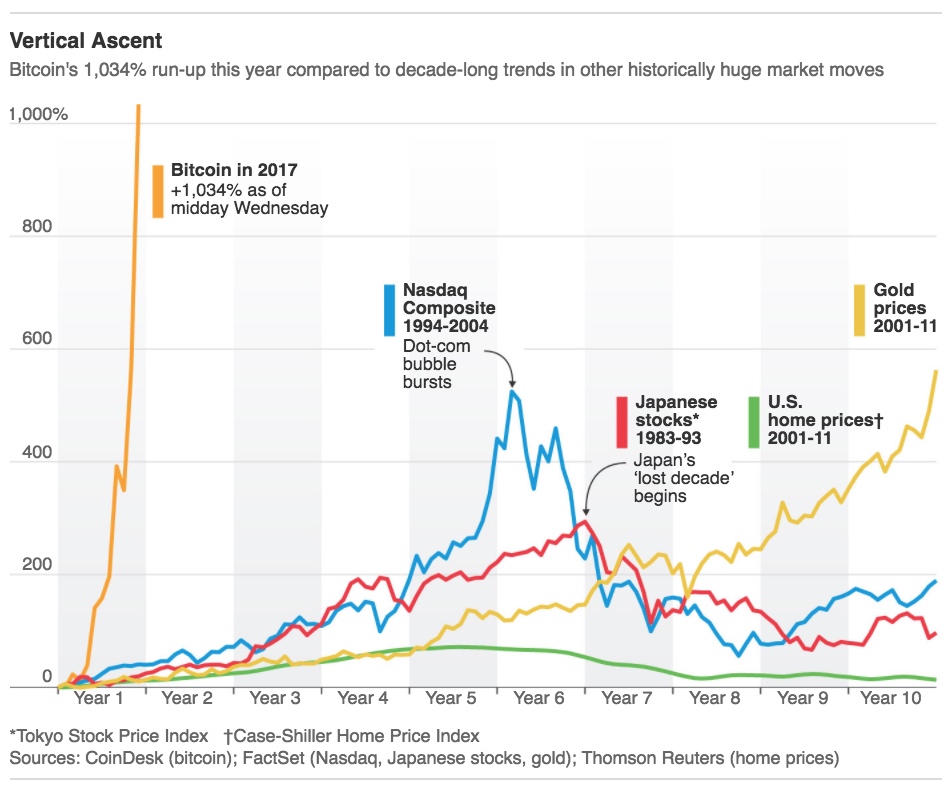
The concept of a financial bubble is fundamental to understanding the dynamics of markets and the behavior of investors. A bubble occurs when the price of an asset rises to levels that are not justifiable by its intrinsic value, leading to unsustainable price increases followed by abrupt crashes. This phenomenon is often characterized by heightened speculation, excessive risk-taking, and a detachment from fundamental economic indicators.The economic definition of a bubble revolves around a sharp increase in asset prices that is followed by a significant decline.

Key characteristics of a bubble include rapid price escalation, widespread public interest, and a shift in the underlying fundamentals that once justified the asset’s price. Bubbles are often fueled by investor psychology; when individuals believe that prices will continue to rise indefinitely, they may overlook the underlying value of the asset, leading to irrational decision-making.

Historical Examples of Financial Bubbles

Examining historical financial bubbles provides context for understanding the current state of markets, including Bitcoin. Notable examples include:

  • The Tulip Mania (1630s): Often cited as the first recorded speculative bubble, tulip prices in the Netherlands skyrocketed to extraordinary levels before collapsing dramatically.
  • The South Sea Bubble (1720): This bubble involved a British company, whose stock prices soared due to speculative investments, only to crash and cause substantial financial ruin.
  • The Dot-com Bubble (late 1990s): Characterized by excessive investment in internet-based companies, this bubble saw stock prices soar, only to plummet when market realities set in.
  • The US Housing Bubble (mid-2000s): A result of speculative real estate investments and subprime mortgages, this bubble led to the financial crisis of 2007-2008.

These examples illustrate how bubbles can emerge in different contexts, often driven by a mix of speculation and psychological factors.

Psychological Factors Contributing to Bubble Formation

Several psychological factors play a crucial role in the formation of financial bubbles. Understanding these can shed light on investor behavior during such periods.

  • Herd Behavior: Investors often mimic the actions of others, leading to a self-reinforcing cycle where buying begets buying, regardless of valuations.
  • Overconfidence: Investors may overestimate their knowledge and ability to predict market movements, leading to risky investment choices.
  • Fear of Missing Out (FOMO): The anxiety of not participating in a surge can compel investors to buy at inflated prices, further inflating the bubble.
  • Confirmation Bias: Investors tend to seek information that supports their existing beliefs while disregarding contrary evidence, leading to misjudgment of risk.

These psychological factors can create a fertile ground for bubbles to develop, as they encourage irrational exuberance and disregard for underlying economic fundamentals.

Overview of Bitcoin’s Market Behavior

Bitcoin’s market behavior has fascinated investors and analysts alike since its inception. Its price history showcases a rollercoaster of rapid increases and dramatic declines, reflecting the cryptocurrency’s volatile nature. Understanding these movements offers insights not just into Bitcoin, but also into the broader cryptocurrency market and its implications for investors.Bitcoin’s price history is marked by significant milestones and stark fluctuations.

Launched in 2009, Bitcoin began trading at virtually zero value. However, it surged to its first major peak in late 2013, reaching over $1,100 before crashing to around $200 in early 2015. The next significant rise occurred in 2017, when Bitcoin reached an all-time high of nearly $20,000 in December, only to drop sharply to around $3,200 by early 2018.

Since then, Bitcoin has experienced several significant price movements, including a resurgence in late 2020, where it surpassed its previous highs, hitting over $60,000 in April 2021 before entering another volatile phase.

Fluctuations During Peak Periods

The fluctuations in Bitcoin’s value during its peak periods illustrate both its potential for high returns and the risks involved. During these times, Bitcoin often experiences extreme price swings, driven by various factors, including market speculation, regulatory news, and macroeconomic trends. Key periods of fluctuation include:

  • December 2017: Bitcoin’s price soared to nearly $20,000 before undergoing a rapid decline. This period was characterized by massive media coverage and speculation, leading to an influx of new investors.
  • April 2021: The cryptocurrency reached above $60,000, fueled by institutional investments and growing acceptance among businesses. However, it quickly fell back to around $30,000 by the summer of the same year, showcasing its tendency for sharp corrections.
  • Late 2021 to Early 2022: Bitcoin faced significant volatility as it fluctuated between $50,000 and $70,000, responding to changes in regulatory outlooks and macroeconomic factors such as inflation concerns.

The dramatic rise and fall of Bitcoin’s price during these peak periods highlight the inherent unpredictability of the cryptocurrency market and underscore the need for cautious investment strategies.

Comparison with Traditional Asset Classes

Bitcoin’s volatility sets it apart from traditional asset classes like stocks and bonds. While stocks can also experience substantial price movements, Bitcoin’s price changes are typically much more pronounced. The volatility of Bitcoin can be compared through the following aspects:

  • Price Movement: Bitcoin’s daily price fluctuations can exceed 10%, while typical stock markets might experience shifts of 1-2% on average. This difference reflects Bitcoin’s nascent stage and speculative nature.
  • Market Capitalization: As of late 2021, Bitcoin’s market capitalization was over $1 trillion, positioning it as a major asset class, yet still susceptible to larger percentage swings compared to established assets like gold, which often serves as a safe haven during market turbulence.
  • Liquidity: Bitcoin’s liquidity can vary, especially during market downturns. Unlike traditional stocks, where investors can generally execute trades with relative ease, the cryptocurrency market may experience slippage and increased spreads during volatile periods.

These characteristics illustrate how Bitcoin, while offering potential for high returns, comes with a level of risk that is markedly different from traditional forms of investment.

Indicators of a Bubble in Bitcoin

The notion of a bubble in Bitcoin is often signaled by specific financial metrics and market behaviors. Recognizing these indicators can help investors make informed decisions and avoid potential pitfalls. Understanding these signs can provide clarity on the dynamic nature of Bitcoin’s market cycles.

Key Metrics Signaling Bubble Conditions

Several metrics are essential in identifying potential bubble conditions in Bitcoin. Tracking these can give investors insights into the sustainability of price increases. Key indicators include:

  • Price-to-Earnings (P/E) Ratio: Though traditionally used for stocks, a modified version can be applied to cryptocurrencies. A significantly high P/E ratio may indicate that Bitcoin is overvalued relative to its earnings potential.
  • Market Capitalization: A rapid increase in market capitalization without corresponding increases in actual usage or adoption can suggest speculative behavior.
  • Trading Volume: An unusually high trading volume can signify that many traders are entering the market, which may inflate prices artificially.
  • Volatility Index: A surge in volatility often coincides with speculative trading, which can lead to unsustainable price movements.

Influence of Speculative Trading on Bitcoin’s Price

Speculative trading plays a significant role in driving Bitcoin’s price fluctuations. Investors often engage in buying and selling based on market sentiment rather than underlying value. This can lead to substantial price swings, as traders react to trends and news rather than fundamental factors. For instance, during the late 2017 rally, Bitcoin experienced extreme volatility, where prices surged to nearly $20,000 largely driven by speculative trading rather than increased adoption or technological advancements.

Role of Media Hype and Social Sentiment in Creating a Bubble

Media coverage and social sentiment are powerful forces in shaping perceptions of Bitcoin, often fueling the hype necessary for a bubble to form. Positive media portrayals can lead to increased interest from both retail and institutional investors, pushing prices higher. Conversely, negative coverage can trigger panic selling. The impact of social media cannot be underestimated; platforms like Twitter and Reddit have been instrumental in amplifying news about Bitcoin, creating a rapid feedback loop.

This phenomenon was particularly evident during the 2021 bull run when online discussions drove a surge in retail investment.

The correlation between social sentiment and Bitcoin pricing can be profound, often leading to bubbles characterized by irrational exuberance.

Understanding these indicators of a bubble in Bitcoin can help navigate the volatile landscape of cryptocurrency investing. Investors should remain vigilant and consider these factors before making investment decisions.

Economic Implications of a Bitcoin Bubble

The phenomenon of a Bitcoin bubble extends its influence beyond the cryptocurrency market, potentially impacting the broader economy in various ways. As speculative investment drives prices to unsustainable levels, the aftermath of a bubble can result in significant economic consequences, not only for investors but also for businesses, financial institutions, and the economy at large.The bursting of a Bitcoin bubble may lead to instability in financial markets.

A sharp decline in Bitcoin prices can trigger widespread panic among investors, resulting in a sell-off that affects not just cryptocurrencies but also traditional assets. The interconnectivity of modern financial systems means that losses in one sector can ripple through to others, exacerbating economic downturns.

Consequences of a Burst Bubble in Cryptocurrency Markets

When a bubble bursts, several scenarios can unfold that reflect the gravity of the situation. Understanding these outcomes is essential for assessing the broader economic implications.

  • Investor Losses: Retail and institutional investors alike may face significant financial losses, leading to reduced consumer spending and confidence in the economy.
  • Impact on Financial Institutions: Banks and investment firms heavily exposed to cryptocurrencies could suffer extensive losses, potentially leading to liquidity crises or even bankruptcies.
  • Market Volatility: The aftermath of a burst bubble typically results in increased volatility across financial markets as investors reevaluate their risk exposures and strategies.
  • Purge of Inefficient Enterprises: Companies that capitalized on the Bitcoin hype, perhaps through Initial Coin Offerings (ICOs) or associated services, may face closure or significant downsizing, leading to job losses.

Regulatory Responses to Perceived Bitcoin Bubbles

Regulatory responses play a crucial role in shaping the landscape of the cryptocurrency market, especially during periods when a bubble is perceived to be forming. Governments and financial authorities may implement various measures aimed at mitigating the risks associated with speculative trading.In response to the volatility of Bitcoin, regulators might consider:

  • Increased Scrutiny: Authorities may increase oversight of cryptocurrency exchanges to ensure compliance with financial regulations, aiming to protect consumers from potential fraud.
  • Taxation and Reporting Requirements: Implementing stricter tax regulations on cryptocurrency transactions could deter speculative investments by increasing the cost of trading.
  • Market Intervention: In extreme cases, governments may intervene directly to stabilize the market, such as by imposing temporary trading halts or implementing measures to limit price manipulation.
  • Public Awareness Campaigns: Regulatory bodies might initiate campaigns to educate the public about the risks associated with investing in volatile assets like Bitcoin, aiming to reduce speculative behavior.

The implications of a Bitcoin bubble are complex and multifaceted, with potential risks that extend well beyond the cryptocurrency itself, influencing a wide array of economic factors. Understanding these implications is crucial for investors, policymakers, and the general public as they navigate the evolving landscape of digital currencies.

Strategies to Approach Bitcoin Investment

Navigating the world of Bitcoin investment, especially during periods of heightened volatility, requires a well-thought-out approach. Understanding market trends and implementing effective strategies can safeguard your investments and help you capitalize on opportunities. Here’s a guide to effectively assess risk, diversify your portfolio, and engage in informed trading.

Assessing Risk When Investing in Bitcoin

Evaluating risk is crucial for any investor, particularly in the unpredictable cryptocurrency market. To gauge the potential risks involved in Bitcoin investment, consider the following key factors:

  • Market Volatility: Bitcoin prices can fluctuate dramatically within short periods. Understanding historical price movements can provide context for potential volatility.
  • Investment Horizon: Define your time frame for holding Bitcoin. Long-term investors may withstand short-term dips better than those with a short-term focus.
  • Market Sentiment: Stay informed about news, regulatory changes, and market sentiment, as these can heavily influence Bitcoin’s price.
  • Personal Financial Situation: Assess your own financial health, including your capacity to absorb losses and your overall investment strategy.

Diversifying Portfolios Including Bitcoin

Diversification is a time-tested strategy to mitigate risk in investment portfolios. Here are some methodologies to include Bitcoin while maintaining a balanced portfolio:

  • Asset Allocation: Determine an appropriate percentage of your portfolio to allocate to Bitcoin based on your risk tolerance and investment goals. This might range from 5% to 20% for most investors.
  • Incorporate Other Cryptocurrencies: Consider adding other digital assets with varying use cases and market dynamics to spread risk.
  • Traditional Assets: Maintain investments in traditional assets like stocks, bonds, and real estate to provide stability against Bitcoin’s volatility.
  • Regular Rebalancing: Periodically review and adjust your portfolio to ensure it aligns with your investment objectives and market conditions.

Informed Trading and Avoiding Bubble Pitfalls

Engaging in informed trading is fundamental in navigating the risks associated with Bitcoin bubbles. Here are some practices to consider:

  • Setting Clear Goals: Establish specific investment goals and exit strategies to guide your trading decisions.
  • Research and Analysis: Conduct thorough research on market trends, technical analysis, and fundamental indicators before making trades.
  • Utilize Stop-Loss Orders: Implement stop-loss orders to protect your capital by automatically selling Bitcoin if it reaches a predefined price.
  • Stay Emotionally Disciplined: Avoid making impulsive decisions based on fear or greed during market fluctuations. Stick to your strategy.

“Investing is not about timing the market, but about time in the market.”

Future Trends and Predictions

How Long Will The Bitcoin Bubble Last | Bitcoin

As Bitcoin continues to establish itself as a dominant player in the cryptocurrency market, understanding potential future developments is crucial for investors and enthusiasts alike. The landscape of Bitcoin is constantly evolving, influenced by technological advancements, regulatory changes, and market sentiment. This section discusses possible future trends and predictions that could shape Bitcoin’s trajectory in the coming years.Identifying emerging trends offers insights into potential price movements and the formation of future bubbles.

Several key factors could influence how Bitcoin behaves in the market, including mainstream adoption, regulatory frameworks, and advancements in blockchain technology.

Emerging Trends Influencing Bitcoin’s Future

It’s important to recognize the trends that may lead to another Bitcoin bubble, each carrying its own implications for investors and the broader market. The following factors play a significant role in shaping Bitcoin’s future:

  • Mainstream Adoption: Increasing acceptance of Bitcoin as a payment method by major retailers and financial institutions is likely to drive demand. As more businesses integrate Bitcoin into their payment systems, its legitimacy as a currency will grow.
  • Regulatory Developments: The evolving regulatory landscape can either bolster or hinder Bitcoin’s growth. Clear regulations may attract institutional investors, while restrictive policies could lead to market uncertainty.
  • Technological Advancements: Innovations in blockchain technology, such as second-layer solutions like the Lightning Network, aim to enhance Bitcoin’s scalability and transaction speed. Improved user experience can attract new users and increase market activity.
  • Institutional Investment: The influx of institutional investors into the cryptocurrency space signifies a shift in perception. With firms like MicroStrategy and Tesla investing in Bitcoin, continued interest from institutions could lead to significant price increases.
  • Market Sentiment and Speculation: Bitcoin’s price is heavily influenced by market sentiment. Speculative trading often leads to volatility, which can create the conditions for bubbles to form as traders react to market trends.

Potential Impactful Events Timeline

Understanding the timeline of events that could impact Bitcoin’s price long-term provides further context for its future behavior. Here are some key anticipated events:

  • 2023: New Regulatory Guidelines: The anticipated release of comprehensive regulatory frameworks from major economies could either legitimize Bitcoin or create barriers, influencing its price significantly.
  • 2024: Bitcoin Halving Event: Historically, Bitcoin halving events have led to substantial price increases. The next halving, expected in 2024, may generate renewed interest and speculation.
  • 2025: Institutional Adoption Growth: Predictions suggest that the number of institutional players in the cryptocurrency market will increase, potentially leading to a price surge due to higher demand.
  • 2026: Technological Breakthroughs: Emerging technologies that enhance Bitcoin’s functionality and user experience could lead to increased adoption rates, further influencing market dynamics.
  • 2027: Mainstream Financial Integration: The likelihood of Bitcoin being integrated into traditional financial systems may increase, which could solidify its status as a legitimate asset class.

“The future of Bitcoin hinges on its ability to adapt, evolve, and integrate into the broader financial ecosystem.”

Closure

In conclusion, the bitcoin bubble exemplifies the intricate dance between speculation, market psychology, and economic reality. As we witness the ongoing evolution of Bitcoin, it becomes crucial for investors to remain vigilant and informed, considering both the potential rewards and the risks of a market prone to bubbles. Keeping abreast of trends and employing sound investment strategies can help mitigate pitfalls while capitalizing on opportunities in this dynamic environment.

FAQ Section

What causes a bitcoin bubble?

A bitcoin bubble is often caused by speculative trading, media hype, and the psychological desire for profit, leading to rapid price increases that are not supported by underlying value.

How can I identify a bitcoin bubble?

Indicators of a bitcoin bubble include extreme price volatility, a surge in trading volume, and widespread media coverage, often accompanied by a general sense of euphoria among investors.

What happens when the bitcoin bubble bursts?

When a bitcoin bubble bursts, prices can plummet dramatically, leading to significant financial losses for investors and potential repercussions in the broader cryptocurrency market.

Is bitcoin a safe investment during a bubble?

Investing in bitcoin during a bubble can be risky; while the potential for high returns exists, the volatility associated with bubbles can lead to substantial losses.

What strategies can mitigate risks associated with bitcoin bubbles?

Diversifying investments, setting clear risk management strategies, and staying informed about market trends can help mitigate risks associated with bitcoin bubbles.

Navigating the world of cryptocurrency can feel daunting, especially when you’re looking to buy Bitcoin. This guide simplifies the process of purchasing Bitcoin using PayPal in France, offering a clear and comprehensive approach to a seemingly complex task. Understanding the specific regulations and security measures is crucial, and this resource aims to provide that essential knowledge.

From exploring the fundamental nature of Bitcoin to understanding the nuances of French regulations, this detailed guide covers the entire process, making it easy to acquire this digital asset. We’ll break down the steps, examine various platforms, and highlight the security precautions you need to take to ensure a smooth and secure transaction.

Introduction to Bitcoin and Buying

Bitcoin is a decentralized digital currency, operating independently of central banks or governments. It utilizes cryptography to secure transactions and control the creation of new units. Its value is determined by market forces, fluctuating based on supply and demand. Bitcoin’s primary use is as a medium of exchange, though it also finds application in investment and as a store of value.

Its decentralized nature allows for transactions globally, potentially reducing reliance on traditional financial systems.Understanding Bitcoin’s digital nature is crucial to appreciating the process of buying it. Bitcoin exists entirely in the digital realm, unlike physical currency. This necessitates intermediaries—platforms and services—that facilitate the exchange between buyers and sellers. These intermediaries act as trusted parties to manage transactions and ensure security.Purchasing Bitcoin typically involves several steps.

First, selecting a reputable platform or service is paramount. Second, users need to create an account and verify their identity. Third, they must fund their account with fiat currency (like Euros or Dollars). Finally, they can initiate a purchase order for the desired amount of Bitcoin. The exact process varies based on the chosen platform.

Different platforms offer diverse payment options and fees, so careful comparison is advisable.

Methods for Purchasing Bitcoin

A range of methods facilitate the acquisition of Bitcoin. These methods cater to various preferences and risk tolerances, offering diverse purchasing experiences.

Method Description Pros Cons
Cryptocurrency Exchanges Centralized platforms connecting buyers and sellers. They often offer various trading tools and features. Wide range of options, often user-friendly interfaces, and established security protocols. Potential for platform failures or security breaches, and fees can vary.
Peer-to-Peer (P2P) Platforms Connecting buyers and sellers directly, often with the ability to negotiate prices and terms. Potentially lower fees than exchanges, and direct control over transactions. Higher risk of fraud, difficulty verifying seller legitimacy, and potential for disputes.
Bitcoin ATMs Physical machines allowing users to buy and sell Bitcoin using cash. Convenience of immediate transactions, particularly useful for those unfamiliar with online platforms. Limited availability, often higher fees compared to exchanges, and potential security concerns.
Brokerage Services Integrating Bitcoin trading with existing brokerage accounts, often accessible to retail investors. Ease of use for investors already familiar with brokerage platforms. Potential for reduced control over transactions and potentially higher fees compared to exchanges.

Buying Bitcoin with PayPal

Purchasing Bitcoin with PayPal offers a convenient way to enter the cryptocurrency market, particularly for those already familiar with the PayPal ecosystem. This method streamlines the transaction process, connecting users’ existing payment accounts with Bitcoin exchanges.

The Role of PayPal in Bitcoin Purchases

PayPal acts as an intermediary, enabling users to execute Bitcoin purchases directly from their PayPal accounts. This eliminates the need for separate bank transfers or credit card transactions, simplifying the process for many users. PayPal’s established infrastructure provides a trusted platform for the exchange of funds, although this is not without limitations. The security features built into the PayPal system, including fraud protection and dispute resolution, also apply to Bitcoin transactions.

Using PayPal to Buy Bitcoin in France

The availability of PayPal for Bitcoin purchases in France varies based on the chosen platform. Some platforms may not currently support French PayPal accounts, or might have limited support. Users should thoroughly research the platform’s specific capabilities before initiating a transaction.

Comparison of Bitcoin Platforms Accepting PayPal in France

Several platforms in France allow Bitcoin purchases using PayPal. The key differentiating factors include platform fees, user reviews, and the specific features offered. A careful comparison across these aspects helps users select the most suitable platform.

Popular Bitcoin Platforms Supporting PayPal in France

Platform PayPal Integration Details Fees User Reviews
Example Platform 1 Full PayPal integration, with various deposit and withdrawal options. Supports instant transactions. Transaction fees may vary depending on the amount and type of transaction. Potential additional fees might apply from PayPal. Generally positive, with users praising the ease of use and speed of transactions. Some users reported minor issues with customer support.
Example Platform 2 Limited PayPal integration, primarily for purchases. Withdrawal methods might be restricted. Low fixed fees for transactions, with transparent fee structures. Mixed reviews. Users appreciated the low fees but reported inconsistent customer support responsiveness.
Example Platform 3 PayPal is a primary payment method. Supports diverse payment methods, including instant transfers and bank transfers. Fees are competitive, and transparently displayed during the purchase process. Excellent user experience and customer support. A high volume of positive user reviews.

This table provides a basic comparison; specific details may vary. Always review the platform’s official website for the most up-to-date information.

Legal and Regulatory Aspects in France

The French regulatory landscape for cryptocurrencies, including Bitcoin, is evolving rapidly. Understanding the legal framework is crucial for anyone considering buying or selling Bitcoin in France, especially when using a payment method like PayPal. This section details the key aspects of French law concerning Bitcoin transactions and PayPal’s role in them.The French government is actively addressing the complexities of the cryptocurrency market.

While the precise legal treatment of Bitcoin and other cryptocurrencies is still developing, existing regulations offer some guidance and create a framework for future developments. This evolving environment necessitates ongoing vigilance and adherence to the latest regulations.

Legal Framework for Bitcoin Transactions

The French legal framework for Bitcoin transactions largely draws upon existing financial regulations. This means that Bitcoin is often treated as a form of digital asset, subject to existing laws on financial instruments and transactions. This approach aims to mitigate risks associated with the digital nature of Bitcoin while enabling its use as a legitimate form of payment or investment.

Regulations Regarding PayPal for Bitcoin Purchases

While there’s no specific legislation solely dedicated to PayPal’s use in Bitcoin purchases, existing regulations apply. PayPal, as a payment processor, is subject to French financial regulations, including those pertaining to money laundering prevention. This necessitates adherence to KYC (Know Your Customer) and AML (Anti-Money Laundering) procedures, which PayPal likely implements to comply with these requirements.

Potential Risks and Considerations for Users

Users in France should be aware of potential risks associated with Bitcoin transactions, even when using a platform like PayPal. These risks include market volatility, security concerns (e.g., hacking or scams), and the possibility of regulatory changes. It’s crucial to thoroughly research and understand the risks before engaging in Bitcoin transactions. For example, a sudden downturn in the Bitcoin market could lead to losses for investors.

Tax Implications of Buying and Selling Bitcoin

In France, Bitcoin is generally treated as a capital asset. This means that capital gains or losses from buying and selling Bitcoin are subject to capital gains tax. The specific tax rate depends on the holding period and the amount of profit or loss. Consult with a tax advisor for personalized guidance on your specific situation, as tax regulations are complex and can change.

For example, if you hold Bitcoin for more than one year, the tax rate may differ from holding it for less than one year. French tax authorities provide detailed information on the matter.

Security Considerations

Securing your Bitcoin purchases through PayPal requires a multi-faceted approach. This involves understanding the inherent risks associated with digital transactions and adopting robust security measures. A combination of vigilance, knowledge, and proactive steps can significantly mitigate potential threats.Protecting your personal information and financial assets is paramount when engaging in cryptocurrency transactions. Maintaining awareness of common pitfalls and practicing secure habits can safeguard you against fraud and loss.

Best Practices for Secure Bitcoin Purchases

Implementing robust security measures is crucial to protect your financial assets. This includes using strong and unique passwords for all accounts, enabling two-factor authentication whenever possible, and keeping your software updated.

  • Strong Passwords and Two-Factor Authentication (2FA): Employing complex passwords and enabling 2FA adds a crucial layer of security, making it considerably more difficult for unauthorized access. This extra step verifies your identity in two ways, enhancing protection against phishing attacks and unauthorized login attempts.
  • Regular Account Monitoring: Actively monitoring your PayPal and Bitcoin accounts for any unusual activity is vital. Regularly checking for suspicious transactions or login attempts is crucial to quickly identify and address potential threats. Pay attention to transaction history and look for any discrepancies.
  • Secure Devices and Networks: Using secure devices and networks is essential for preventing unauthorized access. Using a secure internet connection, preferably a VPN, and ensuring your devices are protected with robust antivirus software, are paramount. Avoid public Wi-Fi networks for sensitive transactions.

Protecting Personal Information

Protecting your personal information is a critical aspect of safeguarding your funds. Understanding how your data is collected and utilized by platforms is essential.

  • Review Platform Terms and Conditions: Carefully review the terms and conditions of both the Bitcoin platform and your PayPal account. Understanding the data collection and usage policies will help you make informed decisions about your privacy.
  • Avoid Sharing Sensitive Information: Refrain from sharing personal details, such as your full name, address, or social security number, with unknown entities. Be wary of requests for sensitive information via email or text messages.
  • Verify Platform Legitimacy: Thorough verification of the Bitcoin platform’s legitimacy is critical. Look for reputable platforms with strong security measures and positive user reviews. Investigate the platform’s history and any potential red flags.

Recognizing and Avoiding Scams

Scams are a significant threat in the cryptocurrency world. Understanding common scams and their characteristics can help prevent losses.

  • Phishing Attacks: Phishing attempts often involve fraudulent emails or messages that impersonate legitimate entities. Be cautious of unsolicited emails or messages asking for personal information or requesting urgent action.
  • Fake Platforms and Counterfeit Coins: Fake Bitcoin platforms or counterfeit cryptocurrencies can be designed to steal your funds. Always verify the legitimacy of the platform before engaging in any transactions.
  • Pump and Dump Schemes: Be wary of unrealistic promises of high returns in short periods. Pump-and-dump schemes involve artificially inflating the price of a cryptocurrency and then quickly selling it off, leaving investors with losses. Always conduct thorough research and avoid impulsive investments.

Verifying Bitcoin Platform Legitimacy

Verifying a platform’s legitimacy before making any transactions is paramount. This step helps mitigate the risks of encountering fraudulent activities.

  • Check for Security Certifications: Look for platforms with industry-standard security certifications and accreditations. This demonstrates their commitment to user safety.
  • Review User Reviews and Ratings: Scrutinize user reviews and ratings on independent review platforms to gain insights into the platform’s reputation and user experiences.
  • Check for Transparency and Regulatory Compliance: Examine the platform’s transparency and compliance with relevant regulations in France. A clear understanding of their operating procedures and legal compliance will provide greater assurance.

Alternatives to Buying Bitcoin with PayPal in France

Beyond PayPal, various methods facilitate Bitcoin purchases in France. Understanding these alternatives is crucial for navigating the cryptocurrency landscape effectively. Each approach presents unique advantages and disadvantages, impacting cost, security, and user experience.Choosing the most suitable method depends on individual circumstances and priorities. Factors such as comfort level with different platforms, desired transaction speed, and potential fees should be considered.

Alternative Exchange Platforms

A range of cryptocurrency exchanges operate in France, providing a diverse array of methods to acquire Bitcoin. These platforms typically facilitate trades with fiat currencies like the Euro, offering users a streamlined buying process.

  • Several exchanges allow users to directly purchase Bitcoin using bank transfers or credit/debit cards. These methods are generally straightforward, with user accounts and verification procedures often similar across platforms.
  • Different exchanges may have different fees and transaction speeds. Fees typically vary depending on the chosen payment method and the volume of the transaction.

Specific Exchange Examples

Several reputable exchanges facilitate Bitcoin purchases in France. These platforms vary in their features and user experiences. Choosing the right platform is critical for a smooth and secure transaction.

Alternative Method Description Pros Cons
Binance A global exchange, Binance offers a vast selection of cryptocurrencies and diverse trading options. Wide range of cryptocurrencies, competitive fees, advanced trading tools. Potential for higher fees on smaller transactions, requires more advanced knowledge.
Kraken A well-established exchange with a focus on security and reliability. Strong security measures, user-friendly interface for beginners, diverse deposit/withdrawal options. Limited selection of trading pairs compared to Binance, potential for higher fees for certain transactions.
Coinbase A popular exchange known for its user-friendly interface and beginner-friendly features. Simple and intuitive interface, suitable for novice users, wide availability of payment methods. Limited trading options compared to more advanced platforms, potentially higher fees for larger transactions.

Brokerage Services

Some brokerage platforms now offer access to cryptocurrencies, enabling users to buy and sell Bitcoin. This integration streamlines the process, often linking seamlessly with existing brokerage accounts.

  • These platforms often provide a familiar user experience, drawing on existing knowledge of brokerage platforms.
  • However, the level of cryptocurrency-specific expertise may differ from dedicated cryptocurrency exchanges.

Peer-to-Peer (P2P) Platforms

P2P platforms connect buyers and sellers directly, facilitating transactions outside regulated exchanges. This approach can offer potential cost savings but carries elevated risk.

  • P2P trading allows for direct interaction between buyers and sellers, facilitating transactions without intermediary fees charged by traditional exchanges.
  • However, the lack of platform oversight introduces greater risks of scams or fraudulent activity, necessitating robust verification and due diligence procedures by users.

Buying Bitcoin in General

Purchasing Bitcoin, a digital asset, involves a few key steps and considerations, regardless of the payment method. Understanding the process and associated technologies is crucial for a secure and informed transaction. This section details the general procedure for acquiring Bitcoin.The Bitcoin network operates independently of traditional financial systems. This decentralized nature makes it crucial to understand the steps involved in acquiring Bitcoin to ensure successful and safe transactions.

The Bitcoin Purchasing Process

The process of buying Bitcoin generally follows a structured path. It begins with selecting a reputable platform, often referred to as an exchange, that facilitates the purchase.

  • Selecting a Bitcoin Exchange: A reliable exchange is essential. Factors to consider include security measures, transaction fees, and user reviews. Researching and comparing various exchanges before making a decision is strongly recommended.
  • Creating an Account: Most exchanges require creating an account, which involves providing personal information and verifying identity. This process helps protect against fraudulent activities and adheres to regulations.
  • Funding Your Account: Once your account is established, you need to deposit funds. This is usually done through a variety of methods, depending on the exchange. This step requires careful attention to avoid mistakes.
  • Placing an Order: After funding, you can initiate a purchase by placing an order to buy Bitcoin. The order specifies the amount of Bitcoin you wish to acquire and the price you’re willing to pay. This is often done using a user-friendly interface.
  • Confirming the Transaction: After placing the order, you need to confirm the transaction. This involves reviewing the details of the order and ensuring everything is correct. Once confirmed, the transaction is processed.
  • Receiving Your Bitcoin: Once the transaction is completed, the Bitcoin will be deposited into your designated Bitcoin wallet. This process is generally straightforward but may take a few minutes, depending on the exchange and network congestion.

Technical Aspects of Bitcoin Transactions

Bitcoin transactions are based on cryptography, which ensures security and transparency.

  • Cryptographic Hashing: Every Bitcoin transaction is assigned a unique hash, a cryptographic fingerprint. This ensures data integrity and prevents tampering.
  • Blockchain Technology: Bitcoin transactions are recorded on a public ledger called the blockchain. This distributed database ensures transparency and immutability. Every new transaction is verified and added to the chain.
  • Transaction Verification: The Bitcoin network validates transactions using computational power. Miners solve complex mathematical problems to verify and add transactions to the blockchain. This process is essential for the security of the Bitcoin network.
  • Transaction Fees: Transaction fees are often charged to facilitate processing and ensure the transaction is included in the next block. These fees are dynamic and can vary based on network congestion.

Bitcoin Wallets and Their Importance

Bitcoin wallets are essential for storing and managing Bitcoin.

  • Types of Wallets: Bitcoin wallets come in various forms, including software wallets, hardware wallets, and online wallets. Each type offers different security and convenience levels. Choosing the right type depends on individual needs and risk tolerance.
  • Security of Wallets: Security is paramount. Never share your wallet’s private key, which is crucial for accessing your Bitcoin. Store your private keys securely, preferably using a hardware wallet, to prevent unauthorized access.
  • Wallet Management: Proper wallet management involves regular backups and understanding the implications of losing access to your private keys. It is essential to safeguard your private keys to protect your Bitcoin holdings.

Buying Bitcoin in France – Specifics

Navigating the cryptocurrency landscape in France presents a unique blend of opportunities and challenges. Understanding the local regulatory environment, available resources, and any cultural nuances is crucial for a smooth experience when purchasing Bitcoin. This section delves into the specifics of buying Bitcoin in France, highlighting key considerations for prospective investors.The French market, while not as heavily saturated with Bitcoin trading options as some others, boasts a robust infrastructure for financial transactions.

However, the regulatory framework, while generally supportive of innovation, does impose specific requirements that buyers should be aware of.

Regulatory Framework in France

French financial regulations, while aiming to balance innovation with investor protection, have implications for how Bitcoin is bought and sold. The French Autorité des marchés financiers (AMF) oversees financial markets, and while not explicitly prohibiting Bitcoin, it emphasizes the need for transparency and compliance with existing rules. This often means adhering to reporting requirements for significant transactions. This framework is in continuous evolution, so staying informed about changes is essential.

Available Resources and Platforms

Numerous online platforms facilitate Bitcoin purchases in France. These platforms often cater to both novice and experienced investors, offering various features, security protocols, and transaction methods. Researching platforms’ reputations and user reviews is crucial to ensuring a safe and reliable transaction experience.

Challenges and Opportunities

One challenge is the potential for scams and fraudulent activities, particularly in unregulated online markets. Opportunities include the growing adoption of Bitcoin by businesses and individuals, creating a potentially lucrative market for investment.

Specific French Resources

French-language resources for Bitcoin users are abundant, providing detailed information and support. Online forums, blogs, and social media groups dedicated to cryptocurrency offer valuable insights, discussions, and community support. The presence of these resources can help French users feel more comfortable navigating the complexities of the market.

Local Customs and Traditions

There are no specific local customs or traditions directly related to Bitcoin in France. However, general French cultural norms regarding financial transactions and investments might subtly influence attitudes toward cryptocurrency adoption. The pragmatic approach to new technologies in France is likely to be reflected in how Bitcoin is viewed and utilized by individuals and businesses.

End of Discussion

In conclusion, buying Bitcoin with PayPal in France, while presenting some specific considerations, is achievable with the right knowledge and precautions. This guide has provided a comprehensive overview of the process, from the basics of Bitcoin to the specifics of the French market. Remember to always prioritize security and research reputable platforms to avoid potential risks. Armed with this information, you can confidently enter the world of cryptocurrency in France.

FAQ Insights

What are the typical fees associated with using PayPal to buy Bitcoin in France?

Fees can vary depending on the platform. Some platforms may charge transaction fees on the Bitcoin purchase, while others may charge a percentage of the Bitcoin value. Always check the specific fees with the chosen platform before making a purchase.

What are the legal implications of buying and selling Bitcoin in France?

Bitcoin transactions in France are generally governed by existing financial regulations. However, it’s essential to consult with a financial advisor or legal professional to understand the specific tax implications and ensure compliance with local laws.

Are there any specific French platforms that support buying Bitcoin with PayPal?

This guide will cover popular platforms, but it’s crucial to independently verify that a platform accepts PayPal for Bitcoin purchases in France. Always research thoroughly.

What are some common scams to watch out for when buying Bitcoin?

Be wary of unsolicited offers, promises of unusually high returns, or requests for personal information outside of legitimate platforms. Verify the legitimacy of platforms and proceed with caution.

Unlocking the world of digital currency often begins with a simple question: how can I buy Bitcoin with a credit card? Coinmama offers a streamlined solution for those seeking to enter the cryptocurrency market. This guide delves into the process, examining security measures, fees, and alternative options, ultimately providing a clear path for anyone considering this purchase method.

Coinmama’s platform provides a straightforward way to acquire Bitcoin using your credit card. This guide explores the various aspects, from the initial setup to the security precautions in place. We’ll also compare Coinmama’s services with other similar platforms, offering a balanced perspective for informed decision-making.

Introduction to Coinmama and Bitcoin

Coinmama is a popular platform for purchasing cryptocurrencies, particularly Bitcoin. It provides a streamlined process for users to buy Bitcoin using traditional payment methods like credit cards. This accessibility makes it a convenient choice for those new to the world of cryptocurrencies.Bitcoin, a decentralized digital currency, has gained significant traction in the digital economy. Its decentralized nature, coupled with its potential for secure and fast transactions, has drawn both investors and everyday users.

However, it’s crucial to understand the inherent risks associated with cryptocurrency investments.

Coinmama’s Services

Coinmama offers a user-friendly platform for buying Bitcoin and other cryptocurrencies. Users can choose from various cryptocurrencies and complete transactions using credit cards. This service simplifies the process of entering the cryptocurrency market for those unfamiliar with traditional cryptocurrency exchanges.

Bitcoin and the Digital Economy

Bitcoin’s role in the digital economy is multifaceted. It facilitates peer-to-peer transactions without intermediaries, offering potentially lower transaction fees compared to traditional financial systems. Its decentralized nature contributes to financial freedom and accessibility for those who might be excluded from traditional banking systems. However, volatility and security concerns remain important considerations.

Methods of Acquiring Bitcoin

Several methods exist for acquiring Bitcoin. These include peer-to-peer exchanges, cryptocurrency exchanges, and specialized platforms like Coinmama. Each method has its own set of advantages and disadvantages. Understanding these differences can help users choose the best approach for their needs.

  • Peer-to-peer (P2P) exchanges facilitate direct transactions between individuals. These platforms typically involve transferring funds and receiving Bitcoin directly. This method can be relatively straightforward for those familiar with the process. However, it may involve more security risks and potentially higher transaction fees compared to exchanges.
  • Cryptocurrency exchanges provide a centralized platform for buying, selling, and trading cryptocurrencies. Users can often access a wider range of cryptocurrencies and trading tools. These platforms typically offer various security measures, but user data security remains a concern. They also offer more trading options compared to platforms like Coinmama.
  • Specialized platforms like Coinmama offer a simplified method of purchasing cryptocurrencies, often with a focus on ease of use and convenience. This approach can be suitable for beginners or those seeking a straightforward method to enter the cryptocurrency market.

Comparison of Coinmama and Other Methods

Feature Coinmama P2P Exchanges Cryptocurrency Exchanges
Ease of Use High Medium Medium-High
Security Good Low-Medium High
Transaction Fees Moderately High Variable Variable
Payment Methods Credit Cards Variable Variable
Accessibility High (for credit card users) Medium (requires trust) High (requires account setup)

Coinmama provides a convenient, credit-card-based method of buying Bitcoin, while P2P exchanges offer direct transactions but may involve more risk. Cryptocurrency exchanges offer greater trading options but may require more technical expertise.

Buying Bitcoin with Credit Cards on Coinmama

Coinmama is a popular platform for buying and selling cryptocurrencies, including Bitcoin. A key feature is its acceptance of credit cards for Bitcoin purchases, making it accessible to a wider range of users. This section details the process, security, fees, and comparison with other platforms.The process of buying Bitcoin with a credit card on Coinmama is generally straightforward and user-friendly.

Users can choose the amount of Bitcoin they want to purchase, select their preferred payment method (credit card), and complete the transaction. Coinmama’s platform is designed to guide users through each step, minimizing potential confusion.

Coinmama’s Credit Card Transaction Process

Coinmama employs a secure platform for credit card transactions. Their system is designed to protect user data and ensure the safety of transactions. The platform utilizes industry-standard encryption protocols to safeguard sensitive information. This is crucial for maintaining trust and preventing unauthorized access.

Security Measures for Credit Card Transactions

Coinmama prioritizes the security of credit card transactions. Their security measures include employing robust encryption technologies like SSL (Secure Sockets Layer) or TLS (Transport Layer Security). These protocols encrypt data transmitted between the user’s browser and Coinmama’s servers, protecting against unauthorized interception. Furthermore, Coinmama regularly updates its security protocols to address any emerging threats. This commitment to security helps build user confidence and ensures that personal financial information remains protected.

Fees Associated with Bitcoin Purchases

Coinmama charges fees for Bitcoin purchases using credit cards. These fees are typically comprised of transaction fees and potentially, a markup on the Bitcoin price. The precise amount of fees depends on several factors, including the amount of Bitcoin purchased and any applicable exchange rate variations.

Comparison of Coinmama Fees with Other Platforms

Comparing Coinmama’s fees with other platforms for buying Bitcoin with credit cards reveals a mixed picture. While Coinmama might have competitive pricing in certain cases, other platforms may offer slightly lower fees. Ultimately, the best platform depends on the specific needs and circumstances of the user. It’s essential to compare fees, transaction speeds, and security measures across different platforms before making a decision.

A comparison table can help.

Platform Typical Fees Security Measures
Coinmama Variable, including transaction and markup fees SSL/TLS encryption, regular security updates
[Other Platform 1] Variable, potentially lower than Coinmama [Details of other platform’s security measures]
[Other Platform 2] Variable, potentially lower than Coinmama [Details of other platform’s security measures]

Step-by-Step Guide to Buy Bitcoin on Coinmama

This step-by-step guide will assist you in buying Bitcoin on Coinmama using a credit card:

  1. Create an account on the Coinmama platform. Provide necessary information accurately and securely. Be sure to review the terms and conditions before creating the account.
  2. Choose the amount of Bitcoin you wish to purchase. The platform will display the equivalent value in fiat currency and the fees associated with the transaction.
  3. Select your preferred payment method, which in this case is a credit card. Enter the required details accurately. Verify all information before proceeding.
  4. Review the transaction details, including the amount of Bitcoin, the price, and any associated fees. If everything is correct, confirm the transaction.
  5. Coinmama will process the transaction and deliver the Bitcoin to your Coinmama wallet. You should receive a confirmation message once the transaction is complete.

Alternatives to Coinmama for Credit Card Bitcoin Purchases

Coinmama is a popular platform for buying Bitcoin with credit cards, but it’s not the only option. Several other platforms offer similar services, each with its own set of advantages and disadvantages. Understanding these alternatives allows users to make informed decisions based on their specific needs and priorities.Exploring alternative platforms provides a wider range of choices for acquiring Bitcoin, potentially leading to better pricing or more favorable transaction terms.

Comparing these platforms helps in identifying the best fit for individual financial goals and risk tolerance.

Alternative Platforms for Credit Card Bitcoin Purchases

Several platforms allow Bitcoin purchases using credit cards, providing diverse options beyond Coinmama. These platforms vary in their features, pricing models, and security measures. Examining these differences is crucial for choosing the right platform.

Comparison of Transaction Speeds, Fees, and Security Measures

The following table provides a comparison of key features across several alternative platforms. Note that fees and transaction times can fluctuate.

Platform Transaction Speed (Typical) Fees (Typical) Security Measures
Binance Rapid (Often within minutes) Variable (Dependent on payment method and amount) Robust security measures including two-factor authentication and advanced fraud detection.
Kraken Fast (Typically within a few hours) Variable (Dependent on payment method and amount) High security standards, including cold storage and multi-layered security protocols.
LocalBitcoins Variable (Dependent on seller and method) Variable (Dependent on seller and method) Security is largely dependent on the individual seller, requiring careful buyer due diligence.
Coinbase Moderate (Usually within a few hours) Variable (Dependent on payment method and amount) Strong security measures, including two-factor authentication and user account protection.

Pros and Cons of Alternative Platforms

Each alternative platform has its own set of strengths and weaknesses.

  • Binance: Binance is a well-known cryptocurrency exchange with a broad range of features, including a robust trading platform and a wide selection of cryptocurrencies. A potential drawback is that the fees for credit card purchases can be relatively high compared to other options.
  • Kraken: Kraken is known for its robust security measures and user-friendly interface. However, its fees for credit card transactions may be higher than some other options.
  • LocalBitcoins: LocalBitcoins allows users to buy Bitcoin directly from other users, potentially offering lower fees than centralized platforms. However, this decentralized nature necessitates more due diligence on the buyer’s part.
  • Coinbase: Coinbase is a widely recognized cryptocurrency platform. It offers a straightforward process for buying Bitcoin with credit cards, though the fees and transaction times might not be the most competitive compared to others.

Summary of Bitcoin Buying Options

Here’s a concise summary of the various Bitcoin buying options:

  • Coinmama: A popular choice for credit card purchases, but may not always offer the most competitive pricing.
  • Binance: A comprehensive exchange with a wide range of features, but fees might be higher for credit card purchases.
  • Kraken: Known for its robust security and user-friendly interface, but fees may not be the most competitive.
  • LocalBitcoins: A decentralized option potentially offering lower fees but requiring buyer caution.
  • Coinbase: A widely recognized platform with a user-friendly process, but might not offer the most competitive pricing.

General Information about Buying Bitcoin

Bitcoin, a decentralized digital currency, has revolutionized the financial landscape. Its emergence, fueled by innovative cryptography and the desire for a peer-to-peer payment system, has presented both exciting opportunities and considerable challenges. Understanding its history, pricing mechanisms, security, and legal framework is essential for anyone considering investing or using this cryptocurrency.Bitcoin’s development was spearheaded by an individual or group known as Satoshi Nakamoto, who published the seminal Bitcoin whitepaper in 2008.

This document Artikeld the core principles of the cryptocurrency, including its decentralized nature, cryptographic security, and its potential as a peer-to-peer payment system. Subsequent years saw significant growth and adoption, with Bitcoin’s price fluctuating dramatically.

Bitcoin’s Historical Development

Bitcoin’s genesis was driven by a desire for a digital currency free from the control of central banks and financial institutions. This decentralized nature, achieved through cryptographic principles, distinguished it from traditional currencies. The subsequent years have seen increasing adoption and use cases, and the creation of other cryptocurrencies, known as altcoins.

Factors Influencing Bitcoin Price

Bitcoin’s price is notoriously volatile, influenced by a multitude of factors. Market sentiment, news events, regulatory developments, and technological advancements all play significant roles. Speculation and investment activity are major driving forces, alongside the supply and demand dynamics within the market. For example, positive news about Bitcoin’s adoption by major corporations or governments can lead to price increases.

Conversely, regulatory concerns or security breaches can trigger significant price drops.

Methods for Secure Bitcoin Storage

Secure storage is paramount for safeguarding Bitcoin holdings. Various methods exist, each with varying degrees of security and complexity. Choosing the right method depends on individual needs and risk tolerance.

  • Hardware Wallets: These secure devices, like Ledger Nano S or Trezor, offer offline storage of private keys, providing a high level of security against online threats. They typically require a user to manually initiate transactions, enhancing the security posture against malware or phishing attacks.
  • Software Wallets: Software wallets, such as Electrum or Exodus, are applications installed on computers or mobile devices. They require careful management of passwords and security measures to prevent unauthorized access. These are often more user-friendly for basic users, but security must be prioritized by adhering to established security protocols.
  • Online Wallets: Online wallets are services that store Bitcoin on servers, allowing for ease of access but with a higher degree of risk. They are not as secure as hardware or software wallets, due to the vulnerability of central servers to cyberattacks.

Legal and Regulatory Aspects of Bitcoin

The legal landscape surrounding Bitcoin is evolving rapidly and varies significantly across jurisdictions. Regulations are still being developed and refined in many parts of the world.

  • Taxation: Bitcoin transactions are typically treated as capital gains or losses for tax purposes, but specific rules and regulations vary across different countries. This can create complexities in the tax filing process.
  • Legal Status: Some countries have explicitly recognized Bitcoin as a legal tender or commodity, while others have yet to provide clear regulatory guidelines. This creates a fragmented legal environment for users and businesses operating within the cryptocurrency space.
  • Anti-Money Laundering (AML) and Know Your Customer (KYC) Regulations: Bitcoin exchanges and businesses often need to comply with AML and KYC requirements, necessitating stringent verification and transaction monitoring processes. This is to combat financial crimes.

Comparison of Bitcoin Wallets

Choosing the right wallet depends on individual needs.

Wallet Type Security Features Ease of Use Cost
Hardware Wallet High (Offline storage) Medium Medium
Software Wallet Medium (Requires strong passwords) High Low
Online Wallet Low (Online storage) High Low

User Experiences and Reviews

Understanding user experiences is crucial for evaluating platforms like Coinmama. Positive and negative feedback provides valuable insights into the strengths and weaknesses of the service, helping potential users make informed decisions. This section will delve into how to find and analyze user reviews, showcasing examples, and identifying common themes.

Finding User Reviews and Testimonials

User reviews and testimonials are readily available online. Platforms like Trustpilot, Google Reviews, and dedicated Bitcoin forums often host comments from Coinmama users. Reading these reviews allows for a direct perspective from those who have used the platform. It’s essential to consider the source and the context of the review, as well as the time the review was posted.

Older reviews might reflect practices or policies that are no longer in effect.

Examples of Positive and Negative Reviews

Positive reviews often highlight the ease of use of the platform, particularly for credit card purchases. Some users praise the speed of transactions and the helpful customer support. For example, one user might mention, “Coinmama was a breeze. I bought my Bitcoin in minutes, and the support team helped me through a small issue with my order.” Conversely, negative reviews frequently cite issues with transaction delays, high fees, or difficulties with customer support.

A negative example might be, “I waited weeks for my Bitcoin, and the customer support was unhelpful when I contacted them.” The variety of experiences underscores the importance of reading a range of reviews.

Analyzing the General Sentiment

Overall, the sentiment expressed in user reviews can vary widely. While some users praise the service, others voice concerns about fees, delays, and customer service. A comprehensive analysis should consider the frequency of positive and negative comments, as well as the specific issues raised. It’s important to note that a few negative experiences can disproportionately influence the overall perception, especially if not properly contextualized.

Structuring a Survey on Coinmama’s Bitcoin Buying Services

A well-structured survey can provide deeper insights into user experiences. Questions should focus on aspects such as ease of use, transaction speed, fees, and customer support. For example, a question could be “How easy was it to buy Bitcoin using Coinmama’s credit card option?” with response options ranging from “Very Easy” to “Very Difficult.” A section dedicated to open-ended feedback allows users to share their unique experiences and concerns in greater detail.

The survey should be distributed to a diverse group of users to ensure a representative sample.

Common Themes and Issues from User Reviews

A summary of recurring themes identified from user reviews reveals common issues:

  • Transaction Delays: Many users reported delays in receiving their Bitcoin after initiating a purchase. This is a frequent concern, impacting the user experience negatively.
  • High Fees: Coinmama’s fees, including processing and potentially hidden charges, can be a significant factor, particularly for users making smaller purchases.
  • Customer Support Issues: Some users encountered difficulties in resolving issues or receiving satisfactory support. This includes slow response times or ineffective communication.
  • Limited Payment Options: A lack of flexibility in payment options might be a deterrent for some users. This includes the restriction to certain credit cards and lack of other payment gateways.

Security and Risks Associated with Buying Bitcoin

Purchasing Bitcoin with credit cards, while convenient, presents inherent security risks. Users must be vigilant about protecting their funds and personal information throughout the process. Understanding these risks and implementing appropriate security measures is crucial for a safe Bitcoin experience.

Credit Card Fraud Risks

Using credit cards for cryptocurrency purchases exposes users to the risk of fraudulent activities targeting credit card details. Compromised or stolen credit card information can lead to unauthorized charges and financial losses. Phishing scams and malicious websites designed to steal sensitive data are common threats. Furthermore, weak security measures on the cryptocurrency exchange platform can leave users vulnerable to breaches.

Bitcoin Wallet Security

Secure storage of Bitcoin is paramount. A compromised or poorly secured wallet can lead to the loss of all stored Bitcoin. Users should choose reputable and secure wallets, employing strong passwords and enabling two-factor authentication (2FA) wherever possible. Regularly backing up wallets and storing backups securely is essential for data recovery in case of loss or compromise.

Financial Risks of Bitcoin Investment

Investing in Bitcoin involves significant financial risk. Bitcoin’s price volatility can lead to substantial losses if not managed carefully. The cryptocurrency market is highly speculative, and there’s no guarantee of return on investment. The possibility of significant price fluctuations and market crashes should be carefully considered before engaging in any Bitcoin investment.

Common Bitcoin Purchase Scams

Various scams target Bitcoin buyers. Phishing scams, impersonating legitimate platforms, and fraudulent advertisements are common tactics. Be wary of unsolicited emails or messages offering high returns on Bitcoin investments. Always verify the legitimacy of platforms and sellers before making any transactions. A key element is to research the platform’s reputation and user reviews thoroughly.

Always use caution when dealing with strangers offering Bitcoin investment opportunities.

Table of Best Practices for Secure Bitcoin Transactions

Security Measure Description
Strong Passwords Employ unique and complex passwords for all accounts, including wallets and exchange platforms.
Two-Factor Authentication (2FA) Enable 2FA wherever possible to add an extra layer of security.
Secure Wallets Choose reputable and secure wallets, ensuring they have robust security features.
Regular Backups Regularly back up your wallets and store backups securely in multiple locations.
Verify Platform Legitimacy Thoroughly research the platform’s reputation and user reviews before making any transactions.
Avoid Unsolicited Offers Exercise caution when dealing with unsolicited offers, especially those promising high returns.
Report Suspicious Activity Report any suspicious activity or fraudulent attempts to the relevant authorities and platform administrators.

Future Trends in Bitcoin and Coinmama

The Easiest Way to Buy Bitcoin with Credit Card or Debit Card in 2024 ...

The cryptocurrency market, particularly Bitcoin, is constantly evolving. This dynamism is driven by technological advancements, regulatory pressures, and shifting market trends. Coinmama, as a prominent platform for buying Bitcoin with credit cards, will likely be impacted by these changes. Understanding these potential developments is crucial for anyone considering Bitcoin investment or using platforms like Coinmama.

Potential Developments in the Bitcoin Market

The Bitcoin market is characterized by volatility and rapid changes. Future developments are likely to include the continued integration of Bitcoin into mainstream financial systems. Increased institutional adoption, with large corporations and financial institutions investing in or accepting Bitcoin, is a potential trend. The development of more sophisticated and secure Bitcoin infrastructure, including improved transaction speeds and scalability, is also anticipated.

Furthermore, advancements in decentralized finance (DeFi) and the emergence of new applications for Bitcoin could shape the future of the market.

Evolution of Platforms Like Coinmama

Coinmama’s future likely hinges on its ability to adapt to evolving regulations and user expectations. The platform will likely face increasing pressure to comply with stringent KYC (Know Your Customer) and AML (Anti-Money Laundering) regulations. Coinmama may also need to explore alternative payment methods beyond credit cards to cater to a wider user base and potentially reduce reliance on potentially volatile credit card processing.

Furthermore, Coinmama might incorporate new features, such as staking or other cryptocurrency investment opportunities, to enhance its offerings and attract more users.

Impact of New Technologies on Bitcoin Transactions

New technologies, like blockchain scalability solutions and advancements in transaction processing, will likely significantly impact Bitcoin transactions. These developments can increase transaction speeds and reduce fees, potentially making Bitcoin more accessible and user-friendly. The integration of AI and machine learning in the Bitcoin market is another possible development, potentially affecting trading strategies and risk assessments. This can create opportunities for both individual and institutional investors.

Emerging Trends in Credit Card Usage for Cryptocurrency Purchases

The use of credit cards for cryptocurrency purchases is expected to remain relevant, though potential regulations might shape its future. A notable trend could be an increase in the availability of cryptocurrency-friendly credit cards, providing dedicated financial tools for cryptocurrency transactions. Furthermore, platforms like Coinmama may need to offer more transparent and detailed information about transaction fees and associated costs to maintain user trust.

Potential limitations on credit card use for high-value cryptocurrency purchases could also emerge.

Role of Regulations in Shaping the Future of Bitcoin Transactions

Governments worldwide are increasingly scrutinizing cryptocurrency transactions. The implementation of clearer regulatory frameworks will directly influence the future of Bitcoin transactions. Regulations are expected to impact transaction limits, tax implications, and compliance measures. This might lead to more stringent verification processes and higher transaction fees for some users. Such regulations could also impact the overall accessibility and usability of platforms like Coinmama.

Closing Notes

In conclusion, purchasing Bitcoin with a credit card through Coinmama presents a viable entry point into the cryptocurrency world. Understanding the process, associated fees, and alternative options is crucial for a smooth transaction. The security measures employed and the overall user experience contribute to a comprehensive evaluation of this platform. This guide equips you with the knowledge to make an informed choice, empowering you to navigate the complexities of buying Bitcoin safely and effectively.

FAQs

What are the typical fees associated with buying Bitcoin on Coinmama?

Coinmama charges fees that typically include a small percentage on the transaction value, as well as potential credit card processing fees.

How long does it usually take to receive the Bitcoin after purchase?

Bitcoin transactions on Coinmama are generally processed quickly, with most purchases being completed within a few hours.

Are there any security measures in place to protect my credit card information?

Coinmama employs industry-standard security protocols to protect sensitive data during credit card transactions.

What are some alternative platforms for buying Bitcoin with credit cards?

Other platforms like Coinbase and Kraken offer alternative methods for purchasing Bitcoin. Their fees and features may differ, so comparison is key.