With the bitcoin bubble capturing global attention, many are intrigued by the volatile nature of this digital currency. Investors and enthusiasts alike are drawn to the potential for significant gains, yet the lurking risks prompt a deeper examination of what defines a bubble in financial markets.
This exploration will delve into the characteristics of economic bubbles, the historical context of Bitcoin’s market behavior, and the psychological factors that can drive its price to astonishing heights or alarming lows. By understanding these elements, readers can better navigate the complex landscape of cryptocurrency investments.
Understanding the Concept of a Bubble
The concept of a financial bubble is fundamental to understanding the dynamics of markets and the behavior of investors. A bubble occurs when the price of an asset rises to levels that are not justifiable by its intrinsic value, leading to unsustainable price increases followed by abrupt crashes. This phenomenon is often characterized by heightened speculation, excessive risk-taking, and a detachment from fundamental economic indicators.The economic definition of a bubble revolves around a sharp increase in asset prices that is followed by a significant decline.
Key characteristics of a bubble include rapid price escalation, widespread public interest, and a shift in the underlying fundamentals that once justified the asset’s price. Bubbles are often fueled by investor psychology; when individuals believe that prices will continue to rise indefinitely, they may overlook the underlying value of the asset, leading to irrational decision-making.
Historical Examples of Financial Bubbles
Examining historical financial bubbles provides context for understanding the current state of markets, including Bitcoin. Notable examples include:
- The Tulip Mania (1630s): Often cited as the first recorded speculative bubble, tulip prices in the Netherlands skyrocketed to extraordinary levels before collapsing dramatically.
- The South Sea Bubble (1720): This bubble involved a British company, whose stock prices soared due to speculative investments, only to crash and cause substantial financial ruin.
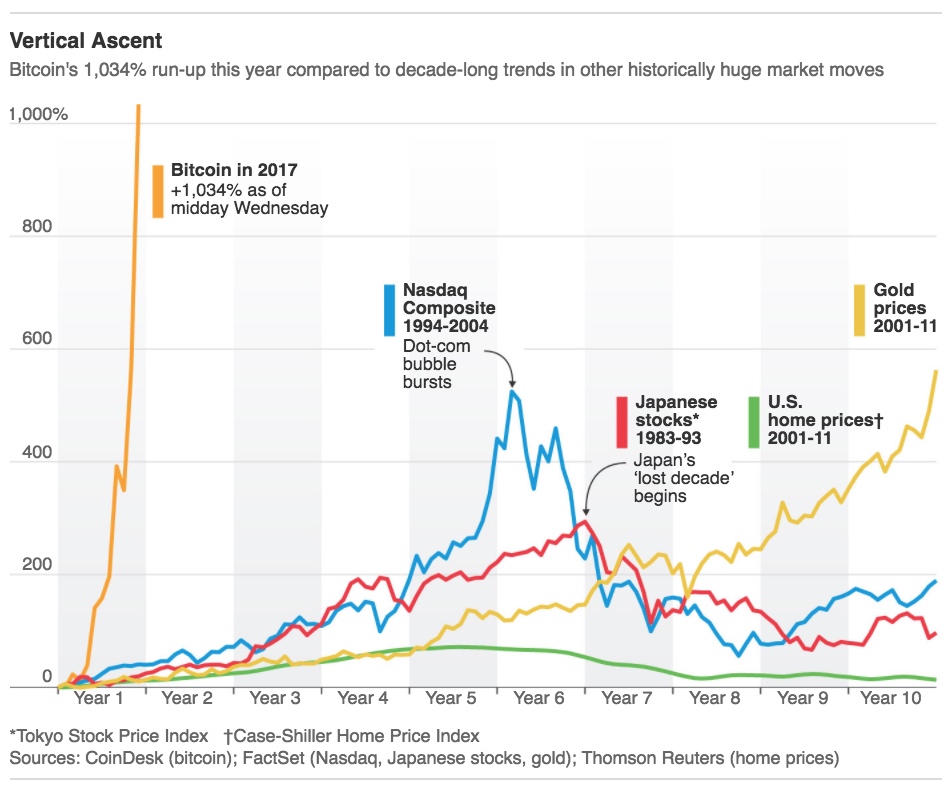
- The Dot-com Bubble (late 1990s): Characterized by excessive investment in internet-based companies, this bubble saw stock prices soar, only to plummet when market realities set in.
- The US Housing Bubble (mid-2000s): A result of speculative real estate investments and subprime mortgages, this bubble led to the financial crisis of 2007-2008.
These examples illustrate how bubbles can emerge in different contexts, often driven by a mix of speculation and psychological factors.
Psychological Factors Contributing to Bubble Formation
Several psychological factors play a crucial role in the formation of financial bubbles. Understanding these can shed light on investor behavior during such periods.
- Herd Behavior: Investors often mimic the actions of others, leading to a self-reinforcing cycle where buying begets buying, regardless of valuations.
- Overconfidence: Investors may overestimate their knowledge and ability to predict market movements, leading to risky investment choices.
- Fear of Missing Out (FOMO): The anxiety of not participating in a surge can compel investors to buy at inflated prices, further inflating the bubble.
- Confirmation Bias: Investors tend to seek information that supports their existing beliefs while disregarding contrary evidence, leading to misjudgment of risk.
These psychological factors can create a fertile ground for bubbles to develop, as they encourage irrational exuberance and disregard for underlying economic fundamentals.
Overview of Bitcoin’s Market Behavior
Bitcoin’s market behavior has fascinated investors and analysts alike since its inception. Its price history showcases a rollercoaster of rapid increases and dramatic declines, reflecting the cryptocurrency’s volatile nature. Understanding these movements offers insights not just into Bitcoin, but also into the broader cryptocurrency market and its implications for investors.Bitcoin’s price history is marked by significant milestones and stark fluctuations.
Launched in 2009, Bitcoin began trading at virtually zero value. However, it surged to its first major peak in late 2013, reaching over $1,100 before crashing to around $200 in early 2015. The next significant rise occurred in 2017, when Bitcoin reached an all-time high of nearly $20,000 in December, only to drop sharply to around $3,200 by early 2018.
Since then, Bitcoin has experienced several significant price movements, including a resurgence in late 2020, where it surpassed its previous highs, hitting over $60,000 in April 2021 before entering another volatile phase.
Fluctuations During Peak Periods
The fluctuations in Bitcoin’s value during its peak periods illustrate both its potential for high returns and the risks involved. During these times, Bitcoin often experiences extreme price swings, driven by various factors, including market speculation, regulatory news, and macroeconomic trends. Key periods of fluctuation include:
- December 2017: Bitcoin’s price soared to nearly $20,000 before undergoing a rapid decline. This period was characterized by massive media coverage and speculation, leading to an influx of new investors.
- April 2021: The cryptocurrency reached above $60,000, fueled by institutional investments and growing acceptance among businesses. However, it quickly fell back to around $30,000 by the summer of the same year, showcasing its tendency for sharp corrections.
- Late 2021 to Early 2022: Bitcoin faced significant volatility as it fluctuated between $50,000 and $70,000, responding to changes in regulatory outlooks and macroeconomic factors such as inflation concerns.
The dramatic rise and fall of Bitcoin’s price during these peak periods highlight the inherent unpredictability of the cryptocurrency market and underscore the need for cautious investment strategies.
Comparison with Traditional Asset Classes
Bitcoin’s volatility sets it apart from traditional asset classes like stocks and bonds. While stocks can also experience substantial price movements, Bitcoin’s price changes are typically much more pronounced. The volatility of Bitcoin can be compared through the following aspects:
- Price Movement: Bitcoin’s daily price fluctuations can exceed 10%, while typical stock markets might experience shifts of 1-2% on average. This difference reflects Bitcoin’s nascent stage and speculative nature.
- Market Capitalization: As of late 2021, Bitcoin’s market capitalization was over $1 trillion, positioning it as a major asset class, yet still susceptible to larger percentage swings compared to established assets like gold, which often serves as a safe haven during market turbulence.
- Liquidity: Bitcoin’s liquidity can vary, especially during market downturns. Unlike traditional stocks, where investors can generally execute trades with relative ease, the cryptocurrency market may experience slippage and increased spreads during volatile periods.
These characteristics illustrate how Bitcoin, while offering potential for high returns, comes with a level of risk that is markedly different from traditional forms of investment.
Indicators of a Bubble in Bitcoin
The notion of a bubble in Bitcoin is often signaled by specific financial metrics and market behaviors. Recognizing these indicators can help investors make informed decisions and avoid potential pitfalls. Understanding these signs can provide clarity on the dynamic nature of Bitcoin’s market cycles.
Key Metrics Signaling Bubble Conditions
Several metrics are essential in identifying potential bubble conditions in Bitcoin. Tracking these can give investors insights into the sustainability of price increases. Key indicators include:
- Price-to-Earnings (P/E) Ratio: Though traditionally used for stocks, a modified version can be applied to cryptocurrencies. A significantly high P/E ratio may indicate that Bitcoin is overvalued relative to its earnings potential.
- Market Capitalization: A rapid increase in market capitalization without corresponding increases in actual usage or adoption can suggest speculative behavior.
- Trading Volume: An unusually high trading volume can signify that many traders are entering the market, which may inflate prices artificially.
- Volatility Index: A surge in volatility often coincides with speculative trading, which can lead to unsustainable price movements.
Influence of Speculative Trading on Bitcoin’s Price
Speculative trading plays a significant role in driving Bitcoin’s price fluctuations. Investors often engage in buying and selling based on market sentiment rather than underlying value. This can lead to substantial price swings, as traders react to trends and news rather than fundamental factors. For instance, during the late 2017 rally, Bitcoin experienced extreme volatility, where prices surged to nearly $20,000 largely driven by speculative trading rather than increased adoption or technological advancements.
Role of Media Hype and Social Sentiment in Creating a Bubble
Media coverage and social sentiment are powerful forces in shaping perceptions of Bitcoin, often fueling the hype necessary for a bubble to form. Positive media portrayals can lead to increased interest from both retail and institutional investors, pushing prices higher. Conversely, negative coverage can trigger panic selling. The impact of social media cannot be underestimated; platforms like Twitter and Reddit have been instrumental in amplifying news about Bitcoin, creating a rapid feedback loop.
This phenomenon was particularly evident during the 2021 bull run when online discussions drove a surge in retail investment.
The correlation between social sentiment and Bitcoin pricing can be profound, often leading to bubbles characterized by irrational exuberance.
Understanding these indicators of a bubble in Bitcoin can help navigate the volatile landscape of cryptocurrency investing. Investors should remain vigilant and consider these factors before making investment decisions.
Economic Implications of a Bitcoin Bubble
The phenomenon of a Bitcoin bubble extends its influence beyond the cryptocurrency market, potentially impacting the broader economy in various ways. As speculative investment drives prices to unsustainable levels, the aftermath of a bubble can result in significant economic consequences, not only for investors but also for businesses, financial institutions, and the economy at large.The bursting of a Bitcoin bubble may lead to instability in financial markets.
A sharp decline in Bitcoin prices can trigger widespread panic among investors, resulting in a sell-off that affects not just cryptocurrencies but also traditional assets. The interconnectivity of modern financial systems means that losses in one sector can ripple through to others, exacerbating economic downturns.
Consequences of a Burst Bubble in Cryptocurrency Markets
When a bubble bursts, several scenarios can unfold that reflect the gravity of the situation. Understanding these outcomes is essential for assessing the broader economic implications.
- Investor Losses: Retail and institutional investors alike may face significant financial losses, leading to reduced consumer spending and confidence in the economy.
- Impact on Financial Institutions: Banks and investment firms heavily exposed to cryptocurrencies could suffer extensive losses, potentially leading to liquidity crises or even bankruptcies.
- Market Volatility: The aftermath of a burst bubble typically results in increased volatility across financial markets as investors reevaluate their risk exposures and strategies.
- Purge of Inefficient Enterprises: Companies that capitalized on the Bitcoin hype, perhaps through Initial Coin Offerings (ICOs) or associated services, may face closure or significant downsizing, leading to job losses.
Regulatory Responses to Perceived Bitcoin Bubbles
Regulatory responses play a crucial role in shaping the landscape of the cryptocurrency market, especially during periods when a bubble is perceived to be forming. Governments and financial authorities may implement various measures aimed at mitigating the risks associated with speculative trading.In response to the volatility of Bitcoin, regulators might consider:
- Increased Scrutiny: Authorities may increase oversight of cryptocurrency exchanges to ensure compliance with financial regulations, aiming to protect consumers from potential fraud.
- Taxation and Reporting Requirements: Implementing stricter tax regulations on cryptocurrency transactions could deter speculative investments by increasing the cost of trading.
- Market Intervention: In extreme cases, governments may intervene directly to stabilize the market, such as by imposing temporary trading halts or implementing measures to limit price manipulation.
- Public Awareness Campaigns: Regulatory bodies might initiate campaigns to educate the public about the risks associated with investing in volatile assets like Bitcoin, aiming to reduce speculative behavior.
The implications of a Bitcoin bubble are complex and multifaceted, with potential risks that extend well beyond the cryptocurrency itself, influencing a wide array of economic factors. Understanding these implications is crucial for investors, policymakers, and the general public as they navigate the evolving landscape of digital currencies.
Strategies to Approach Bitcoin Investment
Navigating the world of Bitcoin investment, especially during periods of heightened volatility, requires a well-thought-out approach. Understanding market trends and implementing effective strategies can safeguard your investments and help you capitalize on opportunities. Here’s a guide to effectively assess risk, diversify your portfolio, and engage in informed trading.
Assessing Risk When Investing in Bitcoin
Evaluating risk is crucial for any investor, particularly in the unpredictable cryptocurrency market. To gauge the potential risks involved in Bitcoin investment, consider the following key factors:
- Market Volatility: Bitcoin prices can fluctuate dramatically within short periods. Understanding historical price movements can provide context for potential volatility.
- Investment Horizon: Define your time frame for holding Bitcoin. Long-term investors may withstand short-term dips better than those with a short-term focus.
- Market Sentiment: Stay informed about news, regulatory changes, and market sentiment, as these can heavily influence Bitcoin’s price.
- Personal Financial Situation: Assess your own financial health, including your capacity to absorb losses and your overall investment strategy.
Diversifying Portfolios Including Bitcoin
Diversification is a time-tested strategy to mitigate risk in investment portfolios. Here are some methodologies to include Bitcoin while maintaining a balanced portfolio:
- Asset Allocation: Determine an appropriate percentage of your portfolio to allocate to Bitcoin based on your risk tolerance and investment goals. This might range from 5% to 20% for most investors.
- Incorporate Other Cryptocurrencies: Consider adding other digital assets with varying use cases and market dynamics to spread risk.
- Traditional Assets: Maintain investments in traditional assets like stocks, bonds, and real estate to provide stability against Bitcoin’s volatility.
- Regular Rebalancing: Periodically review and adjust your portfolio to ensure it aligns with your investment objectives and market conditions.
Informed Trading and Avoiding Bubble Pitfalls
Engaging in informed trading is fundamental in navigating the risks associated with Bitcoin bubbles. Here are some practices to consider:
- Setting Clear Goals: Establish specific investment goals and exit strategies to guide your trading decisions.
- Research and Analysis: Conduct thorough research on market trends, technical analysis, and fundamental indicators before making trades.
- Utilize Stop-Loss Orders: Implement stop-loss orders to protect your capital by automatically selling Bitcoin if it reaches a predefined price.
- Stay Emotionally Disciplined: Avoid making impulsive decisions based on fear or greed during market fluctuations. Stick to your strategy.
“Investing is not about timing the market, but about time in the market.”
Future Trends and Predictions
As Bitcoin continues to establish itself as a dominant player in the cryptocurrency market, understanding potential future developments is crucial for investors and enthusiasts alike. The landscape of Bitcoin is constantly evolving, influenced by technological advancements, regulatory changes, and market sentiment. This section discusses possible future trends and predictions that could shape Bitcoin’s trajectory in the coming years.Identifying emerging trends offers insights into potential price movements and the formation of future bubbles.
Several key factors could influence how Bitcoin behaves in the market, including mainstream adoption, regulatory frameworks, and advancements in blockchain technology.
Emerging Trends Influencing Bitcoin’s Future
It’s important to recognize the trends that may lead to another Bitcoin bubble, each carrying its own implications for investors and the broader market. The following factors play a significant role in shaping Bitcoin’s future:
- Mainstream Adoption: Increasing acceptance of Bitcoin as a payment method by major retailers and financial institutions is likely to drive demand. As more businesses integrate Bitcoin into their payment systems, its legitimacy as a currency will grow.
- Regulatory Developments: The evolving regulatory landscape can either bolster or hinder Bitcoin’s growth. Clear regulations may attract institutional investors, while restrictive policies could lead to market uncertainty.
- Technological Advancements: Innovations in blockchain technology, such as second-layer solutions like the Lightning Network, aim to enhance Bitcoin’s scalability and transaction speed. Improved user experience can attract new users and increase market activity.
- Institutional Investment: The influx of institutional investors into the cryptocurrency space signifies a shift in perception. With firms like MicroStrategy and Tesla investing in Bitcoin, continued interest from institutions could lead to significant price increases.
- Market Sentiment and Speculation: Bitcoin’s price is heavily influenced by market sentiment. Speculative trading often leads to volatility, which can create the conditions for bubbles to form as traders react to market trends.
Potential Impactful Events Timeline
Understanding the timeline of events that could impact Bitcoin’s price long-term provides further context for its future behavior. Here are some key anticipated events:
- 2023: New Regulatory Guidelines: The anticipated release of comprehensive regulatory frameworks from major economies could either legitimize Bitcoin or create barriers, influencing its price significantly.
- 2024: Bitcoin Halving Event: Historically, Bitcoin halving events have led to substantial price increases. The next halving, expected in 2024, may generate renewed interest and speculation.
- 2025: Institutional Adoption Growth: Predictions suggest that the number of institutional players in the cryptocurrency market will increase, potentially leading to a price surge due to higher demand.
- 2026: Technological Breakthroughs: Emerging technologies that enhance Bitcoin’s functionality and user experience could lead to increased adoption rates, further influencing market dynamics.
- 2027: Mainstream Financial Integration: The likelihood of Bitcoin being integrated into traditional financial systems may increase, which could solidify its status as a legitimate asset class.
“The future of Bitcoin hinges on its ability to adapt, evolve, and integrate into the broader financial ecosystem.”
Closure
In conclusion, the bitcoin bubble exemplifies the intricate dance between speculation, market psychology, and economic reality. As we witness the ongoing evolution of Bitcoin, it becomes crucial for investors to remain vigilant and informed, considering both the potential rewards and the risks of a market prone to bubbles. Keeping abreast of trends and employing sound investment strategies can help mitigate pitfalls while capitalizing on opportunities in this dynamic environment.
FAQ Section
What causes a bitcoin bubble?
A bitcoin bubble is often caused by speculative trading, media hype, and the psychological desire for profit, leading to rapid price increases that are not supported by underlying value.
How can I identify a bitcoin bubble?
Indicators of a bitcoin bubble include extreme price volatility, a surge in trading volume, and widespread media coverage, often accompanied by a general sense of euphoria among investors.
What happens when the bitcoin bubble bursts?
When a bitcoin bubble bursts, prices can plummet dramatically, leading to significant financial losses for investors and potential repercussions in the broader cryptocurrency market.
Is bitcoin a safe investment during a bubble?
Investing in bitcoin during a bubble can be risky; while the potential for high returns exists, the volatility associated with bubbles can lead to substantial losses.
What strategies can mitigate risks associated with bitcoin bubbles?
Diversifying investments, setting clear risk management strategies, and staying informed about market trends can help mitigate risks associated with bitcoin bubbles.