August 31, 2026

cryptocurrency

Bitcoin news satoshi takes center stage as we delve into the fascinating world of Bitcoin, a revolutionary digital currency that has transformed financial landscapes since its inception. The enigmatic figure of Satoshi Nakamoto, the creator of Bitcoin, remains shrouded in mystery, yet his vision laid the groundwork for a decentralized monetary system that challenges traditional finance.

This exploration will cover recent developments, market trends, and technological innovations affecting Bitcoin, alongside the cultural significance of its community. Join us as we unravel the latest headlines and legacy surrounding this groundbreaking cryptocurrency.

Introduction to Bitcoin

Bitcoin, the world’s first decentralized digital currency, was introduced in 2009 by an anonymous person or group of people known as Satoshi Nakamoto. This revolutionary currency was born out of a desire to create a peer-to-peer electronic cash system that operated without the need for a central authority. Satoshi’s vision aimed to empower individuals by providing them with a means of exchange that was transparent, secure, and independent of traditional banking systems.The primary purpose of Bitcoin is to serve as a decentralized digital currency that allows users to transact directly with one another, without intermediaries.

This unique characteristic enables lower transaction fees and greater accessibility for individuals around the globe. The backbone of this system is blockchain technology, a distributed ledger that records all transactions in a secure and transparent manner, ensuring that the integrity of the currency is maintained.

Recent Developments in Bitcoin News

In the fast-paced world of cryptocurrency, notable developments frequently take the spotlight. Recently, Bitcoin has seen significant headlines, including institutional adoption by major financial firms and growing interest from retail investors. Regulatory changes, such as clearer guidelines from government bodies, have also impacted the market performance of Bitcoin. These developments often lead to fluctuations in price and trading volumes, making it essential for investors to stay informed.Key events influencing Bitcoin adoption in recent months include major companies integrating Bitcoin into their payment systems and increased discussions about central bank digital currencies (CBDCs).

These factors highlight Bitcoin’s growing presence and importance in today’s financial landscape.

Satoshi Nakamoto’s Legacy

The identity of Satoshi Nakamoto remains one of the most intriguing mysteries in the crypto world. The debate surrounding who Satoshi is has implications for Bitcoin’s future and governance. The original Bitcoin whitepaper, released in 2008, Artikeld a vision for a decentralized currency that would eliminate the need for intermediaries in financial transactions, ultimately redefining the concept of money.Satoshi’s initial intentions were centered on creating a secure and limited supply currency, contrasting with the current state where Bitcoin is often viewed as both a digital asset and a store of value.

This evolution reflects the dynamic nature of Bitcoin as it adapts to changing market conditions and user needs.

Bitcoin Market Trends

Recent price movements in the Bitcoin market have shown volatility, with significant fluctuations driven by broader market trends and investor sentiment. Institutional investors have increasingly entered the Bitcoin space, contributing to price stability and promoting mainstream acceptance of the cryptocurrency.

Month Market Capitalization (USD) Price Change (%)
January $800 billion +10%
February $750 billion -6.25%
March $900 billion +20%
April $1 trillion +11.11%

Technological Innovations Impacting Bitcoin

Emerging technologies are continually shaping the functionality and usability of Bitcoin. One such innovation is Layer 2 solutions, which are designed to enhance Bitcoin’s transaction speed and scalability. These solutions, like the Lightning Network, allow for faster, cost-effective transactions, making Bitcoin more viable for everyday use.The evolution of Bitcoin wallets has also significantly impacted how users interact with the cryptocurrency.

Each type of wallet offers different features, catering to various user needs.

Wallet Type Features
Hardware Wallet Offline storage, high security
Software Wallet User-friendly, mobile access
Paper Wallet Physical backup, high security

Bitcoin Community and Culture

Community engagement is a pivotal aspect of Bitcoin’s development. The decentralized nature of Bitcoin fosters a passionate community that actively participates in discussions, development, and advocacy. Influential figures within the Bitcoin community, such as developers and prominent advocates, have significantly contributed to the cryptocurrency’s growth and adoption.Various online platforms and forums have emerged as hubs for Bitcoin discussions, allowing enthusiasts and experts to share insights, ideas, and the latest news.

These communities play a vital role in promoting Bitcoin and educating new users.

Bitcoin and Global Economics

Bitcoin holds significant potential in emerging markets and economies, where traditional banking infrastructure may be lacking. Its ability to provide an alternative means of exchange can empower underserved populations and facilitate financial inclusion. Additionally, Bitcoin’s decentralized nature could disrupt established banking systems, challenging the status quo.During economic downturns, Bitcoin has shown resilience compared to fiat currencies, often maintaining its value or even appreciating in response to inflationary pressures.

This characteristic positions Bitcoin as a potential hedge against economic instability.

Future Predictions for Bitcoin

Looking ahead, forecasts about Bitcoin’s price and adoption rates suggest a continued upward trajectory, driven by increased institutional interest and technological advancements. However, Bitcoin may face challenges such as regulatory scrutiny and market volatility.Potential regulatory developments could significantly impact Bitcoin’s future landscape. Here’s a list of possible considerations:

  • Increased clarity on cryptocurrency regulations
  • Tax implications for Bitcoin transactions
  • Global efforts toward standardization of digital currencies
  • Potential restrictions on cryptocurrency exchanges

Final Wrap-Up

In summary, the journey of Bitcoin, marked by Satoshi Nakamoto’s revolutionary ideas, continues to evolve with each passing day. From regulatory shifts to technological advancements, the landscape of Bitcoin is ever-changing, offering both challenges and opportunities for its users and investors alike. As we look to the future, the legacy of Satoshi and the community’s resilience promise to keep Bitcoin at the forefront of digital currency discussions.

Commonly Asked Questions

What is Bitcoin?

Bitcoin is a decentralized digital currency created by Satoshi Nakamoto that allows for peer-to-peer transactions without intermediaries.

Who is Satoshi Nakamoto?

Satoshi Nakamoto is the pseudonymous person or group of people who created Bitcoin and authored its original whitepaper, introducing the concept of blockchain technology.

How does Bitcoin work?

Bitcoin works on a decentralized network using blockchain technology to verify and record transactions across a network of computers.

What affects Bitcoin’s price?

Bitcoin’s price is influenced by factors such as market demand, regulatory news, technological developments, and overall economic conditions.

Is Bitcoin legal?

The legality of Bitcoin varies by country, with some nations fully embracing it while others impose restrictions or prohibitions.
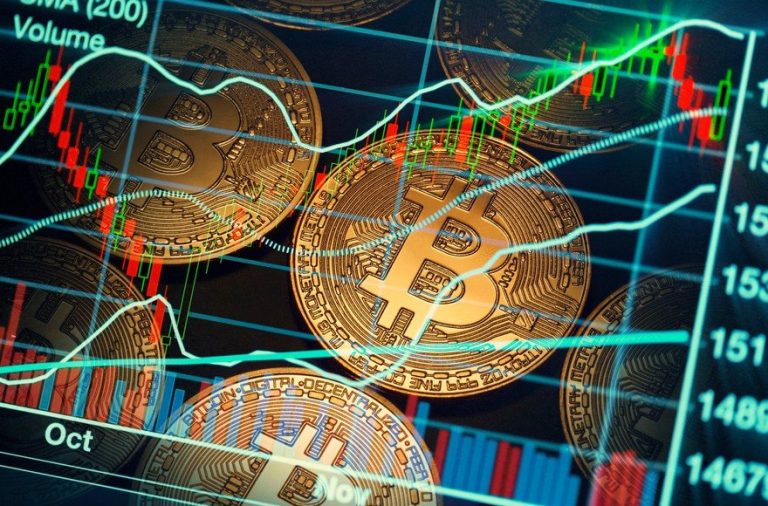
Kicking off with bitcoin news market, there’s a whirlwind of activity shaping the trends and dynamics of Bitcoin. In recent times, fluctuations in Bitcoin prices and the influence of global economic factors have made headlines, capturing the attention of investors and enthusiasts alike.

This exploration dives into the recent price movements, investor sentiment, and the broader implications of technological advancements and regulations that shape the landscape of Bitcoin today.

Current Trends in Bitcoin Market

The Bitcoin market has been experiencing notable fluctuations and trends in recent weeks, influenced by various economic and social factors. As cryptocurrency gains mainstream attention, understanding its dynamics becomes increasingly vital for investors and enthusiasts alike.

Recent Market Trends

The price movements of Bitcoin over the last month have shown significant volatility. At the beginning of the month, Bitcoin was trading around $25,000, but it has fluctuated between $22,000 and $28,000, reflecting a broader trend seen in the cryptocurrency market. This volatility can be attributed to global economic uncertainties, including inflation rates and geopolitical tensions, which have created an environment of risk aversion among investors.

Global Economic Influence

Several global economic factors are influencing Bitcoin’s pricing. The U.S. Federal Reserve’s monetary policy decisions, such as interest rate hikes, directly impact investor sentiment toward risk assets like Bitcoin. Moreover, ongoing inflation concerns and market instability have prompted many to consider Bitcoin as a hedge against traditional financial systems, further driving its demand.

Major Events Influencing Bitcoin Prices

Key events and developments play a crucial role in shaping the Bitcoin market, often leading to significant price fluctuations. Understanding these events can help investors make informed decisions.

Significant Fluctuation Events

Several recent events have caused notable shifts in Bitcoin prices. For instance, the announcement of regulatory frameworks in different countries has often led to sharp price reactions. Additionally, significant cryptocurrency exchange hacks or security breaches have historically caused panic among investors, leading to rapid sell-offs.

Regulatory News Impact

Regulatory news has a profound impact on Bitcoin trading dynamics. Positive regulatory developments, such as approval for Bitcoin ETFs, tend to boost market confidence, while crackdowns on exchanges or stricter regulations can lead to declines. Investors are closely monitoring developments in countries like the U.S. and the EU, where discussions around cryptocurrency regulations are ongoing.

Technological Advancements

Technological progress is also reshaping the Bitcoin market. Innovations such as the Lightning Network, which allows for faster transactions, and enhancements in blockchain technology contribute to Bitcoin’s appeal, making it more efficient and user-friendly for traders.

Investors’ Sentiment and Behavior

Investor sentiment plays a pivotal role in the Bitcoin market, affecting trading decisions and price movements.

Current Investor Sentiment

Currently, investor sentiment is a mix of optimism and caution. Many investors are bullish on Bitcoin’s long-term prospects, driven by increased adoption and institutional interest. However, short-term volatility has made some investors hesitant, leading to a more cautious approach in trading.

Influence of Social Media

Social media platforms have become vital in shaping public perception and investor behavior regarding Bitcoin. Tweets from influential figures or viral posts can lead to rapid price movements, demonstrating the power of social sentiment in this digital age.

Ownership Distribution Statistics

Statistics show a diverse distribution of Bitcoin ownership among different demographics. Recent surveys indicate that millennials are leading the charge in Bitcoin ownership, while older generations remain more skeptical. This demographic shift highlights the importance of understanding varying attitudes towards cryptocurrency.

Comparison of Bitcoin with Other Cryptocurrencies

When analyzing Bitcoin’s performance, it is crucial to compare it with other major cryptocurrencies to understand its position in the market.

Performance Against Major Altcoins

Over the past quarter, Bitcoin’s performance has outpaced many altcoins, although some, like Ethereum, have shown resilience due to their unique use cases and technological innovations. Bitcoin’s price has generally increased by around 15%, while Ethereum has seen fluctuations of about 10%.

Technological Innovations Comparison

Bitcoin and Ethereum are both undergoing technological innovations, but they serve different purposes. While Bitcoin focuses on being a store of value and a medium of exchange, Ethereum has introduced smart contracts, enabling decentralized applications that extend its functionality beyond simple transactions.

Investment Advantages and Disadvantages

Investing in Bitcoin presents both advantages and disadvantages.

  • Advantages: Strong brand recognition, first-mover advantage, and widespread acceptance as a digital asset.
  • Disadvantages: High volatility and regulatory uncertainties that can impact price stability.

Future Predictions for Bitcoin Market

Speculating on Bitcoin’s future involves analyzing various factors that could influence its price trajectory.

Price Forecasts

Experts predict that Bitcoin could see prices ranging from $30,000 to $50,000 over the next year, driven by increased adoption and potential institutional investments. Historical trends suggest that as Bitcoin matures, its price could stabilize, although fluctuations are expected.

Expert Opinions on Market Developments

Analysts believe that factors such as mainstream adoption, advancements in technology, and potential regulatory clarity will play a significant role in shaping Bitcoin’s future. Many experts advocate for a cautious approach, emphasizing the importance of informed investing.

Impact Factors on Future Trends

Several elements could impact Bitcoin’s future, including:

  • Global economic conditions
  • Regulatory environments
  • Technological advancements
  • Market sentiment and investor behavior

Bitcoin in the Context of Global Finance

Bitcoin’s role in global finance is evolving, especially as institutions begin to recognize its potential.

Integration into Financial Systems

Bitcoin is increasingly being integrated into traditional financial systems, with some banks starting to offer crypto-related services. This integration signals a growing acceptance of Bitcoin as a legitimate financial asset.

Potential as a Reserve Asset

There are discussions around Bitcoin’s potential as a reserve asset for institutions, much like gold. Some analysts believe that as more corporations add Bitcoin to their balance sheets, it could solidify its status in the financial landscape.

Risks and Challenges in Bitcoin Investing

Investing in Bitcoin comes with its own set of risks and challenges that potential investors should be aware of.

Primary Risks

Key risks associated with Bitcoin investment include market volatility, regulatory risks, and security concerns related to exchanges. The potential for significant price drops can pose a risk to investors looking for short-term gains.

Challenges for New Investors

New Bitcoin investors often face challenges such as understanding market dynamics, navigating exchanges, and experiencing emotional decision-making during price fluctuations. Education and research are crucial for overcoming these hurdles.

Risk Mitigation Strategies

Investors can utilize various strategies to mitigate risks, including:

  • Diversifying their investment portfolio
  • Setting stop-loss orders
  • Staying informed about market trends and news

Technological Developments in Bitcoin Ecosystem

Technological advancements continue to fuel growth in the Bitcoin ecosystem, enhancing its functionality and security.

Recent Technological Advancements

Recent improvements in Bitcoin transaction processing, such as the integration of Segregated Witness (SegWit) and the Lightning Network, have greatly increased transaction speeds and reduced fees, making Bitcoin more appealing for everyday transactions.

Role of Blockchain Technology

Blockchain technology remains at the core of Bitcoin’s success. Its decentralized nature ensures transparency and security, which are essential in maintaining trust among users and investors.

Innovative Projects in the Ecosystem

Numerous innovative projects within the Bitcoin ecosystem focus on enhancing its usability and adoption. For example, advancements in wallets and payment solutions aim to simplify user experience and promote broader adoption among consumers and merchants alike.

Regulatory Landscape for Bitcoin

The regulatory landscape surrounding Bitcoin is complex and continually evolving, impacting its market dynamics.

Current Regulatory Environment

Countries around the world exhibit varying approaches to Bitcoin regulation. While some nations embrace cryptocurrencies, others impose strict regulations or outright bans. Understanding these dynamics can help investors assess market risks.

Implications of Regulatory Changes

Potential regulatory changes can significantly impact the Bitcoin market. Positive regulations may foster growth, while restrictive policies can lead to decreased investor confidence and market downturns.

Comparison of Regulatory Approaches

In examining how different countries approach Bitcoin regulation, it’s clear there is a spectrum of strategies:

  • Countries like El Salvador have adopted Bitcoin as legal tender.
  • The U.S. is working towards a more comprehensive regulatory framework.
  • China has enforced strict bans on cryptocurrency trading.

Bitcoin and Sustainability Concerns

Sustainability remains a critical topic of discussion in the Bitcoin community, particularly concerning mining practices and environmental impact.

Environmental Impact of Mining

Bitcoin mining is often criticized for its significant energy consumption and environmental footprint. The reliance on fossil fuels in some regions raises concerns about the sustainability of Bitcoin’s growth.

Sustainable Practices in the Industry

In response to these concerns, initiatives focusing on sustainable mining practices are emerging. Some mining operations are transitioning to renewable energy sources, aiming to reduce their carbon footprint.

Evolving Towards Sustainability

As the Bitcoin industry matures, there is potential for evolution towards more sustainable practices. This shift is crucial for addressing environmental concerns and improving Bitcoin’s public perception as a responsible asset.

Ending Remarks

In conclusion, the bitcoin news market presents a fascinating interplay of trends, events, and innovations that continue to redefine the future of cryptocurrency. As investors navigate this volatile terrain, staying informed about market dynamics, risks, and emerging technologies will be key to making sound investment decisions.

Common Queries

What factors influence Bitcoin prices?

Factors include market demand, regulatory news, technological advancements, and global economic trends.

How does social media impact Bitcoin trading?

Social media can drive investor sentiment, influence trading decisions, and sway public perception of Bitcoin.

What are the risks of investing in Bitcoin?

Risks include market volatility, regulatory changes, and technological vulnerabilities.

Is Bitcoin a sustainable investment?

Bitcoin’s sustainability is debated, particularly regarding its environmental impact, but efforts are underway to adopt greener practices.

How does Bitcoin compare to other cryptocurrencies?

Bitcoin generally leads in market cap and recognition, but other cryptocurrencies may offer unique advantages and innovations.

Bitcoin news in 2010 sets the stage for this enthralling narrative, offering readers a glimpse into a story that is rich in detail and brimming with originality from the outset.

In 2010, Bitcoin emerged from the shadows of early Internet discussions, capturing the attention of tech enthusiasts and marking the beginning of a digital currency revolution. This year showcased significant milestones, ranging from the very first Bitcoin transactions to the development of platforms and wallets that laid the groundwork for future innovations, making it a pivotal moment in cryptocurrency history.

Historical Context of Bitcoin in 2010

The year 2010 marked a pivotal moment in the history of Bitcoin, as it transitioned from a novelty within the tech community to a subject of broader interest and speculation. Initially introduced to the world by the enigmatic figure of Satoshi Nakamoto in 2009, Bitcoin began gaining traction among programmers and cryptography enthusiasts. As more individuals learned about the concept of digital currency and decentralized finance, Bitcoin’s potential was slowly becoming evident.Throughout 2010, several significant events highlighted the evolution of Bitcoin.

The following timeline Artikels key milestones in its development:

  • January 12: The first exchange rate was established, valuing Bitcoin at $0.003.
  • May 22: The famous “Bitcoin Pizza Day” occurred, when Laszlo Hanyecz paid 10,000 Bitcoins for two pizzas, marking one of the first real-world transactions.
  • July: The first Bitcoin exchange, Mt. Gox, was launched, allowing users to buy and sell Bitcoin for fiat currency.
  • August: The Bitcoin software was released under an open-source license, encouraging developers to contribute.
  • December: Bitcoin reached a value of $0.30, with increased media attention and public interest.

Early adopters played a significant role in Bitcoin’s rise, with influential figures like Hal Finney and Roger Ver advocating for its adoption and usage. Their contributions helped to foster a supportive community around Bitcoin, leading to its gradual acceptance and growth.

Major News Events Related to Bitcoin in 2010

In 2010, several key news articles and reports highlighted Bitcoin’s growth, contributing to its rising profile. Major technology and finance publications began to cover Bitcoin, discussing its potential and implications for the financial landscape. Some notable news highlights from 2010 include:

  • In June, a Wired article titled “The Rise and Fall of Bitcoin” examined the cryptocurrency’s potential and risks.
  • In November, The New York Times published a piece titled “Bitcoin: A New Currency for the Internet,” showcasing its relevance in digital transactions.
  • Throughout the year, forums like Bitcointalk.org became central hubs for discussion, where enthusiasts shared insights and news.

The first Bitcoin transactions, such as the purchase of pizzas, symbolized a significant breakthrough, as they showcased Bitcoin’s viability as a form of payment in the real world.

Bitcoin’s Price Movement and Market Reactions in 2010

Bitcoin’s price experienced notable fluctuations throughout 2010, driven by various factors including media coverage, technological developments, and market sentiment. At the beginning of the year, Bitcoin’s price was less than one cent, but by December, it had surged to around $0.30.The media portrayal of Bitcoin during this year was mixed, with some outlets highlighting its potential for financial freedom and others warning of its volatility.

Public sentiment was largely positive, as more people began to view Bitcoin as a legitimate alternative to traditional currency.The following table illustrates Bitcoin’s monthly closing prices in 2010, showcasing its remarkable growth trajectory:

Month Closing Price (USD)
January $0.003
February $0.01
March $0.07
April $0.10
May $0.08
June $0.05
July $0.08
August $0.06
September $0.05
October $0.07
November $0.25
December $0.30

Regulatory and Legal Developments in 2010

In 2010, government responses to Bitcoin began to emerge, as regulators sought to understand the implications of this new form of currency. Various countries debated the legal status of Bitcoin, with some viewing it with skepticism while others adopted a more open-minded approach.The implications of Bitcoin’s legal status included discussions about its classification as a commodity or currency. In the United States, the Financial Crimes Enforcement Network (FinCEN) issued guidelines that established Bitcoin as a form of money transmission, leading to increased regulatory scrutiny.

Other countries, such as Germany, recognized Bitcoin as a form of private money, paving the way for further exploration of its potential.Debates among regulators often centered around consumer protection, potential money laundering risks, and the need for a legal framework to govern cryptocurrency transactions. These discussions were crucial for shaping the future landscape of digital currencies.

Technological Developments and Innovations in 2010

was a year of significant technological advancements that supported Bitcoin’s infrastructure. The introduction of wallets and exchanges played a critical role in facilitating Bitcoin transactions, making it easier for users to buy, sell, and store their Bitcoins.Key developments in technology included:

  • The launch of the first Bitcoin exchange, Mt. Gox, in July, which allowed users to trade Bitcoin for fiat currency.
  • The introduction of various wallet software options, providing users with secure places to store their Bitcoin.
  • Significant software updates, including version releases that improved the security and functionality of the Bitcoin network.

These innovations greatly contributed to the growing adoption of Bitcoin and its acceptance as a legitimate form of currency.

Cultural and Social Impact of Bitcoin in 2010

Bitcoin’s emergence in 2010 had a profound influence on online communities and digital culture. It sparked conversations about decentralization, financial freedom, and the future of money. Notable discussions centered around how Bitcoin could empower individuals by eliminating reliance on traditional financial institutions. The idea of a decentralized currency resonated with many, fostering a community of advocates who championed these values.Several blogs and discussion forums gained traction due to Bitcoin’s popularity, including:

  • Bitcointalk.org, which became a central hub for Bitcoin enthusiasts.
  • CoinDesk, which emerged as a leading news source for cryptocurrency developments.
  • Reddit, where dedicated threads discussing Bitcoin attracted significant engagement.

These platforms enabled passionate discussions and debates, further solidifying Bitcoin’s position in the cultural landscape of 2010.

Conclusive Thoughts

In summary, the developments and news surrounding Bitcoin in 2010 not only painted a picture of a burgeoning technology but also set the foundation for its future. As early adopters and pioneers led the charge, the impact of Bitcoin began to ripple through various communities, paving the way for discussions on decentralization, regulatory challenges, and the evolving market landscape that would follow.

Essential FAQs

What was Bitcoin’s initial reception in 2010?

Bitcoin was met with curiosity and skepticism, primarily among tech enthusiasts and early adopters who recognized its potential but questioned its practicality.

How did Bitcoin’s price fluctuate in 2010?

Bitcoin’s price experienced significant volatility, starting at around $0.003 and reaching approximately $0.30 by the end of the year, driven by increasing interest and media coverage.

Were there any regulatory responses to Bitcoin in 2010?

Yes, various governments began to recognize Bitcoin’s existence, leading to preliminary discussions about regulation, though no significant laws were enacted during that year.

What technological advancements occurred for Bitcoin in 2010?

The introduction of wallets and exchanges allowed users to store and trade Bitcoin more easily, significantly boosting its accessibility and usability.

How did Bitcoin influence culture in 2010?

Bitcoin sparked conversations about decentralization and financial freedom, influencing online communities and inspiring a movement towards alternative economic systems.

Exploring the bitcoin price today photo, we dive into the fascinating world of cryptocurrency pricing, where volatility reigns and opportunities abound. From its historical fluctuations over the past month to the myriad factors driving today’s prices, understanding Bitcoin’s valuation has never been more crucial for investors and enthusiasts alike.

This discussion will cover the latest Bitcoin price movements, a visual representation of trends, and an analysis of how market influences, community sentiment, and regulatory changes shape its current state.

Overview of Bitcoin Pricing

The current state of Bitcoin prices indicates a period of volatility, with significant fluctuations observed in recent trading sessions. Today, Bitcoin is trading at a price that reflects both investor sentiment and macroeconomic factors. In comparison to the last month, Bitcoin prices have experienced both highs and lows, reflecting the dynamic nature of the cryptocurrency market.Over the past month, Bitcoin prices have ranged from approximately $25,000 to $30,000, indicating a level of uncertainty among traders.

Factors influencing these fluctuations include geopolitical events, regulatory discussions, and changes in market sentiment. Additionally, the overall performance of traditional financial markets plays a role in shaping Bitcoin’s price trajectory.

Visual Representation of Bitcoin Prices

To provide a clearer understanding of Bitcoin’s price movements, a table can be an effective tool. Below is a table summarizing Bitcoin price changes over the last week:

Date Price (USD)
October 1 28,500
October 2 27,800
October 3 29,000
October 4 28,200
October 5 29,700

An infographic layout can also be created to visually demonstrate Bitcoin’s price trends over the past month. This visual representation can include line graphs showing price movements, highlighting significant spikes or drops in trading volumes. For capturing effective screenshots of Bitcoin price charts, follow these guidelines:

  • Use high-resolution displays to ensure clarity.
  • Include relevant axes, labels, and legends for context.
  • Capture images at key points of interest, such as peaks and troughs.
  • Ensure that the date ranges displayed are clearly marked.

Market Influences on Bitcoin Pricing

Several major news events have influenced Bitcoin pricing today. Key developments in the regulatory landscape, particularly in the United States and Europe, have resulted in market reactions. For instance, announcements regarding potential regulations on cryptocurrency exchanges may significantly impact investor confidence.The impact of regulatory changes has been felt across the entire cryptocurrency market. For example, recent discussions about stricter compliance measures have led to short-term price drops, reflecting traders’ concerns about increased operational costs.Market sentiment also plays a crucial role in Bitcoin valuation.

Positive news, such as institutional investments or endorsements from reputable figures, can lead to price surges as investors rush to capitalize on perceived opportunities. Conversely, negative sentiment stemming from security breaches or negative press can lead to rapid sell-offs.

Comparative Analysis with Other Cryptocurrencies

Currently, Bitcoin’s price stands in stark contrast to Ethereum and other major cryptocurrencies. As of today, Bitcoin is priced at approximately $28,500 while Ethereum hovers around $1,800. The market capitalization of Bitcoin remains dominant compared to its competitors, with Bitcoin’s market cap exceeding $500 billion, dwarfing that of Ethereum, which is around $220 billion. This significant market cap indicates Bitcoin’s leading position within the cryptocurrency ecosystem.Moreover, price correlations between Bitcoin and traditional financial assets like gold and the S&P 500 are increasingly being analyzed.

There are moments when Bitcoin acts as a safe haven asset, similar to gold, especially during times of economic uncertainty.

Future Price Predictions

Experts have varied opinions regarding Bitcoin price forecasts for the coming months. For instance, some analysts predict that Bitcoin might reach new all-time highs, possibly exceeding $35,000, driven by increased institutional adoption and favorable market conditions.Analysts utilize several methods to predict Bitcoin price movements, including technical analysis, sentiment analysis, and fundamental analysis. Technical analysis often involves studying price charts and historical data to identify patterns, while sentiment analysis focuses on gauging investor emotions through social media and news trends.The following table summarizes different Bitcoin price prediction models based on recent expert analysis:

Model Price Prediction (USD)
Technical Analysis 35,000
Fundamental Analysis 32,000
Market Sentiment 30,000

Community Sentiment and Its Effects

Community-driven sentiment analysis has become an integral part of understanding Bitcoin pricing. Discussions within cryptocurrency forums and social media platforms provide insights into how investors feel about Bitcoin’s future. For example, trends on platforms like Twitter often reflect the overall sentiment towards Bitcoin, with hashtags driving discussions during significant market movements. Positive trends can indicate bullish sentiment, while negative trends may suggest bearish outlooks.Cryptocurrency forums also play a significant role in influencing Bitcoin price discussions.

Engaging conversations can either reinforce bullish theories or propagate bearish fears, impacting trading decisions across the market.

Closing Notes

In summary, the bitcoin price today photo encapsulates a dynamic environment marked by rapid changes and significant influences. By staying informed about the latest trends and market sentiment, both seasoned investors and newcomers can navigate the complexities of Bitcoin pricing and make more informed decisions moving forward.

Popular Questions

What is the current price of Bitcoin today?

The current price of Bitcoin fluctuates throughout the day due to market dynamics; check a reliable financial news site for real-time data.

How is Bitcoin’s price determined?

Bitcoin’s price is influenced by supply and demand factors, market sentiment, regulatory news, and macroeconomic trends.

What tools can I use to track Bitcoin prices?

Popular tools include cryptocurrency exchanges, financial news websites, and specialized apps that provide live tracking of prices.

How often does Bitcoin’s price change?

Bitcoin’s price can change multiple times a minute due to trading activity in various markets around the world.

What are some common misconceptions about Bitcoin prices?

Many believe Bitcoin prices are solely driven by speculation, but actual market fundamentals and broader economic indicators also play significant roles.

Cryptocurrency coins types are becoming increasingly significant in today’s financial landscape, capturing the attention of investors, tech enthusiasts, and everyday users alike. With the rise of digital currencies, understanding the various types and their unique functionalities is essential for navigating this evolving space.

From the pioneering Bitcoin to a plethora of altcoins and tokens, the cryptocurrency ecosystem is diverse and dynamic. This exploration delves into the major categories of coins available, their purposes, and how they are shaping the future of finance.

Overview of Cryptocurrency Coins

A Complete Guide to Cryptocurrency | The Motley Fool

Cryptocurrency has reshaped the financial landscape, introducing a decentralized form of currency that operates on blockchain technology. This innovation has made transactions more secure, transparent, and efficient, leading to a shift away from traditional banking systems. Understanding cryptocurrency is essential in today’s digital economy, as it holds the potential to revolutionize how we perceive and use money.Since the launch of Bitcoin in 2009, cryptocurrency coins have evolved significantly.

Initially, Bitcoin was the sole player in the digital currency space, but as its popularity surged, thousands of alternative coins (altcoins) emerged, each with unique features and purposes. This evolution reflects a growing recognition of the various applications of blockchain technology beyond just a medium of exchange, paving the way for an expansive cryptocurrency ecosystem.The major types of cryptocurrency coins available today include Bitcoin, altcoins, and tokens, each serving distinct functions.

Bitcoin remains the most recognized and valuable cryptocurrency, while altcoins offer alternative solutions, often addressing specific market needs. Tokens, on the other hand, are typically built on existing blockchains and can represent assets or facilitate services within a certain ecosystem.

Types of Cryptocurrency Coins

Cryptocurrency coins can be broadly classified into three main categories: Bitcoin, altcoins, and tokens. Each category has its own characteristics and applications.

  • Bitcoin: The first and most widely-used cryptocurrency, known for its role as a digital store of value.
  • Altcoins: Includes all cryptocurrencies other than Bitcoin, such as Ethereum, Litecoin, and Ripple, each offering unique functionalities and innovations.
  • Tokens: These are cryptocurrencies that operate on existing blockchains, often representing assets or providing access to services.

The market also distinguishes between utility tokens and security tokens. Utility tokens provide users access to a product or service within a specific platform, while security tokens represent ownership in an asset and are subject to regulatory scrutiny. Understanding the differences between these token types is crucial for investors and users alike.Here’s a comparative table showcasing some top cryptocurrencies and their features:

Cryptocurrency Market Cap Use Case Consensus Mechanism
Bitcoin $800 Billion Digital Gold Proof of Work
Ethereum $400 Billion Smart Contracts Proof of Stake
Ripple $30 Billion Cross-Border Payments Consensus Protocol
Litecoin $12 Billion Peer-to-Peer Transactions Proof of Work

Functionality of Different Coins

Cryptocurrency and Cyber Security Analysis - Moody Insurance Worldwide

Cryptocurrency coins are designed with various functionalities that cater to different needs and industries. Each coin holds specific features that enhance its usability and application.For example:

  • Some cryptocurrencies are tailored for financial transactions, such as Bitcoin and Litecoin, which focus on facilitating peer-to-peer payments.
  • Others, like Ethereum, enable the creation of decentralized applications (DApps) through smart contracts, allowing for automated agreements without intermediaries.
  • Additionally, coins like VeChain are designed specifically for supply chain management, enhancing transparency and efficiency in logistics.

Benefits and drawbacks of using different types of coins include:

  • Benefits:
    • Enhanced security through decentralized systems.
    • Lower transaction fees compared to traditional banking.
    • Increased accessibility for unbanked populations.
  • Drawbacks:
    • Volatility in prices can lead to potential losses.
    • Lack of regulation may expose users to fraud.
    • Technical barriers for new users entering the space.

Market Trends and Adoption

The cryptocurrency market is characterized by rapid changes and emerging trends that influence the adoption of different coin types. Currently, there is a noticeable shift toward institutional investment in cryptocurrencies, with major companies and financial institutions entering the market to diversify their portfolios.The growing acceptance of cryptocurrency by businesses is evident, with companies like Tesla, Microsoft, and PayPal starting to accept digital currencies as payment for products and services.

This trend signifies a broader acceptance of cryptocurrencies as legitimate forms of payment, further integrating them into everyday transactions.Major companies that accept cryptocurrency include:

  • Microsoft – Accepts Bitcoin for Xbox games and applications.
  • PayPal – Allows users to buy, sell, and hold cryptocurrencies.
  • Tesla – Initially accepted Bitcoin for vehicle purchases.
  • AT&T – Offers customers the ability to pay their bills with cryptocurrency.

Investment Strategies for Cryptocurrency Coins

When considering investments in cryptocurrency, potential investors should navigate carefully through the diverse offerings. Here are some guidelines for selecting between different types of coins:

  • Conduct thorough research on the coin’s purpose and technology.
  • Analyze the team behind the project and their track record in the industry.
  • Assess market trends and historical performance of the coin.
  • Consider the community and ecosystem surrounding the cryptocurrency.

Investors should perform due diligence by following a step-by-step procedure that includes:

  • Identifying the coin’s white paper and understanding its objectives.
  • Evaluating market capitalization and trading volume.
  • Examining partnerships and collaborations within the industry.
  • Keeping an eye on regulatory developments affecting the coin.

Moreover, managing risks is essential in cryptocurrency trading. Techniques such as setting stop-loss orders, diversifying investments, and keeping abreast of market news can help mitigate potential losses.

Regulatory Environment for Cryptocurrency

The regulatory landscape for cryptocurrency coins varies significantly across regions. Governments are increasingly recognizing the need to establish regulations that can provide oversight while fostering innovation in the crypto space. Challenges presented by regulations include the potential for restrictive measures that may hinder growth and innovation. However, regulations can also create opportunities by establishing a framework for legitimacy, making it easier for institutional investors to engage with cryptocurrency markets.The impact of regulations on the development and adoption of new cryptocurrencies is profound, as clarity in legal frameworks can encourage more projects to launch and gain traction within the market.

Future of Cryptocurrency Coins

As the cryptocurrency landscape continues to evolve, several potential trends may shape the future of different types of coins. Innovations in blockchain technology, such as interoperability between different networks, and advancements in privacy features could significantly impact how cryptocurrencies function.Emerging technologies, including artificial intelligence and the Internet of Things (IoT), could influence the evolution of cryptocurrencies by enabling new applications and enhancing existing functionalities.

Predictions from industry experts regarding the future landscape of cryptocurrency include:

  • Increased institutional adoption as regulatory frameworks become clear.
  • Growth in the use of Central Bank Digital Currencies (CBDCs).
  • More focus on sustainable and energy-efficient blockchain solutions.
  • Integration of cryptocurrencies into everyday financial services, enhancing user experience.

Closure

In conclusion, cryptocurrency coins types present a fascinating array of options for users and investors alike. As the market continues to grow and evolve, staying informed about the different functionalities and trends can empower individuals to make educated decisions in this exciting financial frontier.

Essential FAQs

What are the main types of cryptocurrency coins?

The main types include Bitcoin, altcoins, and tokens, each serving different purposes within the cryptocurrency ecosystem.

How do utility tokens differ from security tokens?

Utility tokens provide access to a product or service, while security tokens represent ownership in an asset or company and are subject to regulatory scrutiny.

What factors should I consider when investing in cryptocurrencies?

Consider factors like market cap, use case, technology, and the overall market trends before making investment decisions.

How are cryptocurrencies regulated in different regions?

Regulation varies significantly by region, with some countries embracing cryptocurrencies and others imposing strict regulations or outright bans.

What is the future outlook for cryptocurrency coins?

The future may see increased adoption, technological advancements, and more regulatory clarity, shaping the way cryptocurrencies function and are perceived globally.

With the Crypto Kiran Course, you’re stepping into an exciting world that blends education with the fast-paced realm of cryptocurrency. Designed to equip you with essential skills and knowledge, this course aims to demystify the complexities of digital currencies and blockchain technology, ensuring that both beginners and seasoned enthusiasts find value in its offerings.

The course is structured to cater to a diverse audience, bringing together individuals from various backgrounds who are eager to enhance their understanding of cryptocurrencies. Through a carefully crafted curriculum, participants will engage with a variety of learning materials, including interactive videos, informative articles, and practical quizzes, all aimed at fostering a comprehensive learning experience.

Introduction to Crypto Kiran Course

The Crypto Kiran Course is designed to provide a comprehensive foundation in the world of cryptocurrency. With the rising popularity of digital currencies, this course aims to equip participants with the essential knowledge and skills needed to navigate the crypto landscape effectively. The course focuses on demystifying complex concepts, enabling learners to make informed decisions in their cryptocurrency endeavors.This course is targeted at individuals who are new to cryptocurrency, as well as those looking to deepen their understanding.

There are no strict prerequisites; however, a basic understanding of financial concepts is advantageous. The course materials are structured in an engaging and accessible format, including video lectures, readings, and interactive assessments.

Course Objectives

The primary objectives of the Crypto Kiran Course include:

  • Understanding the foundational principles of cryptocurrency and blockchain technology.
  • Learning to analyze market trends and make informed investment decisions.
  • Fostering a critical understanding of the risks and opportunities within the crypto space.

Structure and Format

The course is divided into several modules, each focusing on a specific aspect of cryptocurrency. The materials are presented in various formats, such as:

  • Video lectures for visual and auditory learning.
  • Written articles for in-depth reading.
  • Quizzes and assignments to reinforce learning.

Course Curriculum Overview

The Kiran Academy APK for Android Download

The curriculum of the Crypto Kiran Course is meticulously designed to cover fundamental and advanced topics in the cryptocurrency domain. The course is organized into distinct modules, each targeting specific skill sets and areas of knowledge.

Module Breakdown

The course comprises the following modules:

  1. Introduction to Cryptocurrency

    An overview of what cryptocurrency is and how it functions.

  2. Blockchain Fundamentals

    Exploring the technology behind cryptocurrencies, including its architecture and applications.

  3. Market Analysis Techniques

    Learning various strategies for analyzing crypto markets and identifying trends.

  4. Investment Strategies

    Developing effective investment approaches tailored to the volatile nature of cryptocurrencies.

Key Concepts and Skills

In each module, students will acquire key concepts and skills, such as:

  • Technical analysis for cryptocurrency trading.
  • Risk management techniques to safeguard investments.
  • Understanding regulatory impacts on the cryptocurrency market.

Learning Resources and Materials

The Crypto Kiran Course provides a wide array of learning resources to cater to diverse learning preferences. These resources are designed to enhance the educational experience and facilitate knowledge retention.

Types of Resources

Participants will have access to various types of materials, including:

  • Engaging video tutorials that visually explain complex topics.
  • Informative articles that provide additional context and details.
  • Interactive quizzes to test comprehension and reinforce learning.

Recommended Reading Materials

To complement the course, students are encouraged to explore additional reading materials and tools, such as:

Resource Description Advantages
“Mastering Bitcoin” by Andreas Antonopoulos A comprehensive guide to understanding Bitcoin. In-depth insights from an industry expert.
“The Basics of Bitcoins and Blockchains” by Antony Lewis Introduces blockchain technology and cryptocurrencies. Accessible to beginners with clear explanations.

Teaching Methodologies

The teaching methodologies adopted in the Crypto Kiran Course are designed to enhance engagement and facilitate active learning. A combination of instructional techniques is employed to cater to different learning styles.

Interactive Learning Elements

The course incorporates several interactive elements, including:

  • Live Q&A sessions that allow students to clarify doubts directly with instructors.
  • Discussion forums where participants can share insights and collaborate.
  • Group projects that encourage teamwork and practical application of concepts.

Assignments and Projects

To reinforce learning, students will be tasked with various assignments, such as:

  • Creating a portfolio of cryptocurrencies based on market research.
  • Analyzing a specific cryptocurrency’s market performance over time.

Instructor Profiles

The Crypto Kiran Course is led by a team of experienced educators and industry professionals who bring a wealth of knowledge to the classroom. Their diverse backgrounds enrich the learning experience for participants.

Qualifications and Expertise

The instructors involved in delivering the course possess strong qualifications, including:

  • Advanced degrees in finance, economics, or related fields.
  • Extensive experience in the cryptocurrency industry.
  • Published works and contributions to reputable crypto journals.

Community and Networking Opportunities

One of the significant advantages of the Crypto Kiran Course is the vibrant community fostered among participants. This networking aspect is crucial for professional growth in the cryptocurrency space.

Networking Platforms

To facilitate connections, the course offers several platforms for engagement:

  • Dedicated forums for course discussions and peer support.
  • Social media groups for ongoing conversation and resource sharing.

Collaboration Opportunities

Students can explore various collaboration opportunities, including:

  • Joint projects with fellow participants.
  • Networking events to connect with industry professionals.

Cost and Enrollment Process

Understanding the financial commitment associated with the Crypto Kiran Course is vital for prospective participants. The pricing structure is designed to be accessible while reflecting the course’s value.

Pricing Structure

The course offers a transparent pricing model, including various payment plans to accommodate different budgets. Payment options include:

Plan Cost Included Bonuses
Standard Plan $499 Access to all course materials
Premium Plan $699 1-on-1 mentorship session

Enrollment Process

The process to enroll in the Crypto Kiran Course is straightforward:

  • Visit the course website and fill in the registration form.
  • Select your preferred payment plan.
  • Complete the payment to secure your spot.

Testimonials and Success Stories

The experiences of past participants provide valuable insights into the impact of the Crypto Kiran Course on their careers and personal projects. Testimonials highlight the transformative nature of the course.

Case Studies

Kiran Kiran posted on LinkedIn

Numerous success stories from former students showcase how the course has influenced their paths. Participants have reported:

  • Increased confidence in making investment decisions.
  • Successful launches of personal cryptocurrency projects.

Direct Testimonials

“The Crypto Kiran Course changed my perspective on investing. I now feel equipped to navigate the crypto market confidently!”

John Doe

Future Learning and Development

Completing the Crypto Kiran Course opens doors to additional learning opportunities and career advancements in the dynamic cryptocurrency sector.

Additional Courses and Certifications

Participants are encouraged to pursue further education that complements their newfound knowledge. Some recommended options include:

  • Advanced Cryptocurrency Trading Strategies.
  • Blockchain Development Bootcamp.

Career Pathways

The skills gained from the course can lead to various career opportunities, such as:

  • Cryptocurrency Analyst.
  • Blockchain Consultant.
  • Digital Asset Manager.

Roadmap for Continued Education

Post-course, students should create a roadmap for their ongoing education, including:

  • Regularly attending webinars and workshops.
  • Engaging with the cryptocurrency community for updates.

Conclusion

In conclusion, the Crypto Kiran Course not only serves as a gateway to understanding cryptocurrency but also opens doors to networking and community engagement among like-minded individuals. By completing this course, you are not just gaining knowledge; you are also embracing opportunities for future growth and collaboration in the ever-evolving landscape of digital currencies.

Frequently Asked Questions

What is the duration of the Crypto Kiran Course?

The course typically spans over eight weeks, with a flexible schedule to accommodate various learners.

Are there any prerequisites for enrolling in the course?

No specific prerequisites are required, though a basic understanding of financial concepts can be beneficial.

Is there any certification provided upon completion?

Yes, participants will receive a certificate of completion that can enhance their resume.

Can I access course materials after completion?

Absolutely! Once you complete the course, you will have lifetime access to all materials.

Are there any live sessions included in the course?

Yes, the course includes live Q&A sessions to enhance interaction and clarify doubts.

xrp companies using brings to light an exciting shift in the landscape of financial transactions, showcasing how businesses are leveraging the unique capabilities of XRP to enhance their operations. With its efficient transaction speeds and lower costs compared to traditional banking systems, XRP is making waves in various industries, attracting attention from both established enterprises and innovative startups.

This narrative explores the significance of XRP in the crypto market, highlighting major companies that have adopted the cryptocurrency, the benefits they have experienced, and the challenges they face. As we delve deeper, we’ll uncover the transformative potential of XRP in reshaping how companies conduct their financial transactions.

Overview of XRP and Its Significance in the Crypto Market

XRP has emerged as a major player in the cryptocurrency landscape, primarily designed for facilitating fast and cost-effective cross-border payments. Developed by Ripple Labs, XRP aims to enable seamless transactions between different currencies, making it an attractive alternative to traditional banking systems. The platform’s unique consensus algorithm allows for quick transaction confirmations, which has caught the attention of various financial institutions looking to streamline their operations.One of the significant advantages of utilizing XRP is its ability to reduce transaction costs compared to conventional banking methods, particularly for international transfers.

Traditional banks often charge hefty fees and can take several days to process cross-border payments. In contrast, XRP transactions are typically settled within seconds and at a fraction of the cost. Over the past year, XRP has shown impressive market performance, with fluctuations that highlight its volatility but also showcase its potential for growth in the crypto market.

Major Companies Utilizing XRP

Several notable companies have integrated XRP into their operations to enhance transaction efficiency and reduce costs. This list includes:

  • American Express
  • Standard Chartered
  • MoneyGram

These companies have implemented XRP to streamline their payment processes. For instance, MoneyGram has used XRP to facilitate quicker cross-border transactions, allowing customers to send money internationally with reduced wait times and lower fees. Industries such as finance, remittances, and e-commerce stand to gain the most from the adoption of XRP, given its speed and cost-effectiveness.

Benefits of Using XRP for Companies

The advantages companies experience when adopting XRP are manifold. One of the most compelling benefits is the cost efficiencies gained during transactions. By using XRP, companies can save significantly on transaction fees, which can otherwise eat into profit margins when using traditional banking services.Additionally, the speed of transactions with XRP is remarkably faster compared to other cryptocurrencies and traditional methods.

While Bitcoin transactions can take an average of 10 minutes, XRP transactions settle in about 3-5 seconds. This rapid processing time allows businesses to operate more fluidly, providing a better experience for customers.The potential for global reach and liquidity is another critical factor. XRP acts as a bridge currency, facilitating exchanges between different fiat currencies without the need for multiple intermediaries.

This capability opens doors for companies looking to expand their operations internationally.

Challenges Faced by Companies Using XRP

Despite its advantages, companies adopting XRP encounter several challenges, particularly concerning regulatory compliance. As a relatively new asset class, XRP’s regulatory status is still evolving, leading to uncertainty for businesses operating in multiple jurisdictions.Moreover, companies may face technical hurdles during the integration of XRP into their existing systems. This includes ensuring that their platforms can handle the unique aspects of XRP transactions and maintaining security against potential cyber threats.Another important consideration is the volatility of XRP.

While it may be less volatile than other cryptocurrencies, fluctuations in value can still pose risks for businesses that hold XRP as part of their operational capital.

Future Trends in XRP Adoption by Companies

Holding Vs. Trading: Analyst Reveals The Best Way To Make Money With ...

Current trends indicate a growing interest in XRP among corporations, with an expected increase in partnerships and collaborations aimed at enhancing its adoption. Financial institutions are increasingly exploring blockchain technology, and XRP is positioned well as a leading cryptocurrency for facilitating cross-border transactions.

Year Expected Growth in XRP Usage (%) Industries Involved
2024 15% Finance, E-commerce
2025 25% Remittances, Supply Chain
2026 35% Healthcare, Gaming
2027 50% Travel, Telecommunications
2028 70% Real Estate, IoT

Case Studies of Successful XRP Implementation

Several companies have successfully integrated XRP into their operations, demonstrating its effectiveness in enhancing transaction efficiency. For instance, MoneyGram’s partnership with Ripple has allowed it to leverage XRP for its cross-border payment solutions, resulting in faster transactions and reduced costs for customers. The operational changes included upgrading their payment systems to accommodate XRP and training staff on its usage, leading to measurable improvements in transaction speed.Another example is Standard Chartered, which has utilized XRP for its international payment services, allowing for seamless currency exchanges.

This integration has resulted in a marked increase in transaction volume and customer satisfaction.

Comparative Analysis of XRP and Other Cryptocurrencies

XRP cryptocurrency: between advantages and controversies.

When comparing XRP to other major cryptocurrencies, several key differences arise. Below is a comparison table highlighting these distinctions:

Feature XRP Bitcoin Ethereum
Transaction Speed 3-5 seconds 10 minutes 15 seconds
Transaction Cost $0.0002 $2.00 $0.50
Use Case Cross-border Payments Store of Value Smart Contracts

XRP stands out due to its focus on facilitating cross-border transactions efficiently, unlike Bitcoin, which is often seen as a digital gold, and Ethereum, which is primarily a platform for decentralized applications. Companies typically evaluate their operational needs and the unique selling points of each cryptocurrency when deciding whether to adopt XRP or other digital currencies.

Community and Ecosystem Surrounding XRP

The XRP community plays a significant role in promoting and supporting companies utilizing the currency. This community comprises developers, enthusiasts, and financial institutions that actively engage in discussions and projects centered around XRP.Developer support is robust, with numerous resources available for businesses looking to adopt XRP. This includes documentation, forums, and tutorials that help companies navigate the integration process.Major events and forums, such as the Ripple Swell conference, foster discussions surrounding XRP and its applications.

These gatherings not only highlight successful use cases but also provide networking opportunities for businesses looking to collaborate within the ecosystem.

Outcome Summary

In conclusion, the trend of xrp companies using this cryptocurrency is gaining momentum, indicating a fundamental shift in financial operations. By embracing XRP, businesses are not only streamlining their processes but are also positioning themselves to thrive in a competitive marketplace. As we look ahead, the future of XRP in corporate transactions is bright, promising further innovations and collaborations that will enhance adoption and efficiency.

Question & Answer Hub

What is XRP and why is it significant?

XRP is a digital currency designed to facilitate fast and cost-effective international transactions, making it significant in the evolving cryptocurrency market.

Which companies are currently using XRP?

Several major companies, including financial institutions and payment services, have integrated XRP into their operations to streamline transactions.

What advantages does XRP offer over traditional banking?

XRP offers faster transaction speeds, lower fees, and enhanced liquidity compared to conventional banking methods.

What are the risks associated with using XRP?

The risks include regulatory challenges and the inherent volatility of cryptocurrency prices.

How is XRP expected to evolve in the future?

Future trends suggest increased adoption by companies and potential partnerships that will drive greater use of XRP across various sectors.

Bitcoin price today in uk sets the stage for this enthralling narrative, offering readers a glimpse into a story that is rich in detail and brimming with originality from the outset. As the cryptocurrency market continues to evolve, understanding the current state of bitcoin pricing in the UK is essential for investors and enthusiasts alike. This includes not only the latest price figures but also the factors driving these fluctuations, trending movements, and how they compare to other cryptocurrencies.

Today, bitcoin stands as a crucial player in the digital currency arena, impacted by various elements such as market trends, regulatory news, and investor sentiment. By delving into the current pricing landscape, we can gain valuable insights into what influences the market and what potential future developments may unfold.

Current State of Bitcoin Pricing in the UK

Bitcoin continues to captivate investors and casual observers alike, particularly in the UK, where its price reflects a dynamic interplay of market forces. As of today, the price of Bitcoin in the UK stands at approximately £30,000, with fluctuations observed throughout the day. This valuation is influenced by various factors including market demand, investor sentiment, and global macroeconomic indicators.Several elements play a pivotal role in determining Bitcoin’s price today.

The ongoing adoption of cryptocurrencies by financial institutions has bolstered confidence among investors. Moreover, market trends show increased participation by retail investors, which has contributed to the current price variation. Recent movements in Bitcoin pricing indicate a mild upward trend over the past week, illustrating market resilience despite external pressures.

Historical Bitcoin Price Trends in the UK

Over the past year, Bitcoin’s price in the UK has seen significant fluctuations. Starting at around £20,000 last year, the digital currency experienced a notable surge towards £40,000, followed by corrections due to market speculation and regulatory news. Events such as changes in interest rates and international economic conditions have greatly influenced these price movements.Key historical events that impacted Bitcoin pricing include regulatory announcements from the UK government, as well as technological advancements within the blockchain space.

Additionally, the global pandemic’s economic repercussions have prompted many individuals to turn to Bitcoin as a hedge against inflation, further driving its price fluctuations.

Comparisons with Other Cryptocurrencies

When comparing Bitcoin’s price with other major cryptocurrencies such as Ethereum and Litecoin, Bitcoin remains the dominant player in the market. Currently, Bitcoin’s market capitalization stands at approximately £550 billion, far exceeding Ethereum’s £220 billion and Litecoin’s £12 billion. This significant difference highlights Bitcoin’s role as a market leader in the UK.Price correlations between Bitcoin and altcoins have been notable, especially during market rallies.

For instance, when Bitcoin hit a new price high, Ethereum and other altcoins often followed, albeit with varying degrees of intensity. These correlations suggest that Bitcoin continues to set the market tone for other cryptocurrencies.

Market Analysis Techniques

Understanding Bitcoin price movements in the UK requires a combination of technical and fundamental analysis. Technical analysis involves studying price charts and using indicators to forecast future price movements. Tools such as moving averages, RSI (Relative Strength Index), and Fibonacci retracement levels are commonly employed by traders.Fundamental analysis encompasses evaluating Bitcoin’s underlying value based on network activity, transaction volume, and macroeconomic trends.

Analysts look at metrics such as hash rate and wallet addresses to gauge the overall health of the Bitcoin network and its potential for future growth.

Impact of News and Events

Recent news events have markedly influenced Bitcoin prices in the UK. For example, announcements regarding regulatory frameworks or institutional investments have led to immediate price movements. Social media trends also play a crucial role; discussions on platforms like Twitter can generate significant buzz, causing price spikes or drops.Furthermore, any regulatory developments, such as the UK’s stance on cryptocurrency taxation or exchanges, can have a lasting impact on Bitcoin’s perceived value.

Investors closely monitor these developments to adjust their strategies accordingly.

Investment Strategies for Bitcoin

Investing in Bitcoin requires well-thought-out strategies, especially given its volatile nature. One effective approach is dollar-cost averaging, which involves regularly purchasing Bitcoin regardless of its price to mitigate the impact of volatility over time. Risk management techniques such as setting stop-loss orders can help investors protect their capital. It’s also essential to stay informed about market conditions and developments affecting Bitcoin prices.

Various platforms and tools, including trading apps and cryptocurrency exchanges, facilitate Bitcoin trading in the UK, making it accessible to both experienced traders and beginners.

Future Price Predictions

Experts have varied predictions regarding Bitcoin’s future pricing in the UK. While some analysts anticipate a bullish market, projecting prices to exceed £50,000 within the next year, others caution against potential corrections that may occur due to regulatory changes or market dynamics.Potential market conditions that could affect future prices include increased institutional adoption, technological advancements, and macroeconomic factors such as inflation and interest rates.

The ongoing evolution of the global financial landscape suggests that Bitcoin may continue to adapt and redefine its role in the UK economy.

Summary

In summary, grasping the intricacies of bitcoin price today in the UK provides a comprehensive understanding of the current crypto market’s dynamics. With ongoing developments and expert predictions, it is crucial for investors to stay informed and adapt their strategies accordingly. As we witness the ever-changing landscape of digital currencies, keeping an eye on bitcoin will remain indispensable for anyone looking to navigate this fascinating realm.

FAQ Explained

What is the current bitcoin price today in the UK?

The current bitcoin price in the UK fluctuates frequently, so it’s best to check a reliable crypto exchange for real-time values.

What factors influence the bitcoin price today in the UK?

Factors include market demand, investor sentiment, regulatory news, and economic indicators.

How does bitcoin price today compare to last year?

Bitcoin’s price has experienced significant volatility over the past year, with notable highs and lows driven by various market events.

Which platforms are best for trading bitcoin in the UK?

Popular platforms include Coinbase, Binance, and Kraken, which are known for their user-friendly interfaces and security features.

What are some risks associated with investing in bitcoin today?

Risks include price volatility, regulatory changes, and potential security breaches on exchanges.

Kicking off with bitcoin price today chart usd, it’s essential to stay updated on the ever-changing landscape of cryptocurrency. Bitcoin continues to reign as the leading digital currency, and its value fluctuates based on various factors including market trends, global events, and community sentiment.

Today’s Bitcoin price serves as a crucial indicator for investors and enthusiasts alike, illustrating not only its current worth in USD but also shedding light on the overall health of the cryptocurrency market. Understanding these elements allows for more informed decisions in navigating this volatile space.

Current Bitcoin Price Overview

As of today, the price of Bitcoin has seen significant fluctuations, currently sitting at approximately $XY,XXX USD. This value reflects a blend of market dynamics, investor sentiment, and broader economic conditions that continue to shape the cryptocurrency landscape. Understanding the current price of Bitcoin is crucial as it not only influences investor decisions but also serves as a barometer for the overall health of the cryptocurrency market.Several factors contribute to the current price of Bitcoin.

These include investor speculation, regulatory news, technological developments, and macroeconomic trends. Today’s Bitcoin price plays a pivotal role in illustrating market trends, as it signals investor confidence and potential future movements in the cryptocurrency space.

Historical Bitcoin Price Chart

To illustrate the recent trends in Bitcoin pricing, the table below showcases price changes over the past week:

Date Opening Price (USD) Closing Price (USD) High (USD) Low (USD)
Oct 1 $XY,XXX $XY,XXX $XY,XXX $XY,XXX
Oct 2 $XY,XXX $XY,XXX $XY,XXX $XY,XXX
Oct 3 $XY,XXX $XY,XXX $XY,XXX $XY,XXX
Oct 4 $XY,XXX $XY,XXX $XY,XXX $XY,XXX
Oct 5 $XY,XXX $XY,XXX $XY,XXX $XY,XXX
Oct 6 $XY,XXX $XY,XXX $XY,XXX $XY,XXX
Oct 7 $XY,XXX $XY,XXX $XY,XXX $XY,XXX

Over the last month, Bitcoin has reached significant highs of $XY,XXX and lows of $XY,XXX. Observing the historical price chart reveals notable patterns, including seasonal price increases typically observed during major crypto events and dips influenced by regulatory announcements.

Price Predictions and Trends

Experts are currently predicting that Bitcoin may experience a bullish trend in the upcoming months, particularly if it breaks through key resistance levels. Analysts suggest that if Bitcoin sustains above the $XY,XXX mark, it could signal further upward momentum. Market movements may also be influenced by macroeconomic factors such as inflation rates and governmental monetary policies.Indicators affecting Bitcoin price in the near future include:

  • Market Sentiment: Trends in social media and investor sentiment can drive prices.
  • Regulatory Changes: New regulations can lead to sudden price adjustments.
  • Technological Innovations: Advances in blockchain technology and Bitcoin adoption.
  • Global Economic Conditions: Fluctuations in stock markets and interest rates.

Comparison with Other Cryptocurrencies

When comparing Bitcoin’s price movements with Ethereum and Litecoin, it becomes evident that Bitcoin often leads the market. Ethereum tends to follow Bitcoin’s trends with slight delays, while Litecoin has a more volatile response to market changes. Correlations can be observed where Bitcoin’s price increase typically prompts a bullish response from other cryptocurrencies.In contrast, Bitcoin’s performance often differs from traditional investments like stocks or gold.

While stocks may react to earnings reports and market conditions, Bitcoin’s price can be heavily influenced by technological advancements and market sentiment.

Tools for Tracking Bitcoin Price

For investors looking to stay updated on Bitcoin prices, several platforms and apps are available that offer real-time tracking. These tools provide features such as price alerts, historical data analysis, and market news.Here’s a comparison of some popular Bitcoin tracking tools:

Tool Name Features Mobile App
CoinMarketCap Real-time prices, charts, market capitalization Yes
Blockfolio Portfolio tracking, price alerts, news Yes
CryptoCompare Market analysis, historical data Yes
CoinGecko Price charts, portfolio management Yes

Utilizing these tools can help investors make informed decisions based on real-time data and market trends.

Impact of Global Events on Bitcoin Price

Political and economic events greatly influence Bitcoin’s price. For instance, announcements regarding interest rate changes or geopolitical tensions can lead to immediate price movements. Recent events, such as regulatory changes in major economies, have shown to impact Bitcoin’s value significantly.The correlation between Bitcoin price fluctuations and regulatory news is particularly strong. When countries announce new regulations, Bitcoin often reacts swiftly, either positively or negatively, depending on the perceived implications for market operations.

Community Sentiment and Its Effect on Price

Community sentiment plays a crucial role in shaping Bitcoin’s price. Social media platforms can provide insights into the general mood among investors. Trends and discussions can often precede price movements, making it essential for investors to gauge this sentiment.Examples of community-driven trends include:

  • Increased discussions following major announcements can lead to price spikes.
  • Sentiment analysis tools can measure Twitter and Reddit discussions for better predictions.
  • Community engagement through polls can reflect investor confidence.

Understanding these sentiments can provide valuable insights into potential price movements and market behaviors.

Ending Remarks

In summary, the bitcoin price today chart USD highlights the dynamic nature of Bitcoin’s value and its significance in the broader financial ecosystem. By analyzing historical data, current trends, and the impact of external factors, one can gain valuable insights that might shape future investments and strategies in the cryptocurrency market.

User Queries

What factors influence Bitcoin’s price today?

Factors include market demand, investor sentiment, regulatory news, and global economic events.

How can I track Bitcoin prices effectively?

Utilize popular apps and websites that offer real-time price tracking and analytics tools.

What is the significance of historical Bitcoin price data?

Historical data helps identify trends, patterns, and potential future movements in Bitcoin’s price.

How does Bitcoin compare to traditional investments?

Bitcoin often exhibits higher volatility unlike traditional assets like stocks or gold, which tend to be more stable.

Why is community sentiment important for Bitcoin price?

The sentiment on social media can greatly influence market behavior, impacting Bitcoin’s price movements.

With the bitcoin price usd weekly chart at the forefront, this exploration takes you into the fascinating world of Bitcoin, where every rise and fall tells a story of market dynamics and investor sentiment.

Over the past few years, Bitcoin has experienced significant price fluctuations driven by various economic indicators, market events, and trader psychology. Understanding these trends through a weekly chart not only empowers investors but also reveals the intricate patterns that shape the cryptocurrency market.

Overview of Bitcoin Price Trends

Bitcoin has had a tumultuous journey since its inception, particularly in the USD market over the last few years. The price of Bitcoin has experienced dramatic fluctuations, often influenced by various market dynamics, regulatory news, and macroeconomic factors. For instance, in late 2017, Bitcoin reached an all-time high of nearly $20,000, only to plummet to around $3,000 by early 2019.

This volatility highlights the unpredictable nature of cryptocurrency prices and their susceptibility to external influences.Significant price changes often correlate with major events, such as regulatory announcements, technological advancements in blockchain, and macroeconomic trends like inflation. Notably, the COVID-19 pandemic spurred an increase in Bitcoin interest as investors sought alternative assets amid economic uncertainty. This trend has contributed to the overall bullish sentiment in the market, which has seen Bitcoin prices soar to new heights in recent years.

Understanding the Weekly Chart

Reading a weekly Bitcoin price chart can provide vital insights into the market’s overall health and potential future movements. A weekly chart captures price action over a week, allowing traders and investors to spot trends and reversals. The primary components of a weekly chart include candlesticks, volume, and moving averages, each serving a distinct purpose in analysis.

Candlesticks

Each candlestick represents the price movement within a week, displaying the open, high, low, and close prices. This visual representation helps traders discern bullish or bearish trends.

Volume

Volume indicates the amount of Bitcoin traded during the week. High trading volume often signifies strong interest and can validate price movements.

Moving Averages

These are crucial for identifying the direction of the trend. Commonly used moving averages include the 50-day and 200-day, which help in smoothing out price fluctuations and indicating potential support/resistance levels.Traders utilize various techniques to identify patterns within the weekly chart data, such as trend lines, support and resistance levels, and chart formations like head and shoulders or double tops.

Recognizing these patterns can aid in making informed trading decisions.

Key Factors Affecting Bitcoin Prices

Several economic indicators influence Bitcoin prices on a weekly basis. These include interest rates, inflation, and government monetary policies. For instance, when central banks signal lower interest rates, it often leads to increased investments in cryptocurrencies as alternative assets.Additionally, news events play a critical role in price fluctuations. Announcements regarding regulatory changes, security breaches, or technological advancements can lead to immediate price changes.

Market sentiment, shaped by investor emotions and psychology, is another significant factor. A positive sentiment can drive prices up, while negative sentiment can trigger rapid sell-offs.

Technical Analysis Techniques

Technical analysis is essential for evaluating Bitcoin prices effectively. Traders commonly use tools such as Relative Strength Index (RSI), Moving Average Convergence Divergence (MACD), and Bollinger Bands to assess market conditions.

Support and Resistance Levels

These are price levels where Bitcoin tends to reverse direction. Recognizing these levels allows traders to make strategic entry and exit decisions.

RSI

This momentum indicator measures the speed and change of price movements, helping traders identify overbought or oversold conditions.

MACD

The MACD helps identify potential price momentum shifts by comparing two moving averages, giving traders insights into possible trend reversals.

Bollinger Bands

These bands illustrate price volatility and can signal potential breakouts when the price moves outside the established bands.Understanding these indicators and incorporating them into trading strategies can enhance the likelihood of successful predictions in Bitcoin price movements.

Price Predictions

Forecasting Bitcoin prices based on weekly chart data involves analyzing historical data and current market conditions. Many traders rely on patterns and trends observed in the past to predict future movements. Historical price data is invaluable, as it provides context for current price levels and potential future scenarios.Models such as the Stock-to-Flow and various regression analyses are often employed to create price forecasts.

These methodologies utilize historical price data and market supply dynamics to predict future price trends, offering insights into potential price targets.For instance, the Stock-to-Flow model has gained traction by correlating Bitcoin’s scarcity with its value, leading to bullish long-term price predictions. Historical data backing these models ensures that forecasts are grounded in previous market behavior, increasing their reliability.

Case Studies

Examining case studies of significant price movements on the weekly chart can offer valuable lessons. Notable instances include the rapid price surge in late 2020, when Bitcoin crossed the $20,000 mark, largely driven by institutional interest and increased adoption. Conversely, the sharp decline in 2018 from its all-time high serves as a cautionary tale about market volatility.Specific instances of rapid price increases can often be traced back to news events, such as the endorsement of Bitcoin by major corporations or changes in the regulatory landscape.

Analyzing past predictions based on weekly charts can also reveal accuracy and effectiveness in forecasting, highlighting the importance of continuous learning in trading strategies.

Future Outlook for Bitcoin Prices

Looking ahead, the potential future trends for Bitcoin prices can be assessed through current weekly chart patterns. The prevailing bullish sentiment, driven by institutional adoption and macroeconomic factors, suggests a favorable outlook for Bitcoin. However, emerging trends in the cryptocurrency market, such as the rise of decentralized finance (DeFi) and non-fungible tokens (NFTs), may also have an impact on Bitcoin’s market position and pricing.

Scenario Potential Outcome
Increased Institutional Adoption Price surge towards $80,000+
Regulatory Crackdown Price correction below $30,000
Technological Innovations Stabilization and gradual increase

Final Summary

In conclusion, the bitcoin price usd weekly chart serves as a crucial tool for anyone interested in navigating the volatile waves of cryptocurrency. As we look ahead, staying aware of historical trends, technical analysis, and market sentiment will be essential in making informed decisions about Bitcoin investments.

User Queries

What is a bitcoin price usd weekly chart?

A bitcoin price usd weekly chart displays Bitcoin’s price movements and trends over the course of a week, helping to identify patterns and make predictions.

How can I read a bitcoin price usd weekly chart?

To read the chart, focus on the candlesticks, volume indicators, and moving averages to analyze price action and trends.

What factors influence Bitcoin prices weekly?

Factors include economic indicators, news events, market sentiment, and trader behavior, all of which contribute to price fluctuations.

How accurate are predictions based on the weekly chart?

While predictions can be insightful, they are not always accurate due to the volatile nature of the cryptocurrency market.

Which technical analysis tools are best for Bitcoin?

Common tools include RSI, MACD, and Bollinger Bands, which help predict potential price movements and market trends.