Bitcoin forecast 2025 sets the stage for this enthralling narrative, offering readers a glimpse into a story rich in detail and brimming with originality from the outset.
As we delve into the current state of Bitcoin, we explore its market trends, price movements, and the sentiments held by investors. With the cryptocurrency landscape continuing to evolve, understanding these dynamics is crucial for anyone interested in Bitcoin’s future trajectory.
Current State of Bitcoin
The landscape of Bitcoin as of 2023 presents an intriguing panorama of both volatility and opportunity. As digital currencies gain traction, Bitcoin remains at the forefront, exhibiting trends that reflect broader market dynamics. The ongoing developments in technology, regulation, and global economic conditions have contributed to an evolving market sentiment.Recent statistics reveal that Bitcoin’s price has experienced significant fluctuations over the past year.
Starting the year at approximately $47,000, Bitcoin’s value has traversed through peaks and troughs, reaching a high of around $67,000 in early April 2023 before experiencing corrections that brought it down to the $30,000 range by mid-2023. This volatility is indicative of Bitcoin’s nature as a speculative asset, where investor sentiment significantly influences price movements.
Market Trends and Investor Sentiment
The current market trends for Bitcoin can be categorized through various factors that shape the investment landscape. The following points Artikel key observations regarding Bitcoin’s performance in the first three quarters of 2023:
- Institutional Adoption: An increasing number of institutional investors are entering the Bitcoin market, with firms like MicroStrategy and Tesla reaffirming their commitments to holding Bitcoin as a part of their treasury strategies.
- Regulatory Scrutiny: Governments worldwide are tightening regulations around cryptocurrencies, leading to uncertainty in the market. However, this also encourages a more stable and compliant ecosystem in the long term.
- Technological Developments: Innovations such as the Lightning Network are improving Bitcoin’s scalability and transaction speed, fostering a more favorable environment for both users and merchants.
- Market Sentiment: Surveys indicate a shift in sentiment, with more retail investors expressing optimism about Bitcoin’s long-term potential, despite the short-term volatility. This optimism is often reflected in increased social media discussions and a surge in Google searches related to Bitcoin.
The investment community’s sentiment remains mixed yet cautiously optimistic, as many view Bitcoin as a hedge against inflation and a store of value. Notable financial figures, including hedge fund managers and crypto advocates, consistently express their bullish outlooks, suggesting that Bitcoin could potentially reach new all-time highs, further attracting interest from both seasoned and novice investors.
“Bitcoin is digital gold; it serves as a hedge against inflation and currency devaluation.”
The ongoing debate regarding Bitcoin’s role in the global financial system continues to garner attention, with proponents arguing for its transformative potential, while skeptics raise concerns about its environmental impact and regulatory challenges. Regardless of the varying perspectives, Bitcoin’s resilience remains a focal point in discussions surrounding future investment strategies.
Historical Trends Leading to 2025
Over the past decade, Bitcoin’s price has experienced dramatic fluctuations, reflecting the evolving landscape of cryptocurrency. Understanding these historical trends is essential for predicting where Bitcoin may head in 2025. Various factors, including market sentiment, regulatory changes, and technological advancements, have significantly impacted Bitcoin’s value, creating a complex tapestry of influences that define its past.Bitcoin’s price trajectory has been marked by periods of rapid growth, significant corrections, and unprecedented volatility.
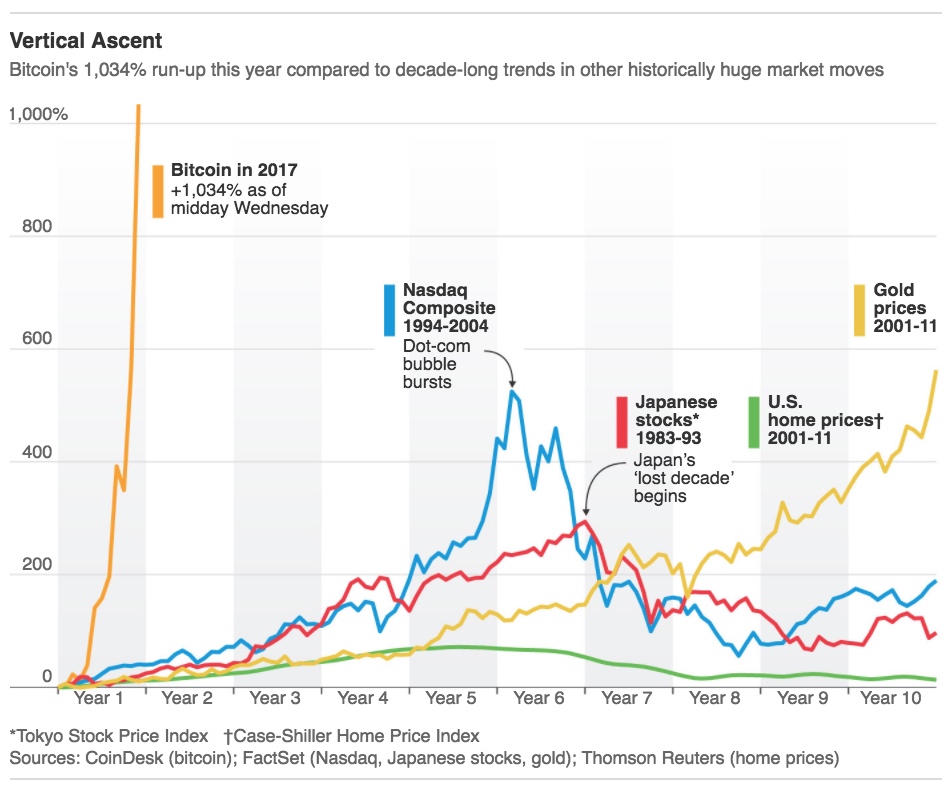
The early years saw gradual adoption, but substantial price movements began around 2017, when Bitcoin surpassed $1,000 for the first time, sparking widespread media attention and investor interest. The subsequent price peak in December 2017, reaching nearly $20,000, was followed by a lengthy bear market that lasted well into 2018. This pattern of boom and bust has been a characteristic of Bitcoin, often influenced by major events.
Major Events Influencing Bitcoin’s Price
Several key events have shaped Bitcoin’s price history, and recognizing these can provide insights into its market behavior.
- The 2017 ICO Boom: Initial Coin Offerings (ICOs) became a popular fundraising method, leading to a massive influx of capital into the cryptocurrency market and propelling Bitcoin’s price to all-time highs.
- Regulatory Developments: Announcements of regulatory stances by governments worldwide have often led to immediate market reactions, whether it’s positive sentiment from regulatory acceptance or negative reactions to crackdowns.
- Institutional Adoption: Increased interest from institutional investors, particularly in 2020 and 2021, has significantly influenced Bitcoin’s legitimacy and price, as seen with companies like MicroStrategy and Tesla adding Bitcoin to their balance sheets.
- Global Economic Events: Economic uncertainty, such as the COVID-19 pandemic, led to a surge in Bitcoin’s appeal as a hedge against inflation, further driving demand and price increases.
Implications of Bitcoin Halving Events
Bitcoin halving events occur approximately every four years and reduce the reward miners receive for adding new blocks to the blockchain by half. Historically, these events have had a profound impact on Bitcoin’s price due to the reduced supply of new coins entering the market.
- Supply Shock: By limiting the number of new Bitcoins generated, halving creates an intrinsic scarcity, potentially leading to increased demand and higher prices if market conditions remain favorable.
- Market Anticipation: Traders often anticipate price increases leading up to a halving, resulting in pre-halving rallies. This phenomenon was evident before the halving events in 2012, 2016, and 2020, where substantial price increases were recorded.
- Long-Term Value Perception: Each halving event has historically resulted in new all-time highs in the following months or years, reinforcing Bitcoin’s perception as a long-term store of value.
“Bitcoin’s halving events are not just technical adjustments; they are pivotal moments that can redefine market dynamics.”
Factors Influencing Bitcoin’s Future Price
As Bitcoin continues to gain traction as a major asset in the global financial landscape, its future price will be influenced by various factors. Understanding these influences is crucial for investors and enthusiasts alike. This section delves into the significant elements that could steer Bitcoin’s market value as we approach 2025.
Impact of Regulatory Changes on Bitcoin’s Market Value
Regulatory changes play a pivotal role in shaping the landscape of cryptocurrency, including Bitcoin. Governments around the world are actively devising frameworks to manage and regulate cryptocurrencies, which can significantly affect Bitcoin’s market value. For instance, the introduction of stricter regulations may lead to increased compliance costs for businesses dealing with Bitcoin, potentially reducing its attractiveness as an investment. Conversely, clear and supportive regulations can enhance market confidence, encouraging institutional investments and broader adoption.
“The regulatory environment can either stifle innovation or foster a healthy ecosystem for cryptocurrencies.”
Notable examples include the differing approaches taken by various countries. For instance, El Salvador’s decision to adopt Bitcoin as legal tender increased its market value, while China’s crackdown on cryptocurrency mining and trading led to a substantial drop in prices.
Technological Advancements in Blockchain
Innovations within the blockchain technology that underpins Bitcoin are crucial for its evolution and price trajectory. Upgrades such as the Lightning Network aim to enhance transaction speed and scalability, making Bitcoin more practical for everyday use. Such technological enhancements can attract more users and investors, driving demand and subsequently raising the price. Moreover, developments in interoperability and cross-chain solutions may facilitate seamless transactions between Bitcoin and other cryptocurrencies, further strengthening its position in the market.
“Technological improvements can significantly boost Bitcoin’s usability and market appeal.”
For example, the implementation of Taproot, which enhances privacy and smart contract capabilities, is expected to positively influence Bitcoin’s adoption among tech-savvy investors.
Economic Factors Affecting Bitcoin
Economic factors, such as inflation rates and overall market stability, play an important role in Bitcoin’s price dynamics. As traditional fiat currencies face inflationary pressures, particularly in times of economic uncertainty, investors may turn to Bitcoin as a hedge against inflation. This trend reflects Bitcoin’s perceived scarcity, with a capped supply of 21 million coins, making it an appealing alternative to fiat currencies that can be printed without limit.
Additionally, during economic downturns, Bitcoin has the potential to act as a safe haven asset, similar to gold.
“Bitcoin’s allure as a hedge against inflation could drive its value upward in turbulent economic times.”
Historical trends indicate that during periods of significant inflation, Bitcoin’s price has experienced substantial increases. For instance, during the pandemic-era stimulus measures, Bitcoin saw a notable surge as investors sought alternatives to depreciating fiat currencies.
Expert Opinions on Bitcoin Forecast for 2025
The landscape of Bitcoin and cryptocurrency is ever-evolving, and as we approach 2025, many financial analysts and cryptocurrency experts are weighing in on where Bitcoin might be headed. Their predictions range widely, reflecting a rich tapestry of beliefs about the future of this digital asset. Understanding these expert opinions can provide valuable insights into the market dynamics that are likely to shape Bitcoin’s price in the coming years.Analysts’ predictions often stem from a combination of historical data, current market conditions, and anticipated regulatory changes.
The divergence in forecasts speaks to the inherent uncertainty in the cryptocurrency market. As we explore these expert insights, it becomes clear that various factors, including technological advancements and macroeconomic conditions, will play a significant role in Bitcoin’s price trajectory by 2025.
Predictions from Financial Analysts
A diverse group of financial analysts offers varying predictions for Bitcoin’s price by 2025, each grounded in different methodologies and market assessments.
- Peter Brandt, a veteran trader and analyst, has projected that Bitcoin could reach between $100,000 to $200,000, driven by a potential surge in institutional investment and mainstream adoption. Brandt emphasizes the importance of Bitcoin’s halving events, which historically have led to significant price increases.
- J.P. Morgan analysts suggest a more conservative estimate, forecasting Bitcoin’s price to stabilize around $45,000 to $60,000. Their reasoning is based on the belief that regulatory concerns and increased scrutiny from governments may dampen explosive growth.
- Tim Draper, a well-known venture capitalist, remains bullish, predicting Bitcoin could hit $250,000 by the end of 2025. Draper cites the expanding use cases of Bitcoin, such as its adoption for payments and its role as a store of value in an inflationary environment.
Insights from Cryptocurrency Experts
Cryptocurrency experts focus on different aspects of the Bitcoin ecosystem, offering insights that could influence market shifts leading to 2025.
- Andreas Antonopoulos believes that Bitcoin’s true potential lies in its technology, particularly the development of the Lightning Network, which could facilitate faster transactions and significantly improve scalability. This technological enhancement could attract more users and drive demand.
- Raoul Pal, a macroeconomic strategist, draws parallels between Bitcoin and gold, arguing that as inflation rises and traditional financial systems face challenges, Bitcoin’s appeal as a digital gold will grow, potentially boosting its price significantly.
- Willy Woo, a prominent on-chain analyst, uses data-driven models to predict Bitcoin’s price based on network activity. Woo anticipates that as more people engage with Bitcoin, its price will reflect the increasing utility and user base, potentially reaching upwards of $100,000.
Contrasting Forecasts and Their Reasoning
The contrasting forecasts from analysts and experts highlight the complexities of predicting Bitcoin’s future. Some maintain a bullish outlook, driven by anticipated market adoption and technological advancements, while others remain skeptical due to regulatory hurdles and market volatility.
- Optimistic views often cite historical trends where Bitcoin has rebounded strongly after downturns, suggesting resilience and long-term value in the asset.
- Pessimistic forecasts underscore potential regulatory crackdowns and the impact of macroeconomic factors, such as inflation and interest rate hikes, which could stifle growth.
- Many analyses note that the crypto market operates under different dynamics than traditional markets, making predictions challenging and emphasizing the need for investors to conduct thorough research and remain informed.
“Bitcoin is a volatile asset, and while the potential for significant gains exists, so do the risks.”
Investment Strategies for Bitcoin in 2025
As Bitcoin continues to evolve, adopting sound investment strategies becomes crucial for enthusiasts looking to navigate the dynamic landscape of cryptocurrency. Understanding the nuances of Bitcoin investments can significantly influence portfolio performance in the coming years. This section will explore various strategies tailored for Bitcoin in 2025, focusing on risk management and trading approaches.
Recommended Investment Strategies
Investors should consider a variety of strategies to optimize their Bitcoin investments. Each approach caters to different risk tolerances and market conditions. Here are some recommended strategies to explore:
- Dollar-Cost Averaging (DCA): This strategy involves investing a fixed amount of money in Bitcoin at regular intervals, regardless of its price. This method helps reduce the impact of volatility and allows for a more disciplined investment approach.
- Long-term Holding (HODLing): Many investors believe in the long-term potential of Bitcoin. By holding onto their investments for several years, they aim to benefit from Bitcoin’s price appreciation over time.
- Portfolio Diversification: Diversifying a crypto portfolio by including other cryptocurrencies or assets can mitigate risks associated with Bitcoin’s price fluctuations, ensuring a more balanced investment approach.
- Utilizing Staking and Yield Farming: Some platforms allow Bitcoin holders to earn interest on their holdings through staking or yield farming, providing additional avenues for generating returns.
Risk Management Practices
Effective risk management is essential when investing in Bitcoin due to its inherent volatility. Here are some practices to consider when engaging with Bitcoin investments:
- Setting Stop-Loss Orders: By establishing stop-loss orders, investors can limit potential losses by automatically selling Bitcoin when its price falls to a predetermined level.
- Position Sizing: Properly sizing positions ensures that no single investment disproportionately affects the overall portfolio. Limiting exposure to Bitcoin can help manage risk effectively.
- Regular Portfolio Review: Conducting periodic reviews of the investment portfolio allows investors to assess performance, make necessary adjustments, and stay informed about market trends.
- Staying Informed: Keeping abreast of market news, regulatory changes, and technological advancements in the cryptocurrency space can help investors make informed decisions and adjust strategies accordingly.
Trading Approaches for Bitcoin in 2025
Various trading approaches can be employed when dealing with Bitcoin, catering to different investor styles and market conditions. Here are some effective trading strategies for 2025:
- Day Trading: This short-term strategy involves taking advantage of Bitcoin’s daily price fluctuations. Day traders often execute multiple trades within a single day, aiming for quick profits.
- Swing Trading: Swing traders hold positions for several days or weeks, attempting to capitalize on price movements within a specific trend. This approach requires a good understanding of technical analysis.
- Scalping: Scalping is a high-frequency trading strategy where traders aim to make small profits from minor price changes. This method requires a strict exit strategy and quick decision-making.
- Trend Following: Traders adopting this strategy seek to align their positions with prevailing market trends, either bullish or bearish. This approach relies heavily on technical indicators to identify entry and exit points.
Comparative Analysis of Bitcoin and Other Cryptocurrencies
The cryptocurrency market has evolved tremendously since the inception of Bitcoin. As the pioneer and the largest digital asset by market capitalization, Bitcoin’s trajectory is often compared to that of other cryptocurrencies, notably Ethereum and a variety of emerging altcoins. This analysis delves into Bitcoin’s projected growth relative to its competitors, the potential challenges it may face, and how its position within the broader crypto ecosystem may shift in the coming years.
Projected Growth Comparison
In examining Bitcoin’s future alongside Ethereum, it is crucial to recognize the distinct roles each plays in the market. Bitcoin is often viewed as “digital gold,” primarily serving as a store of value, while Ethereum is known for its smart contract functionality and decentralized applications. As of 2023, Bitcoin has consistently maintained a market dominance of approximately 40-50%. Analysts project that Bitcoin’s price could see notable growth, potentially reaching $100,000 or more by 2025.
In comparison, Ethereum has also garnered significant attention, with projections suggesting it could reach between $7,000 to $10,000, driven by increasing adoption of its network for decentralized finance (DeFi) applications and non-fungible tokens (NFTs).The following points Artikel key factors influencing Bitcoin and Ethereum’s projected growth:
- Institutional Adoption: Major financial institutions are increasingly adopting Bitcoin, which may enhance its credibility and drive demand.
- Technological Developments: Ethereum’s upgrades, such as the transition to Ethereum 2.0, may improve scalability and transaction speeds, influencing its market performance.
- Market Sentiment: Bitcoin’s perception as a safe-haven asset may attract investors during economic uncertainty, potentially boosting its price.
Competition from Emerging Cryptocurrencies
With the rise of new cryptocurrencies, Bitcoin faces increasing competition, especially from projects that address specific market needs or offer innovative technological solutions. Some emerging cryptocurrencies, like Solana and Cardano, have gained traction for their rapid transaction speeds and lower fees, appealing to developers and users alike.The presence of these altcoins introduces competitive dynamics that could impact Bitcoin’s market share.
Here are some notable points regarding the competition:
- Technological Innovations: Newer cryptocurrencies often incorporate advanced technology that can outperform Bitcoin’s transaction capabilities and energy efficiency.
- Community Engagement: Emerging projects with strong community support and governance models may attract developers and users away from Bitcoin.
- Diversification of Use Cases: As more cryptocurrencies target niche markets, Bitcoin’s dominance in the overall market may be challenged.
Bitcoin’s Position Relative to Other Digital Assets
While Bitcoin remains the leader, its position could evolve due to various factors, including regulatory changes, market trends, and the emergence of new technologies. The comparative resilience of Bitcoin’s network, demonstrated through its robust security and established user base, sets it apart, yet adaptability will be critical.Key aspects influencing Bitcoin’s competitive positioning include:
- Regulatory Landscape: Stricter regulations could impact Bitcoin’s price and market penetration, providing an advantage to compliant altcoins.
- Market Adaptation: Bitcoin must maintain relevance by evolving alongside technological advancements in the broader cryptocurrency space.
- Network Effects: The more users adopt Bitcoin, the stronger its network becomes, which can create barriers for newer competitors.
Understanding the comparative dynamics between Bitcoin and other cryptocurrencies provides valuable insights into potential future trends and investment strategies within the crypto landscape.
Global Adoption Trends for Bitcoin
The global landscape for Bitcoin adoption is evolving as more regions embrace cryptocurrency as a viable financial instrument. This shift is characterized by increasing interest from both consumers and businesses, driven by various economic, political, and technological factors. Understanding these trends provides insight into how Bitcoin may redefine currency and payment systems in the coming years.Rapid adoption of Bitcoin can be observed in several regions around the world.
Countries experiencing significant growth include:
Regions with Rapid Bitcoin Adoption
The following regions have shown notable increases in Bitcoin adoption, fueled by local economic conditions and favorable regulatory environments:
- Latin America: Countries like El Salvador have made headlines by adopting Bitcoin as legal tender, paving the way for increased acceptance in other nations.
- Africa: Nations such as Nigeria and Kenya are witnessing a surge in Bitcoin users due to limited access to traditional banking services and a growing interest in digital currencies.
- North America: The United States continues to lead in Bitcoin adoption, with a large number of businesses accepting it as payment and a robust investment ecosystem.
- Europe: Countries like Germany and Switzerland are fostering a favorable regulatory environment that encourages Bitcoin transactions and investments.
The factors driving global adoption of Bitcoin as a payment method are multifaceted. These include:
Factors Driving Global Adoption of Bitcoin
Several key elements are contributing to the increasing acceptance of Bitcoin worldwide:
- Financial Inclusion: Bitcoin offers a way to access financial services for unbanked populations, allowing them to participate in the global economy.
- Inflation Hedge: In countries facing hyperinflation, Bitcoin serves as a more stable store of value compared to local currencies.
- Decentralization: The appeal of a currency that is not controlled by a central authority attracts individuals looking for autonomy over their finances.
- Technological Advancements: Innovations in blockchain technology and payment systems make it easier for users to transact with Bitcoin.
Businesses play a crucial role in promoting Bitcoin usage worldwide. Their engagement and acceptance of Bitcoin as a payment method can significantly influence consumer behavior and market trends.
Business Role in Promoting Bitcoin Usage
The involvement of businesses in the Bitcoin ecosystem is essential for fostering wider acceptance. Businesses are increasingly integrating Bitcoin into their payment options for several reasons:
- Attracting Tech-Savvy Customers: Offering Bitcoin payments appeals to younger consumers who prefer digital currencies and blockchain technology.
- Lower Transaction Fees: Businesses save on transaction costs compared to traditional credit card processing fees, making Bitcoin an attractive payment alternative.
- Global Reach: Bitcoin allows businesses to reach international customers without the complexities of currency conversion.
- Brand Loyalty: Accepting Bitcoin can enhance a company’s image as progressive and innovative, attracting a loyal customer base.
Overall, the trends in global Bitcoin adoption reflect a significant shift in financial landscapes and consumer behavior. As more regions embrace Bitcoin and businesses begin to adopt it, the cryptocurrency is poised to become a more integral part of everyday transactions and financial dealings.
Potential Risks and Challenges Ahead
Investing in Bitcoin can be enticing, but it’s essential to understand the potential risks and challenges that may arise as we approach 2025. As the cryptocurrency market continues to mature, several factors could impact Bitcoin’s stability and investor confidence. This segment will delve into some of these risks, including technological vulnerabilities, market dynamics, and broader economic influences.
Technological Vulnerabilities and Security Concerns
Bitcoin, while innovative, is not immune to technological vulnerabilities that could jeopardize its integrity and security. Key concerns in this area include:
- Smart Contract Risks: Although Bitcoin primarily functions as a currency, the growing trend of integrating smart contracts presents potential security loopholes that could be exploited.
- 51% Attacks: If a single entity gains control of over 50% of the network’s mining power, it could manipulate transactions and double-spend coins, leading to significant losses for investors.
- Wallet Security: Many investors store their Bitcoin in digital wallets, which can be subject to hacking. The absence of robust security measures may lead to theft and loss of funds.
- Regulatory Changes: Sudden regulatory changes or crackdowns on exchanges may create vulnerabilities in the trading infrastructure, affecting users’ access to their funds.
Market Volatility and Its Implications for Investors
Bitcoin is notoriously volatile, with price fluctuations that can be dramatic and swift. Understanding this volatility is crucial for investors looking to navigate the market effectively. Factors contributing to Bitcoin’s volatility include:
- Market Sentiment: Investor emotions and market news can lead to significant price swings. Positive news can drive prices up, while negative press can lead to rapid declines.
- Liquidity Issues: In times of lower trading volumes, even minor trades can lead to substantial price changes, making it difficult for investors to enter or exit positions without incurring losses.
- External Economic Factors: Global economic indicators, inflation rates, and geopolitical tensions can impact investor confidence, leading to increased volatility in Bitcoin prices.
“The volatility of Bitcoin can create opportunities for profit but also poses substantial risks to those unprepared for sudden market shifts.”
Future Technological Developments Impacting Bitcoin
As Bitcoin continues to evolve, technological advancements play a crucial role in shaping its future. The blockchain technology underlying Bitcoin is dynamic, and several anticipated developments are poised to enhance its functionality, security, and overall user experience. Understanding these innovations will provide valuable insights into Bitcoin’s trajectory heading into 2025 and beyond.
Anticipated Technological Advancements in Blockchain Technology
The future of Bitcoin is closely tied to several key advancements in blockchain technology. These innovations focus on improving scalability, transaction speed, and security, which are essential for broader adoption and usability. The following are notable advancements expected to impact Bitcoin’s landscape:
- Sharding: This technique involves partitioning the blockchain into smaller, more manageable pieces or shards. By enabling parallel processing, sharding can significantly increase transaction throughput, reducing congestion on the network.
- Interoperability Protocols: Enhancements that allow different blockchain networks to communicate and share data seamlessly can lead to a more integrated crypto ecosystem. This will facilitate the exchange of value and information across platforms, benefiting Bitcoin’s usability.
- Privacy Enhancements: Technologies like zk-SNARKs (Zero-Knowledge Succinct Non-Interactive Arguments of Knowledge) could provide users with the ability to conduct transactions without revealing their identities, making Bitcoin transactions more secure and private.
- Quantum Resistance: As quantum computing advances, developing quantum-resistant cryptographic algorithms will be vital for securing Bitcoin against potential future threats posed by quantum computers.
Significance of Layer 2 Solutions for Bitcoin Scalability
Layer 2 solutions are crucial in addressing Bitcoin’s scalability challenges, allowing for more transactions to be processed off the main blockchain without sacrificing security. These solutions work by creating secondary frameworks that handle transactions, thereby reducing the load on the primary Bitcoin network. Notable Layer 2 solutions include:
- Lightning Network: The Lightning Network enables instant, low-fee transactions by allowing users to create off-chain payment channels. This technology can significantly enhance Bitcoin’s ability to scale, facilitating microtransactions and everyday purchases.
- Liquid Network: Developed by Blockstream, the Liquid Network is a sidechain that enables faster transactions and increased privacy. It is designed for exchanges and institutions, allowing for quicker settlement times while retaining Bitcoin’s inherent security features.
Innovations in Wallet Security and Transaction Processing
As Bitcoin adoption grows, so does the need for enhanced security measures and efficient transaction processing. Innovations in these areas are vital for protecting users and ensuring seamless experiences. Key advancements include:
- Multi-Signature Wallets: These wallets require multiple keys to authorize a transaction, providing an added layer of security against theft and unauthorized access. They are particularly advantageous for businesses managing significant Bitcoin holdings.
- Hardware Wallets: Combining physical devices and software interfaces, hardware wallets store private keys offline, significantly reducing the risk of hacking and malware attacks. These devices are becoming increasingly popular among investors for their robust security features.
- Transaction batching: This method allows multiple transactions to be bundled into a single transaction, reducing fees and improving processing times. As more users adopt Bitcoin, transaction batching will become essential for maintaining efficiency.
Societal and Regulatory Changes Affecting Bitcoin
The landscape of Bitcoin and other cryptocurrencies is continuously evolving, shaped significantly by societal perceptions and regulatory frameworks. As Bitcoin gains traction, its relationship with society and government policies will play a crucial role in determining its future trajectory. Understanding these dynamics is essential for investors and enthusiasts alike, as they will both influence market behaviors and dictate the operational environment for digital assets.
Anticipated Regulations and Their Impact on Bitcoin Trading
The regulatory landscape for Bitcoin is expected to undergo substantial changes in the coming years. Governments around the world are recognizing the need for regulatory clarity in order to protect consumers and ensure market integrity. Some of the anticipated regulations include:
- Implementation of stricter KYC (Know Your Customer) and AML (Anti-Money Laundering) regulations to monitor and control transactions.
- Taxation policies that require cryptocurrency profits to be reported and taxed, which could impact trading behaviors.
- Licensing requirements for cryptocurrency exchanges, leading to increased operational costs but potentially enhanced consumer protection.
- Global collaboration among countries to standardize regulations, fostering a more stable environment for investors.
These changes are likely to create a more secure trading environment, though they may also introduce challenges related to compliance and market access.
Shifts in Societal Perception Towards Cryptocurrencies
Societal attitudes towards Bitcoin and cryptocurrencies have shifted remarkably over the past few years. Initially viewed with skepticism, these digital assets are increasingly recognized as legitimate investment vehicles. Influencing factors include:
- The growing acceptance of Bitcoin by major corporations, such as Tesla and Square, which has lent credibility to the cryptocurrency.
- Increased media coverage and education surrounding blockchain technology, helping to demystify how cryptocurrencies function.
- The rise of decentralized finance (DeFi) platforms that have showcased the potential of cryptocurrencies beyond simple transactions.
- Wider adoption by millennials and younger generations, who are more inclined to invest in digital assets as part of their financial portfolios.
These shifts indicate a broader acceptance of Bitcoin as a mainstream asset, which could further accelerate its adoption.
Governmental Stances Towards Bitcoin and Digital Assets
Governments worldwide are taking varied approaches towards Bitcoin and cryptocurrencies, reflecting their unique economic and regulatory priorities. Some of the notable stances include:
- The United States has been focusing on developing comprehensive policies that balance innovation with consumer protection, including discussions around Bitcoin ETFs (Exchange-Traded Funds).
- Countries like El Salvador have embraced Bitcoin as legal tender, promoting its usage within their economies.
- Meanwhile, nations such as China have taken a more restrictive approach, implementing bans on cryptocurrency mining and trading.
- European countries are exploring frameworks for regulating digital assets, aiming to protect investors while encouraging innovation.
These diverse governmental approaches will shape the global cryptocurrency landscape, influencing investment flows and technological advancements in Bitcoin and beyond.
Wrap-Up
In conclusion, the outlook for Bitcoin in 2025 is shaped by a complex interplay of historical trends, expert predictions, and emerging technologies. As investors navigate potential risks and opportunities, staying informed will be key to capitalizing on Bitcoin’s ever-changing landscape.
Key Questions Answered
What is the current price of Bitcoin?
The current price of Bitcoin fluctuates frequently; please check a reliable financial news source for real-time data.
How will regulatory changes affect Bitcoin?
Regulatory changes could either enhance Bitcoin’s legitimacy and adoption or introduce restrictions that may impact its market value.
What are the risks of investing in Bitcoin?
Investing in Bitcoin carries risks such as market volatility, regulatory uncertainties, and technological vulnerabilities.
Can Bitcoin be used for everyday purchases?
Yes, Bitcoin is increasingly accepted by various merchants and businesses as a payment method, though its use is not yet universal.
What are the main factors influencing Bitcoin’s price?
Key factors include market demand, regulatory developments, technological advancements, and macroeconomic conditions.