September 1, 2026

investment

Cryptocurrency coins types are becoming increasingly significant in today’s financial landscape, capturing the attention of investors, tech enthusiasts, and everyday users alike. With the rise of digital currencies, understanding the various types and their unique functionalities is essential for navigating this evolving space.

From the pioneering Bitcoin to a plethora of altcoins and tokens, the cryptocurrency ecosystem is diverse and dynamic. This exploration delves into the major categories of coins available, their purposes, and how they are shaping the future of finance.

Overview of Cryptocurrency Coins

A Complete Guide to Cryptocurrency | The Motley Fool

Cryptocurrency has reshaped the financial landscape, introducing a decentralized form of currency that operates on blockchain technology. This innovation has made transactions more secure, transparent, and efficient, leading to a shift away from traditional banking systems. Understanding cryptocurrency is essential in today’s digital economy, as it holds the potential to revolutionize how we perceive and use money.Since the launch of Bitcoin in 2009, cryptocurrency coins have evolved significantly.

Initially, Bitcoin was the sole player in the digital currency space, but as its popularity surged, thousands of alternative coins (altcoins) emerged, each with unique features and purposes. This evolution reflects a growing recognition of the various applications of blockchain technology beyond just a medium of exchange, paving the way for an expansive cryptocurrency ecosystem.The major types of cryptocurrency coins available today include Bitcoin, altcoins, and tokens, each serving distinct functions.

Bitcoin remains the most recognized and valuable cryptocurrency, while altcoins offer alternative solutions, often addressing specific market needs. Tokens, on the other hand, are typically built on existing blockchains and can represent assets or facilitate services within a certain ecosystem.

Types of Cryptocurrency Coins

Cryptocurrency coins can be broadly classified into three main categories: Bitcoin, altcoins, and tokens. Each category has its own characteristics and applications.

  • Bitcoin: The first and most widely-used cryptocurrency, known for its role as a digital store of value.
  • Altcoins: Includes all cryptocurrencies other than Bitcoin, such as Ethereum, Litecoin, and Ripple, each offering unique functionalities and innovations.
  • Tokens: These are cryptocurrencies that operate on existing blockchains, often representing assets or providing access to services.

The market also distinguishes between utility tokens and security tokens. Utility tokens provide users access to a product or service within a specific platform, while security tokens represent ownership in an asset and are subject to regulatory scrutiny. Understanding the differences between these token types is crucial for investors and users alike.Here’s a comparative table showcasing some top cryptocurrencies and their features:

Cryptocurrency Market Cap Use Case Consensus Mechanism
Bitcoin $800 Billion Digital Gold Proof of Work
Ethereum $400 Billion Smart Contracts Proof of Stake
Ripple $30 Billion Cross-Border Payments Consensus Protocol
Litecoin $12 Billion Peer-to-Peer Transactions Proof of Work

Functionality of Different Coins

Cryptocurrency and Cyber Security Analysis - Moody Insurance Worldwide

Cryptocurrency coins are designed with various functionalities that cater to different needs and industries. Each coin holds specific features that enhance its usability and application.For example:

  • Some cryptocurrencies are tailored for financial transactions, such as Bitcoin and Litecoin, which focus on facilitating peer-to-peer payments.
  • Others, like Ethereum, enable the creation of decentralized applications (DApps) through smart contracts, allowing for automated agreements without intermediaries.
  • Additionally, coins like VeChain are designed specifically for supply chain management, enhancing transparency and efficiency in logistics.

Benefits and drawbacks of using different types of coins include:

  • Benefits:
    • Enhanced security through decentralized systems.
    • Lower transaction fees compared to traditional banking.
    • Increased accessibility for unbanked populations.
  • Drawbacks:
    • Volatility in prices can lead to potential losses.
    • Lack of regulation may expose users to fraud.
    • Technical barriers for new users entering the space.

Market Trends and Adoption

The cryptocurrency market is characterized by rapid changes and emerging trends that influence the adoption of different coin types. Currently, there is a noticeable shift toward institutional investment in cryptocurrencies, with major companies and financial institutions entering the market to diversify their portfolios.The growing acceptance of cryptocurrency by businesses is evident, with companies like Tesla, Microsoft, and PayPal starting to accept digital currencies as payment for products and services.

This trend signifies a broader acceptance of cryptocurrencies as legitimate forms of payment, further integrating them into everyday transactions.Major companies that accept cryptocurrency include:

  • Microsoft – Accepts Bitcoin for Xbox games and applications.
  • PayPal – Allows users to buy, sell, and hold cryptocurrencies.
  • Tesla – Initially accepted Bitcoin for vehicle purchases.
  • AT&T – Offers customers the ability to pay their bills with cryptocurrency.

Investment Strategies for Cryptocurrency Coins

When considering investments in cryptocurrency, potential investors should navigate carefully through the diverse offerings. Here are some guidelines for selecting between different types of coins:

  • Conduct thorough research on the coin’s purpose and technology.
  • Analyze the team behind the project and their track record in the industry.
  • Assess market trends and historical performance of the coin.
  • Consider the community and ecosystem surrounding the cryptocurrency.

Investors should perform due diligence by following a step-by-step procedure that includes:

  • Identifying the coin’s white paper and understanding its objectives.
  • Evaluating market capitalization and trading volume.
  • Examining partnerships and collaborations within the industry.
  • Keeping an eye on regulatory developments affecting the coin.

Moreover, managing risks is essential in cryptocurrency trading. Techniques such as setting stop-loss orders, diversifying investments, and keeping abreast of market news can help mitigate potential losses.

Regulatory Environment for Cryptocurrency

The regulatory landscape for cryptocurrency coins varies significantly across regions. Governments are increasingly recognizing the need to establish regulations that can provide oversight while fostering innovation in the crypto space. Challenges presented by regulations include the potential for restrictive measures that may hinder growth and innovation. However, regulations can also create opportunities by establishing a framework for legitimacy, making it easier for institutional investors to engage with cryptocurrency markets.The impact of regulations on the development and adoption of new cryptocurrencies is profound, as clarity in legal frameworks can encourage more projects to launch and gain traction within the market.

Future of Cryptocurrency Coins

As the cryptocurrency landscape continues to evolve, several potential trends may shape the future of different types of coins. Innovations in blockchain technology, such as interoperability between different networks, and advancements in privacy features could significantly impact how cryptocurrencies function.Emerging technologies, including artificial intelligence and the Internet of Things (IoT), could influence the evolution of cryptocurrencies by enabling new applications and enhancing existing functionalities.

Predictions from industry experts regarding the future landscape of cryptocurrency include:

  • Increased institutional adoption as regulatory frameworks become clear.
  • Growth in the use of Central Bank Digital Currencies (CBDCs).
  • More focus on sustainable and energy-efficient blockchain solutions.
  • Integration of cryptocurrencies into everyday financial services, enhancing user experience.

Closure

In conclusion, cryptocurrency coins types present a fascinating array of options for users and investors alike. As the market continues to grow and evolve, staying informed about the different functionalities and trends can empower individuals to make educated decisions in this exciting financial frontier.

Essential FAQs

What are the main types of cryptocurrency coins?

The main types include Bitcoin, altcoins, and tokens, each serving different purposes within the cryptocurrency ecosystem.

How do utility tokens differ from security tokens?

Utility tokens provide access to a product or service, while security tokens represent ownership in an asset or company and are subject to regulatory scrutiny.

What factors should I consider when investing in cryptocurrencies?

Consider factors like market cap, use case, technology, and the overall market trends before making investment decisions.

How are cryptocurrencies regulated in different regions?

Regulation varies significantly by region, with some countries embracing cryptocurrencies and others imposing strict regulations or outright bans.

What is the future outlook for cryptocurrency coins?

The future may see increased adoption, technological advancements, and more regulatory clarity, shaping the way cryptocurrencies function and are perceived globally.

Bitcoin price today in uk sets the stage for this enthralling narrative, offering readers a glimpse into a story that is rich in detail and brimming with originality from the outset. As the cryptocurrency market continues to evolve, understanding the current state of bitcoin pricing in the UK is essential for investors and enthusiasts alike. This includes not only the latest price figures but also the factors driving these fluctuations, trending movements, and how they compare to other cryptocurrencies.

Today, bitcoin stands as a crucial player in the digital currency arena, impacted by various elements such as market trends, regulatory news, and investor sentiment. By delving into the current pricing landscape, we can gain valuable insights into what influences the market and what potential future developments may unfold.

Current State of Bitcoin Pricing in the UK

Bitcoin continues to captivate investors and casual observers alike, particularly in the UK, where its price reflects a dynamic interplay of market forces. As of today, the price of Bitcoin in the UK stands at approximately £30,000, with fluctuations observed throughout the day. This valuation is influenced by various factors including market demand, investor sentiment, and global macroeconomic indicators.Several elements play a pivotal role in determining Bitcoin’s price today.

The ongoing adoption of cryptocurrencies by financial institutions has bolstered confidence among investors. Moreover, market trends show increased participation by retail investors, which has contributed to the current price variation. Recent movements in Bitcoin pricing indicate a mild upward trend over the past week, illustrating market resilience despite external pressures.

Historical Bitcoin Price Trends in the UK

Over the past year, Bitcoin’s price in the UK has seen significant fluctuations. Starting at around £20,000 last year, the digital currency experienced a notable surge towards £40,000, followed by corrections due to market speculation and regulatory news. Events such as changes in interest rates and international economic conditions have greatly influenced these price movements.Key historical events that impacted Bitcoin pricing include regulatory announcements from the UK government, as well as technological advancements within the blockchain space.

Additionally, the global pandemic’s economic repercussions have prompted many individuals to turn to Bitcoin as a hedge against inflation, further driving its price fluctuations.

Comparisons with Other Cryptocurrencies

When comparing Bitcoin’s price with other major cryptocurrencies such as Ethereum and Litecoin, Bitcoin remains the dominant player in the market. Currently, Bitcoin’s market capitalization stands at approximately £550 billion, far exceeding Ethereum’s £220 billion and Litecoin’s £12 billion. This significant difference highlights Bitcoin’s role as a market leader in the UK.Price correlations between Bitcoin and altcoins have been notable, especially during market rallies.

For instance, when Bitcoin hit a new price high, Ethereum and other altcoins often followed, albeit with varying degrees of intensity. These correlations suggest that Bitcoin continues to set the market tone for other cryptocurrencies.

Market Analysis Techniques

Understanding Bitcoin price movements in the UK requires a combination of technical and fundamental analysis. Technical analysis involves studying price charts and using indicators to forecast future price movements. Tools such as moving averages, RSI (Relative Strength Index), and Fibonacci retracement levels are commonly employed by traders.Fundamental analysis encompasses evaluating Bitcoin’s underlying value based on network activity, transaction volume, and macroeconomic trends.

Analysts look at metrics such as hash rate and wallet addresses to gauge the overall health of the Bitcoin network and its potential for future growth.

Impact of News and Events

Recent news events have markedly influenced Bitcoin prices in the UK. For example, announcements regarding regulatory frameworks or institutional investments have led to immediate price movements. Social media trends also play a crucial role; discussions on platforms like Twitter can generate significant buzz, causing price spikes or drops.Furthermore, any regulatory developments, such as the UK’s stance on cryptocurrency taxation or exchanges, can have a lasting impact on Bitcoin’s perceived value.

Investors closely monitor these developments to adjust their strategies accordingly.

Investment Strategies for Bitcoin

Investing in Bitcoin requires well-thought-out strategies, especially given its volatile nature. One effective approach is dollar-cost averaging, which involves regularly purchasing Bitcoin regardless of its price to mitigate the impact of volatility over time. Risk management techniques such as setting stop-loss orders can help investors protect their capital. It’s also essential to stay informed about market conditions and developments affecting Bitcoin prices.

Various platforms and tools, including trading apps and cryptocurrency exchanges, facilitate Bitcoin trading in the UK, making it accessible to both experienced traders and beginners.

Future Price Predictions

Experts have varied predictions regarding Bitcoin’s future pricing in the UK. While some analysts anticipate a bullish market, projecting prices to exceed £50,000 within the next year, others caution against potential corrections that may occur due to regulatory changes or market dynamics.Potential market conditions that could affect future prices include increased institutional adoption, technological advancements, and macroeconomic factors such as inflation and interest rates.

The ongoing evolution of the global financial landscape suggests that Bitcoin may continue to adapt and redefine its role in the UK economy.

Summary

In summary, grasping the intricacies of bitcoin price today in the UK provides a comprehensive understanding of the current crypto market’s dynamics. With ongoing developments and expert predictions, it is crucial for investors to stay informed and adapt their strategies accordingly. As we witness the ever-changing landscape of digital currencies, keeping an eye on bitcoin will remain indispensable for anyone looking to navigate this fascinating realm.

FAQ Explained

What is the current bitcoin price today in the UK?

The current bitcoin price in the UK fluctuates frequently, so it’s best to check a reliable crypto exchange for real-time values.

What factors influence the bitcoin price today in the UK?

Factors include market demand, investor sentiment, regulatory news, and economic indicators.

How does bitcoin price today compare to last year?

Bitcoin’s price has experienced significant volatility over the past year, with notable highs and lows driven by various market events.

Which platforms are best for trading bitcoin in the UK?

Popular platforms include Coinbase, Binance, and Kraken, which are known for their user-friendly interfaces and security features.

What are some risks associated with investing in bitcoin today?

Risks include price volatility, regulatory changes, and potential security breaches on exchanges.

Bitcoin value today continues to captivate investors and enthusiasts alike, showcasing its dynamic nature in the cryptocurrency market. As the leading digital currency, Bitcoin’s fluctuations are influenced by a myriad of factors, from global economic indicators to market sentiment, making it essential for anyone interested in finance to stay informed.

The current landscape reveals not only the performance metrics of Bitcoin but also the underlying elements that drive its price. With various exchanges playing a pivotal role in trading, understanding these components can provide valuable insights for both seasoned investors and newcomers.

Current Bitcoin Market Overview

As of today, Bitcoin remains a prominent figure in the cryptocurrency market, drawing attention from investors and enthusiasts alike. Its value fluctuates regularly due to various economic indicators and market sentiments, reflecting both the volatility characteristic of cryptocurrency and the broader financial landscape. Analyzing the current market performance provides insights into Bitcoin’s stability and growth potential.Several factors play a critical role in influencing Bitcoin’s value today.

Among these, market sentiment, regulatory developments, and macroeconomic trends are significant. The recent surge in institutional investment has created an uptick in demand, while ongoing discussions about regulations across different countries remain pivotal in shaping investor confidence. Furthermore, geopolitical events and inflation rates continue to affect the cryptocurrency’s performance, demonstrating a strong correlation between Bitcoin and traditional financial markets.

Top Exchanges for Bitcoin Trading

Identifying the leading exchanges for Bitcoin trading is crucial, as these platforms significantly impact pricing and liquidity. The top exchanges facilitate the majority of Bitcoin transactions, creating a competitive environment that affects the overall market.The following exchanges are recognized as leaders in Bitcoin trading:

  • Binance: Known for its extensive selection of cryptocurrencies and high trading volume, Binance plays a central role in Bitcoin price determination through its vast user base and liquidity.
  • Coinbase: Especially popular among beginners, Coinbase offers a user-friendly interface and strong security features. Its trading volume impacts Bitcoin prices, particularly in the U.S. market.
  • Kraken: Recognized for its robust security measures and a wide range of cryptocurrencies, Kraken attracts serious traders, influencing market movements through its trading pairs.
  • Bitfinex: This exchange is known for its advanced trading options and deep liquidity, making it a preferred choice for professional traders, particularly in the Asian market.

The collective trading volume and activities of these exchanges create a dynamic environment where Bitcoin’s price can be greatly affected by any significant changes, such as trading bans, new listings, or sudden spikes in trading activity. This interconnectedness highlights the importance of monitoring exchange performance for anyone looking to understand Bitcoin’s market behavior.

Understanding the exchange dynamics is vital for predicting potential price movements in Bitcoin.

Historical Bitcoin Trends

Bitcoin has experienced a turbulent yet fascinating journey since its inception in 2009. Launched by an anonymous figure known as Satoshi Nakamoto, Bitcoin emerged as a groundbreaking digital currency. Over the years, it has seen remarkable price fluctuations, influenced by various events and market dynamics, leading to its current valuation. Understanding these historical trends provides critical insights into Bitcoin’s potential future movements and investor behaviors.The historical price movements of Bitcoin reveal a pattern of rapid growth and sharp declines, often referred to as “boom and bust” cycles.

Initially, Bitcoin was traded for less than a dollar. By late 2013, its value surged to around $1,000 for the first time, driven by increasing media attention and growing interest from investors. However, this was followed by significant volatility, with prices plummeting to around $200 in early 2015.

Significant Events Impacting Bitcoin’s Value

Several pivotal events have significantly influenced Bitcoin’s valuation throughout its history. These moments serve as markers that showcase the currency’s responsiveness to external factors.

  • The Silk Road Shutdown (2013): The FBI’s closure of the Silk Road, a dark web marketplace that facilitated Bitcoin transactions, led to a 50% drop in Bitcoin’s value within a few days.
  • The Mt. Gox Hack (2014): One of the largest Bitcoin exchanges at the time, Mt. Gox, was hacked, resulting in the loss of 850,000 Bitcoins and contributing to a steep decline in market trust.
  • The Introduction of Bitcoin Futures (2017): The launch of Bitcoin futures trading on the Chicago Board Options Exchange (CBOE) marked a pivotal moment that increased institutional interest and led to Bitcoin reaching an all-time high of nearly $20,000 in December 2017.
  • Regulatory Developments (2021): Increased scrutiny from governments worldwide, including China’s crackdown on mining operations and the U.S. considering regulatory frameworks, caused significant market fluctuations and price corrections.
  • The COVID-19 Pandemic (2020): The economic uncertainty during the pandemic drove many investors towards Bitcoin as a hedge against inflation, leading to a price rally that saw Bitcoin reach around $64,000 in April 2021.

Bitcoin’s current value can be compared to its price at various significant historical points. For instance, it reached approximately $7,000 in early 2020 and experienced meteoric growth to hit an all-time high of nearly $69,000 in November 2021. This stark contrast highlights not only the volatility inherent in Bitcoin but also its potential for high returns, drawing both retail and institutional investors into the market.

Understanding these historical trends and events enhances our comprehension of why Bitcoin’s value is what it is today, providing context for its potential future trajectory.

Influencing Factors on Bitcoin Value

The price of Bitcoin is shaped by various economic indicators, market sentiment, and regulatory changes. Understanding these influencing factors provides valuable insights into the cryptocurrency’s ever-changing landscape.

Economic Indicators Affecting Bitcoin’s Price

Several economic indicators play a critical role in determining Bitcoin’s price. Factors such as inflation rates, interest rates, and overall economic stability can greatly influence investor behavior and market dynamics.

  • Inflation Rates: High inflation often leads investors to seek alternative assets like Bitcoin as a hedge against currency depreciation. For instance, in economies experiencing significant inflation, we have seen a spike in Bitcoin demand.
  • Interest Rates: The relationship between traditional financial markets and Bitcoin is often influenced by central bank interest rate decisions. Lower interest rates can make holding assets like Bitcoin more attractive compared to traditional savings.
  • Economic Stability: Global economic uncertainties, such as political instability or financial crises, typically push investors toward Bitcoin as a safe haven asset. During the COVID-19 pandemic, for example, Bitcoin saw a surge in value as uncertainty gripped markets worldwide.

Market Sentiment in Determining Bitcoin’s Value

Market sentiment is a powerful determinant of Bitcoin’s value, often swaying prices based on collective investor psychology.

  • Investor Sentiment: Positive news, such as institutional adoption or technological advancements, tends to drive prices upward. Conversely, negative news, such as fraud allegations or exchange hacks, can lead to sudden price declines.
  • Social Media Influence: Platforms like Twitter and Reddit have become hotspots for cryptocurrency discussions, where viral trends can significantly impact market sentiment. For example, when influential figures endorse Bitcoin, it can lead to rapid price increases.
  • Market Trends: The overall trend in the cryptocurrency market—bullish or bearish—can affect Bitcoin’s price. During bull markets, there’s typically increased buying pressure as optimism prevails.

Regulatory Changes Impacting Bitcoin’s Market

Regulatory developments around the world have a significant impact on Bitcoin’s value and its adoption as a legitimate form of currency.

  • Government Regulations: Clear regulations can provide a safety net for investors and encourage institutional investment. Countries like El Salvador, which embraced Bitcoin as legal tender, saw a notable increase in Bitcoin use and market value.
  • Taxation Policies: How governments tax cryptocurrency transactions can influence investor decisions. Favorable taxation can stimulate market activity, while harsh tax rules may deter investment.
  • Global Regulatory Trends: Changes in policies by major economies, such as the European Union or the United States, can create ripple effects in the global Bitcoin market. For instance, discussions about stricter regulations can lead to uncertainty, causing temporary price drops.

Predictions for Bitcoin’s Future Value

As the cryptocurrency landscape evolves, predictions for Bitcoin’s future value are becoming increasingly intriguing. Analysts and experts continuously assess market trends, technological advancements, and economic factors to provide insights into where Bitcoin might head in the coming years. These predictions are not just speculative; they are based on comprehensive analysis and data-driven assessments that reflect the market’s dynamics.

Technological advancements play a pivotal role in influencing Bitcoin’s future value. Innovations such as the Lightning Network, which aims to enhance transaction speed and reduce costs, are expected to improve Bitcoin’s utility. Additionally, advancements in blockchain technology could lead to increased adoption among businesses and consumers, further driving demand for Bitcoin. Furthermore, regulatory developments worldwide impact investor sentiment and market participation, which can also shape Bitcoin’s price trajectory.

Expert Predictions on Bitcoin’s Price Trajectory

Numerous analysts offer varying predictions regarding Bitcoin’s future price. The following table Artikels different expert forecasts, showcasing the range of opinions on where Bitcoin might be headed.

Analyst Prediction (Year-End Price) Rationale
PlanB $100,000 Based on stock-to-flow model and historical price patterns.
Cathy Wood (ARK Invest) $500,000 Increasing institutional adoption and long-term scarcity.
JPMorgan $146,000 Potential to compete with gold as an alternative asset.
Mike Novogratz $120,000 Expected surge in adoption and mainstream acceptance.
Bitcoin Bull Analysts $250,000 Future bitcoin halving events driving scarcity and demand.

These predictions reflect a spectrum of opinions, highlighting the uncertainty and potential volatility intrinsic to the cryptocurrency market. Each analyst brings a unique perspective, influenced by various factors such as market sentiment, regulatory changes, and technological breakthroughs.

Bitcoin vs. Other Cryptocurrencies

Bitcoin, the first and most recognized cryptocurrency, has dominated the digital currency landscape since its inception in 2009. As of today, it continues to hold a significant place in the market, not only in value but also in influence. This section compares Bitcoin’s current value with other major cryptocurrencies and explores its market share relative to its peers while assessing how Bitcoin’s performance shapes the overall cryptocurrency ecosystem.

Comparison of Bitcoin with Major Cryptocurrencies

Bitcoin’s current value can be compared to other leading cryptocurrencies like Ethereum, Binance Coin, and Cardano. Each of these cryptocurrencies serves different purposes and has distinct use cases, which can lead to variations in their market performance.As of the latest market data:

  • Bitcoin’s value stands at approximately $30,000.
  • Ethereum, the second-largest cryptocurrency, is valued around $2,000.
  • Binance Coin is trading at approximately $400.
  • Cardano holds a value of about $0.50.

These figures highlight Bitcoin’s substantial lead in valuation over its closest competitors, showcasing its status as a market leader.

Bitcoin’s Market Share Relative to Other Digital Currencies

Bitcoin commands a significant portion of the total cryptocurrency market capitalization, often referred to as its market dominance. As of now, Bitcoin’s market share hovers around 45%, indicating that it constitutes nearly half of the entire cryptocurrency market cap. This dominance is indicative of Bitcoin’s established reputation and trust among investors.While other cryptocurrencies have seen increased adoption and growth, they collectively make up the remainder of the market:

  • Ethereum captures about 18% of the total market share.
  • Binance Coin holds around 4%.
  • The remaining cryptocurrencies share the rest, with numerous altcoins competing for attention.

Influence of Bitcoin’s Performance on the Broader Cryptocurrency Market

Bitcoin’s performance is often seen as a bellwether for the entire cryptocurrency market. When Bitcoin’s price rises, it frequently triggers bullish sentiments across other digital currencies, leading to overall market gains. Conversely, a decline in Bitcoin’s value can result in widespread bearish trends throughout the cryptocurrency space.A notable example of this phenomenon occurred during the late 2020 bull run, when Bitcoin’s price surged past $60,000, leading to significant increases in the values of numerous altcoins.

This correlation illustrates how Bitcoin’s market movements can set the tone for investor behavior and market trends.Furthermore, Bitcoin’s scalability issues and transaction speeds have prompted many investors to explore alternatives. As Ethereum moves towards its Ethereum 2.0 upgrade, which aims to improve scalability and transaction efficiency, Bitcoin’s stability and security remain attractive features for many investors.In conclusion, while Bitcoin remains the leading cryptocurrency by value and market share, its influence on the broader cryptocurrency market is profound, shaping trends and sentiments across the entire digital currency landscape.

Investment Strategies for Bitcoin

Investing in Bitcoin can be both exciting and daunting due to its volatility and potential for high returns. However, having effective strategies in place can help navigate the complexities of the market. In this section, we will explore various investment strategies tailored for the current market, the associated risks, and a comparison of potential returns.

Effective Investment Strategies

When investing in Bitcoin, understanding different strategies is crucial for maximizing potential returns while managing risks. Here are some widely recognized strategies:

  • Dollar-Cost Averaging: This approach involves consistently investing a fixed amount in Bitcoin at regular intervals, regardless of its price. This strategy can mitigate the effects of market volatility.
  • HODLing: A popular term in the cryptocurrency community, HODLing entails buying Bitcoin and holding onto it for the long term, based on the belief that its value will increase over time.
  • Trading: Active trading involves buying and selling Bitcoin based on market trends and price fluctuations. This strategy requires a good understanding of market analysis techniques.
  • Utilizing Futures and Options: Investors can also consider trading Bitcoin futures and options, which allow them to bet on future price movements without owning the underlying asset.

Risks Associated with Investing in Bitcoin

Investing in Bitcoin carries inherent risks that potential investors should be aware of. These risks include:

  • Volatility: Bitcoin’s price can fluctuate dramatically in short periods, which can lead to significant losses.
  • Regulatory Risks: Government regulations regarding cryptocurrencies can change, affecting the market and potentially impacting investors negatively.
  • Security Risks: The risk of hacks or security breaches in exchanges or wallets can lead to the loss of funds.
  • Market Manipulation: The relatively unregulated nature of cryptocurrency markets can expose investors to potential manipulation by larger players.

Potential Returns of Various Investment Strategies

Different investment strategies can yield various returns based on market conditions. Below is a table illustrating potential returns for different strategies, assuming an investment of $1,000 in Bitcoin over a 5-year period.

Investment Strategy Potential Return (after 5 years)
Dollar-Cost Averaging $2,500
HODLing $5,000
Active Trading $4,000
Futures and Options $3,000

“The key to successful investing in Bitcoin lies in understanding your risk tolerance and adopting a strategy that aligns with your financial goals.”

Bitcoin’s Impact on Global Economy

Bitcoin has made significant waves in the global economic landscape, transforming how value is perceived and exchanged. As a decentralized digital currency, Bitcoin challenges traditional financial systems and introduces new paradigms for transactions, investment, and wealth distribution. Its influence extends beyond mere speculation, affecting economic trends, financial policies, and social dynamics across the globe.Bitcoin’s role in financial inclusion presents a transformative opportunity for individuals who are unbanked or underbanked.

By providing access to a decentralized financial system, Bitcoin eliminates barriers to entry for many individuals, offering them the ability to store value and participate in global commerce without the need for traditional banking infrastructure.

Countries Adopting Bitcoin

Numerous countries have recognized Bitcoin’s potential and have begun integrating it into their economic frameworks. This adoption has resulted in varied impacts on local economies, illustrating both the opportunities and challenges associated with cryptocurrency.For instance, El Salvador made headlines by becoming the first country to adopt Bitcoin as legal tender in September 2021. This move aimed to enhance financial inclusion, enabling citizens to transact in a digital currency without reliance on traditional banking systems.

As a result, remittances have become cheaper and faster, providing a vital lifeline for many families who depend on funds sent from abroad.Another notable example is Nigeria, which has seen a surge in Bitcoin adoption among its youth, driven by high inflation rates and limited access to fiat currency. The Nigerian economy has experienced a rise in cryptocurrency trading as individuals seek alternative avenues for savings and investment.

This trend is reflective of a broader movement in Africa, where fintech solutions are becoming increasingly popular.In contrast, countries like China have taken a stringent approach by banning cryptocurrency transactions altogether. This action has sparked debates around the potential for innovation versus governmental control and the implications for economic freedom.The varying approaches to Bitcoin adoption illustrate its dual-edged impact on local economies.

While some countries leverage Bitcoin to foster growth and inclusivity, others view it as a threat to their financial stability and control.

Bitcoin embodies a transformative power that can either liberate economies or challenge the status quo of financial governance.

Last Point

In conclusion, comprehending bitcoin value today is crucial for navigating the complexities of the cryptocurrency market. As we look ahead, the interplay of technological advancements, regulatory changes, and investor sentiment will undoubtedly shape Bitcoin’s future, making it an exciting subject for ongoing discussion and analysis.

FAQ

What is the current price of Bitcoin?

The current price of Bitcoin fluctuates continuously; check reliable financial news sources for real-time updates.

Why does Bitcoin’s value change frequently?

Bitcoin’s value changes due to market demand and supply, investor sentiment, regulatory news, and macroeconomic factors.

How can I buy Bitcoin today?

You can buy Bitcoin through various exchanges like Coinbase, Binance, and Kraken, which allow users to trade Bitcoin for fiat currency or other cryptocurrencies.

Is investing in Bitcoin risky?

Yes, investing in Bitcoin involves risk due to its price volatility, regulatory changes, and market speculation.

What factors influence Bitcoin’s price?

Factors include market sentiment, technological developments, regulatory news, and macroeconomic indicators.

Bitcoin, a decentralized digital currency, has gained significant traction. This exploration dives into the intricacies of acquiring Bitcoin using credit cards, focusing on the Reddit community’s insights and experiences. We’ll examine the pros and cons, comparing this method to alternatives, while highlighting security considerations.

The landscape of cryptocurrency transactions is constantly evolving. Understanding the different avenues for purchasing Bitcoin is crucial for anyone considering this investment. This article delves into the nuances of using credit cards, providing a comprehensive overview of the process, risks, and potential rewards.

Introduction to Bitcoin Purchasing

Bitcoin, a decentralized digital currency, operates independently of central banks and governments. Its value is determined by supply and demand, influenced by factors like market sentiment and adoption rates. Unlike traditional currencies, Bitcoin transactions are recorded on a public ledger called a blockchain, enhancing transparency and security.Bitcoin’s emergence represents a significant shift in how we perceive and manage value.

It has become a globally recognized asset class, with both investment opportunities and potential challenges for users.

Methods of Acquiring Bitcoin

Different methods exist for acquiring Bitcoin. Users can purchase Bitcoin directly from exchanges, utilizing various payment methods. These exchanges act as intermediaries, facilitating the buying and selling of Bitcoin. Other methods include peer-to-peer transactions, which can be more complex and involve risks, and staking or mining, although these methods require substantial technical knowledge and computational resources.

Cryptocurrency Exchanges

Cryptocurrency exchanges are platforms that connect buyers and sellers of cryptocurrencies, including Bitcoin. They provide a marketplace for trading Bitcoin and other cryptocurrencies. These platforms offer various features, such as order books, real-time price updates, and deposit/withdrawal options. Users must create an account, verifying their identity to comply with regulations and security protocols. This ensures secure and legitimate transactions.

Intermediaries in Bitcoin Transactions

Intermediaries, such as cryptocurrency exchanges, play a crucial role in facilitating Bitcoin transactions. They act as a bridge between buyers and sellers, handling the technical aspects of the transaction, including security and verification. This reduces the complexity for individual users and enhances the efficiency of the Bitcoin ecosystem.

Step-by-Step Guide to Buying Bitcoin

A basic step-by-step guide for buying Bitcoin includes:

  1. Select a reputable cryptocurrency exchange: Research and choose a platform with strong security measures and user reviews.
  2. Create an account and verify your identity: This crucial step ensures compliance with regulations and protects against fraudulent activities. Verification typically involves providing personal information and documents.
  3. Fund your account: Deposit funds into your exchange account using a supported payment method (like credit cards, bank transfers, or other cryptocurrencies).
  4. Place a market or limit order: Specify the amount of Bitcoin you wish to purchase and the price you’re willing to pay. Market orders execute immediately at the current market price, while limit orders only execute when the price reaches your specified level.
  5. Review and confirm the transaction: Carefully review the transaction details and confirm the purchase to complete the transaction.

History of Bitcoin’s Emergence and Adoption

Bitcoin’s development began with the release of the whitepaper by Satoshi Nakamoto in 2008. The initial adoption was slow, but the growing interest in digital currencies and the rising adoption rates have steadily increased the usage of Bitcoin. Factors like increasing market capitalization, growing community support, and the emergence of various use cases have contributed to the continued adoption and recognition of Bitcoin.

Buying Bitcoin with Credit Cards

Using credit cards to purchase Bitcoin is a readily available option for many users. However, it’s crucial to understand the advantages and disadvantages before making a transaction. This method, while convenient, comes with inherent risks that differ significantly from other methods of acquisition. Carefully weighing these factors is essential for informed decision-making.The ease of use and immediate access often offered by credit card transactions are enticing.

However, a deeper examination reveals a complex interplay of benefits and drawbacks. It’s important to understand these nuances to make a sound decision regarding your Bitcoin investment strategy.

Comparison with Other Methods

Understanding how credit card purchases compare with other methods provides a clearer picture of their suitability. Different methods offer varying degrees of speed, security, and associated fees. For example, bank transfers can be slow, while exchanges often have higher fees for trading cryptocurrencies. A thorough comparison aids in choosing the most appropriate method for your needs.

Advantages of Using Credit Cards

Several advantages contribute to the appeal of using credit cards for Bitcoin purchases. The convenience of immediate access, often coupled with readily available credit limits, can be a significant benefit. This immediate availability allows for quick transactions and potentially faster entry into the cryptocurrency market. Furthermore, some credit cards offer rewards programs, which can translate into additional benefits for Bitcoin purchases.

  • Convenience and Speed: Credit card transactions generally allow for quicker Bitcoin acquisition compared to traditional bank transfers or other methods. This immediate access is often a major advantage for those looking to participate in the market promptly.
  • Potential Rewards Programs: Some credit cards offer rewards programs that can provide additional benefits, such as cashback or points, for Bitcoin purchases. This could translate into financial incentives for adopting this method.
  • Established Infrastructure: Credit card networks are well-established and widely recognized, providing a level of familiarity and security that some alternative methods may not possess.

Potential Drawbacks and Risks

While credit cards offer convenience, they also come with inherent risks. One major concern is the potential for higher transaction fees compared to other methods. Furthermore, the use of credit cards to purchase Bitcoin carries a higher risk of fraud compared to other methods, potentially leading to unexpected charges or unauthorized transactions.

  • Higher Transaction Fees: Credit card processing often incurs higher transaction fees compared to other payment methods, reducing the overall profitability of the Bitcoin purchase. This is an important factor to consider when calculating the total cost of acquiring Bitcoin.
  • Increased Fraud Risk: The use of credit cards introduces a higher risk of fraud compared to other methods. This risk stems from the potential for unauthorized transactions or fraudulent activities targeting credit card information. Security measures and vigilance are paramount.
  • Interest Charges: If the Bitcoin purchase is not paid off in full within the credit card’s billing cycle, interest charges may accrue. This can significantly increase the overall cost of acquiring Bitcoin.

Security Considerations

Ensuring the security of credit card transactions for Bitcoin purchases is paramount. This includes choosing reputable platforms that employ strong security measures, such as encryption and secure payment gateways. It is crucial to regularly monitor credit card statements for any unusual activity.

  • Reputable Platforms: Selecting platforms known for their security and reputable history is crucial. Thorough research and reviews can help determine trustworthy platforms that prioritize security and user protection.
  • Secure Payment Gateways: Platforms utilizing secure payment gateways, such as HTTPS, protect sensitive credit card information during transactions. This safeguards against unauthorized access to financial details.
  • Monitoring Statements: Regularly reviewing credit card statements for any unauthorized transactions is essential. This proactive approach helps identify and address potential security breaches promptly.

Reputable Platforms

Several platforms offer secure Bitcoin purchases using credit cards. Researching and selecting reputable platforms is essential to ensure a safe and secure transaction. These platforms typically have strong security protocols in place to protect user information.

  • Example 1: A specific, well-regarded platform known for secure transactions and user protection.
  • Example 2: Another platform with a strong reputation for reliable and secure Bitcoin purchases via credit cards.

Fees and Transaction Costs

Fees associated with credit card Bitcoin purchases can vary depending on the platform and the specific transaction. These fees should be clearly Artikeld and understood before completing the purchase. A comparison of different platforms is advisable to identify the most cost-effective option.

  • Platform-Specific Fees: Platforms may charge fees that are specific to their services. These fees should be transparently disclosed and understood before initiating a transaction.
  • Credit Card Network Fees: Credit card networks also impose fees, which are often built into the overall transaction cost. Understanding these fees is essential for budgeting purposes.

Reddit Discussion on Bitcoin Credit Card Purchases

Reddit users frequently discuss the nuances of buying Bitcoin with credit cards, offering a diverse range of perspectives. These discussions often highlight both the advantages and pitfalls of this payment method, providing valuable insights for potential buyers. The community’s experiences range from positive transactions to cautionary tales, offering a comprehensive view of the practice.

Common Themes and Perspectives

Reddit threads on Bitcoin credit card purchases frequently reveal a mix of enthusiasm and skepticism. Many users appreciate the convenience of credit card transactions, particularly for those unfamiliar with traditional Bitcoin wallets or exchanges. Conversely, others express concern over the potential risks and fees associated with using credit cards for cryptocurrency purchases. This contrast highlights the need for careful consideration before employing this method.

Pros and Cons of Credit Card Bitcoin Purchases

  • Pros: Convenience is a significant advantage. Users appreciate the ease of purchasing Bitcoin using familiar credit cards, eliminating the need for complex wallet setups. For many, this accessibility is a significant driver for engaging with Bitcoin. Some users also mention the potential for rewards programs associated with their credit cards, potentially offering a small additional benefit beyond the transaction itself.

  • Cons: A frequent concern involves the potential for high transaction fees. These fees, often imposed by both the credit card company and the Bitcoin exchange, can significantly impact the profitability of the purchase. Security risks are also frequently raised, with some users highlighting the potential for fraudulent activity or unauthorized charges. Furthermore, the volatility of Bitcoin’s price, combined with the potential for fluctuations during the transaction, can impact the final cost of the purchase, potentially resulting in a loss or reduced return compared to expected value.

Popular Concerns and Criticisms

  • High Fees: A recurring theme in Reddit discussions is the concern over substantial fees charged by both credit card companies and Bitcoin exchanges. These fees can diminish the overall profit margin and make the transaction less attractive. Users often highlight the importance of carefully comparing these fees across different platforms.
  • Security Risks: The security of credit card information is a significant concern. Users are worried about potential data breaches or unauthorized charges related to Bitcoin purchases. Discussions often recommend utilizing secure payment methods and carefully researching the reputation of the Bitcoin exchange or platform being used.
  • Transaction Volatility: The fluctuating nature of Bitcoin’s price is a frequent source of concern. The price may shift between the moment the transaction is authorized and completed, potentially leading to a different value than anticipated. This concern is often addressed with suggestions for using limit orders or understanding the time frame for completion.

Solutions and Workarounds

  • Comparing Fees: Users frequently advise comparing transaction fees across different credit cards and Bitcoin exchanges. Thorough research is crucial to identify the most cost-effective option. This proactive approach can mitigate the negative impact of excessive fees.
  • Using Secure Payment Methods: Several users recommend employing secure payment methods, including virtual credit cards or dedicated Bitcoin payment cards, to minimize security risks. They stress the importance of using reputable and trusted platforms.
  • Understanding Transaction Times: Many users emphasize the importance of understanding the time frame for transactions. This awareness helps mitigate potential price fluctuations and allows users to make informed decisions.

User Experiences

  • Success Stories: Positive experiences frequently involve users finding convenient and relatively straightforward transactions with minimal issues. These stories often highlight the ease of using credit cards for Bitcoin purchases, particularly for those new to the cryptocurrency market. Users might cite low fees and the convenience factor as significant benefits.
  • Cautionary Tales: Cautionary tales often revolve around substantial fees, security concerns, or unexpected price fluctuations. Users might detail situations where high fees eroded profits or where price changes resulted in a less favorable outcome than expected. These stories highlight the importance of careful consideration before making transactions.

Alternative Methods for Bitcoin Purchase

Beyond credit cards, a range of methods allows individuals to acquire Bitcoin. These alternatives offer varying degrees of convenience, security, and cost. Understanding these options is crucial for making informed decisions.

Bank Transfers and Wire Transfers

Bank transfers and wire transfers are common methods for transferring funds between accounts. This method often involves interacting with a Bitcoin exchange or wallet provider. These transactions typically take a few days to complete, and fees vary based on the bank, the exchange, and the amount being transferred.

  • Advantages: Widely available, often integrated with existing financial infrastructure. Potentially lower transaction fees compared to some other methods.
  • Disadvantages: Slower transaction times than some other methods. Requires careful monitoring to ensure the funds are transferred correctly. Fees can still vary and potentially impact the final cost of acquiring Bitcoin.
  • Transaction Speed: Typically takes several business days. However, this time can vary based on the specific bank and the chosen payment processor.
  • Costs: Bank transfer fees can vary significantly and are influenced by factors such as the amount transferred, the participating banks, and any associated transaction fees.
  • Security: Security relies on the security measures implemented by the bank, exchange, and the user. Using strong passwords, two-factor authentication, and monitoring transactions are crucial.
  • Regulatory Landscape: Regulated by banking and financial regulations, which can differ based on the region and jurisdiction. Compliance with local regulations is essential.

Peer-to-Peer (P2P) Exchanges

P2P exchanges connect buyers and sellers directly, facilitating transactions without intermediaries. This method often involves using a dedicated platform or application.

  • Advantages: Potentially lower fees compared to traditional exchanges. Allows direct interaction between buyers and sellers. Can offer more flexibility in terms of transaction details and payment methods.
  • Disadvantages: Higher risk of scams and fraud compared to exchanges. Requires thorough due diligence when selecting a counterparty. Requires verifying the identity of the other party.
  • Transaction Speed: Can vary greatly depending on the negotiation between the buyer and seller. Can be faster than traditional exchanges but may take longer than instant exchanges.
  • Costs: Transaction fees are often lower than exchange fees, but they can vary widely. Fees can also be influenced by the buyer and seller’s chosen payment method.
  • Security: Requires strong security measures on the platform and individual vigilance by the buyer and seller. Using escrow services and secure communication methods is crucial.
  • Regulatory Landscape: Regulation varies depending on the jurisdiction and platform. Compliance with local regulations is vital.

Gift Cards and Prepaid Cards

Gift cards and prepaid cards can be used for Bitcoin purchases through certain exchanges or platforms. This method often requires an intermediate step.

  • Advantages: May provide a degree of anonymity. Potentially convenient for certain individuals.
  • Disadvantages: Fees and limitations can apply. Security concerns are often present.
  • Transaction Speed: Transaction speed can vary depending on the platform and the specific gift card or prepaid card used. Some methods might be slower than instant exchanges.
  • Costs: Fees can be substantial depending on the exchange or platform used. These fees often impact the final price.
  • Security: Security relies on the security measures implemented by the exchange and the user. Monitoring transactions and using secure platforms are essential.
  • Regulatory Landscape: Regulated by the jurisdictions of the gift card issuer and the exchange.

Other Cryptocurrency Exchanges

Exchanges that support other cryptocurrencies often allow users to exchange those cryptocurrencies for Bitcoin.

  • Advantages: Allows users to leverage existing cryptocurrency holdings. Provides a direct path for exchanging other cryptocurrencies into Bitcoin.
  • Disadvantages: Fees can be substantial depending on the exchange and the cryptocurrency being traded. Requires understanding the different cryptocurrencies and their associated risks.
  • Transaction Speed: Transaction speed is typically faster than some other methods, depending on the exchange’s infrastructure and the volume of transactions.
  • Costs: Exchange fees are often present and can vary depending on the exchange and the amount being traded.
  • Security: Security relies on the security measures implemented by the exchange. Storing and managing digital assets safely is critical.
  • Regulatory Landscape: Regulated by the jurisdictions where the exchanges operate.

Table Comparing Methods

Method Pros Cons Speed Cost
Bank Transfer/Wire Transfer Widely available, potentially lower fees Slow transaction times Days Variable
P2P Exchange Potentially lower fees, direct interaction Higher risk, due diligence needed Variable Variable
Gift Cards/Prepaid Cards Potentially anonymous Fees and limitations, security concerns Variable Variable
Other Cryptocurrency Exchanges Leverage existing crypto holdings Fees, understanding other crypto risks Faster Variable

General Information about Buying Bitcoin

Bitcoin, a decentralized digital currency, requires specific knowledge and tools to purchase and manage. Understanding Bitcoin wallets, exchange platforms, and KYC procedures is crucial for secure and compliant transactions. This section provides a comprehensive overview of these essential aspects.Bitcoin’s popularity stems from its potential for financial freedom and its decentralized nature, but navigating its world demands understanding the supporting infrastructure.

A well-informed approach to purchasing and managing Bitcoin is key to avoiding common pitfalls.

Bitcoin Wallets

Bitcoin wallets are digital repositories that store your Bitcoin private keys, allowing you to send and receive Bitcoin. They are essential for securely managing your cryptocurrency holdings. Different types of wallets cater to various needs and security levels. Choosing the right wallet is crucial for safeguarding your digital assets.

Setting Up a Bitcoin Wallet

Setting up a Bitcoin wallet typically involves downloading software, creating an account, and generating a unique set of cryptographic keys. These keys are your access to your Bitcoin. Security best practices, such as strong passwords and two-factor authentication, are vital for protecting your wallet. Carefully consider the security measures offered by different wallet types.

KYC Procedures in Bitcoin Transactions

Know Your Customer (KYC) procedures are increasingly important in cryptocurrency transactions. They aim to verify user identities to prevent illicit activities. Compliance with KYC regulations is essential for conducting legitimate Bitcoin transactions. This involves providing identification documents and undergoing verification processes.

Bitcoin Exchange Platforms

Bitcoin exchange platforms are online marketplaces that facilitate the buying and selling of Bitcoin. They act as intermediaries, connecting buyers and sellers. Choosing a reputable exchange platform is crucial for ensuring the safety of your transactions. Understanding the different types of exchanges available is critical to selecting the right platform for your needs.

Types of Bitcoin Exchanges

Several types of Bitcoin exchanges cater to diverse needs and preferences. Centralized exchanges operate under a single entity, offering user-friendly interfaces but with potential risks associated with single points of failure. Decentralized exchanges (DEXs) offer more autonomy but come with a steeper learning curve and potentially higher fees. Consider the level of control and security offered by each type.

Comparison of Popular Bitcoin Exchanges

Exchange Features Security Fees
Coinbase User-friendly interface, wide range of services, strong security measures. High security standards, employs multi-layered security protocols. Variable, dependent on transaction type.
Binance Vast trading volume, diverse asset offerings, advanced trading tools. Robust security measures, employs advanced security protocols and cold storage. Variable, dependent on trading volume and trading pairs.
Kraken High trading volume, strong focus on institutional investors, competitive fees. Industry-leading security standards, uses advanced security measures and cold storage. Competitive fees, but can vary.

The table above provides a basic overview of popular exchanges. It’s important to conduct thorough research and consider your individual needs before selecting an exchange. Compare fees, security measures, and available trading options to find the most suitable platform.

Security Considerations When Buying Bitcoin

Purchasing Bitcoin, like any financial transaction, necessitates a high degree of vigilance regarding security. Understanding the inherent risks and employing appropriate precautions can significantly reduce the likelihood of financial loss or personal data compromise. This section delves into crucial security considerations for Bitcoin buyers.Bitcoin transactions, while seemingly straightforward, are susceptible to a multitude of scams and fraudulent activities.

Buyers must remain acutely aware of these threats and adopt a proactive approach to safeguarding their investments and personal information.

Common Bitcoin Purchase Scams

A significant concern for Bitcoin buyers is the prevalence of fraudulent schemes. These scams often exploit the relative anonymity of Bitcoin transactions and the lack of centralized regulation in the market. Common types of scams include phishing attempts, fake exchanges, and “pump and dump” schemes. Phishing emails and websites impersonate legitimate Bitcoin platforms to trick users into revealing sensitive login credentials or private keys.

Fake exchanges often promise high returns or attractive features but ultimately disappear with investors’ funds. Pump-and-dump schemes involve artificially inflating the price of a cryptocurrency, attracting investors, and then quickly selling their holdings to generate profits at the expense of others.

Protecting Your Personal Information and Funds

Protecting personal information and funds is paramount when engaging in Bitcoin transactions. Use strong, unique passwords for all Bitcoin-related accounts. Avoid using easily guessable passwords or reusing passwords from other accounts. Enable two-factor authentication (2FA) wherever possible to add an extra layer of security. Be cautious about sharing personal information on untrusted websites or forums.

Only interact with verified and reputable Bitcoin platforms. Store your private keys securely, and never share them with anyone. Avoid using public Wi-Fi networks for sensitive transactions. Always ensure secure connections when making Bitcoin purchases.

Best Practices for Secure Bitcoin Transactions

Implementing best practices can drastically reduce the risk of financial loss and fraud. Verify the legitimacy of the Bitcoin exchange or platform before making any transactions. Read reviews and check for reputable credentials. Use a secure and reputable Bitcoin wallet. Consider a hardware wallet for increased security.

Never disclose your private keys to anyone. Conduct thorough research before making any investments. Be wary of unusually high returns or promises of easy profits. Always use secure payment methods and ensure secure connections. Never rush into a transaction.

Potential Vulnerabilities and Risks

Bitcoin transactions, while secure, are not entirely immune to vulnerabilities. The decentralized nature of Bitcoin can leave users exposed to risks if proper precautions aren’t taken. Software vulnerabilities in Bitcoin wallets or exchanges can potentially expose users’ funds to theft. Social engineering tactics can be employed to manipulate users into revealing sensitive information. Market fluctuations and price volatility can also affect the value of Bitcoin holdings.

Be aware of the potential for hacking or malware attacks that can compromise your computer or mobile device and steal your Bitcoin.

Steps to Take if You Suspect Fraudulent Activity

If you suspect fraudulent activity, immediate action is crucial. Immediately stop all transactions related to the compromised account. Contact the relevant authorities, such as law enforcement or the platform involved, to report the incident. Change your passwords and enable two-factor authentication on all accounts. Monitor your accounts closely for any unusual activity.

Consider consulting a financial advisor or legal professional for guidance. Document all evidence related to the fraudulent activity. Keep detailed records of your transactions, correspondence, and communication with involved parties.

Illustrative Examples of Bitcoin Purchases

Purchasing Bitcoin involves navigating a digital landscape with various options and potential risks. Understanding legitimate transactions and recognizing fraudulent attempts is crucial for a safe experience. This section provides examples to help you make informed decisions.

Safe and Legitimate Bitcoin Purchase

A secure and legitimate Bitcoin purchase typically involves a reputable exchange platform like Coinbase or Kraken. These platforms employ robust security measures, including two-factor authentication (2FA) and transaction verification.

  • User creates an account on Coinbase, verifying identity through required documentation.
  • User deposits funds into their Coinbase account using a linked bank account or debit/credit card.
  • User selects the Bitcoin purchase option and specifies the amount.
  • Coinbase processes the transaction and credits the user’s account with the acquired Bitcoin.
  • User confirms the transaction details and receives confirmation emails/notifications.

Avoiding Pitfalls: Always double-check transaction details before confirming. Be wary of unsolicited emails or messages promising unusually high returns on Bitcoin investments.

Fraudulent Bitcoin Purchase Attempt

A fraudulent Bitcoin purchase attempt often involves phishing scams or fake websites mimicking legitimate platforms.

  • A user receives an email claiming to be from a Bitcoin exchange, asking for login credentials.
  • The email contains a link to a fraudulent website that looks almost identical to the legitimate exchange site.
  • User enters their login credentials on the fake site, inadvertently providing their login information to scammers.
  • The scammers gain access to the user’s account and steal their Bitcoin.

Steps to Take in Case of Fraud

If you suspect a fraudulent Bitcoin purchase, immediately report the incident to the platform where the purchase was attempted. Contact your bank or financial institution to report any fraudulent activity on your linked accounts.

  • Immediately change your passwords and enable two-factor authentication on all affected accounts.
  • Monitor your accounts for suspicious activity and report any discrepancies.
  • File a complaint with the relevant authorities, such as the Federal Trade Commission (FTC).

Tracking Bitcoin Transactions

Bitcoin transactions are recorded on a public ledger called the blockchain. This allows you to track your Bitcoin movements across different wallets and exchanges. Using blockchain explorers, you can trace your Bitcoin transactions.

  • Use a Bitcoin wallet’s built-in transaction history feature.
  • Utilize dedicated blockchain explorers to view your Bitcoin transactions.
  • Keep a record of your Bitcoin transactions, including dates, amounts, and relevant details.

Bitcoin Purchase Process Visualization

Step Description
1 Create an account on a reputable Bitcoin exchange (e.g., Coinbase).
2 Deposit funds into your exchange account using a supported payment method (e.g., bank transfer).
3 Initiate a Bitcoin purchase by selecting the desired amount.
4 Review and confirm the transaction details, including the amount, fee, and recipient address.
5 The exchange processes the transaction and credits your account with the purchased Bitcoin.

Summary

In conclusion, buying Bitcoin with a credit card on Reddit presents a mixed bag of experiences. While convenience is a draw, security concerns and potential fees are prominent considerations. Alternative methods exist, each with its own set of advantages and disadvantages. Ultimately, informed decision-making is key, and understanding the risks involved is paramount before engaging in any Bitcoin purchase.

Clarifying Questions

Is buying Bitcoin with a credit card safe?

Using credit cards for Bitcoin purchases involves inherent risks. While some platforms offer a degree of security, the potential for fraud and unauthorized transactions exists. Thorough research and due diligence on the chosen platform are crucial.

What are the common concerns raised on Reddit about using credit cards for Bitcoin?

Reddit users often voice concerns about transaction fees, security risks associated with credit card information, and the potential for scams or fraudulent platforms.

What are some alternative methods for buying Bitcoin?

Alternatives to credit cards include using bank transfers, peer-to-peer exchanges, or other cryptocurrency platforms.

How important is KYC (Know Your Customer) in Bitcoin transactions?

KYC procedures are crucial for verifying user identities and preventing illicit activities. They are a standard security measure in the cryptocurrency space.

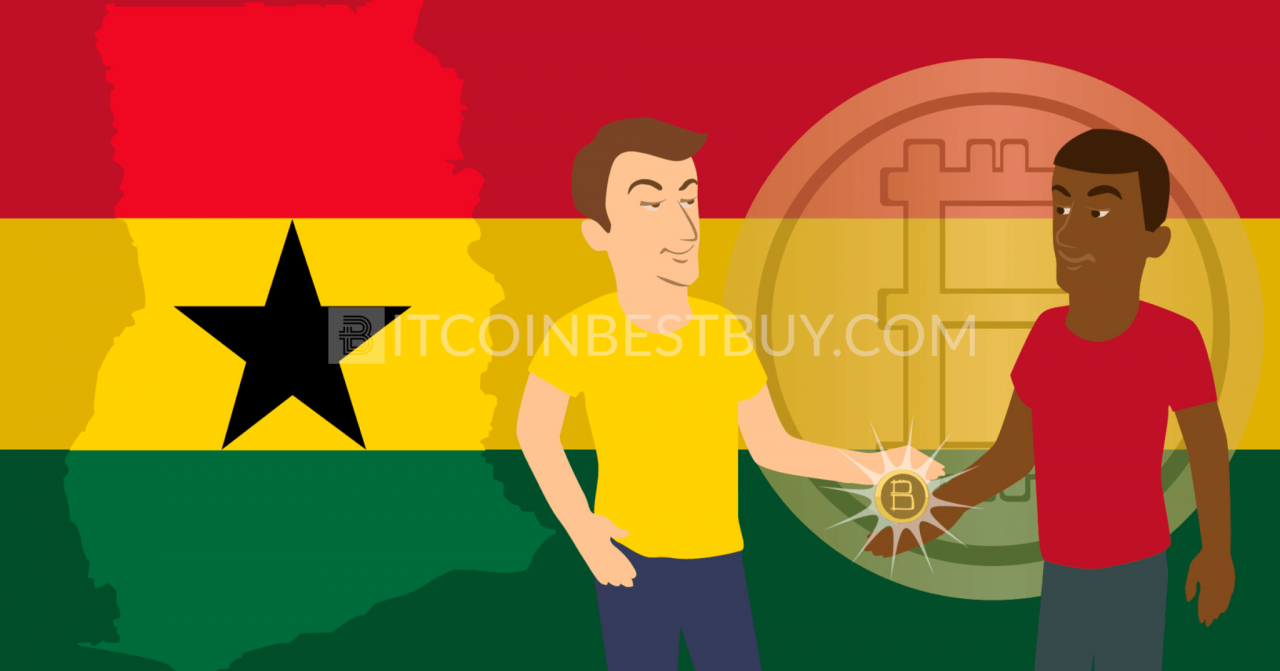
Ghana’s burgeoning interest in cryptocurrency presents exciting opportunities for those seeking to invest in Bitcoin. This guide delves into the intricacies of purchasing Bitcoin within Ghana, exploring various methods, security considerations, and the regulatory landscape. Understanding the nuances of Bitcoin acquisition is crucial for navigating this emerging financial frontier.

From peer-to-peer transactions to established exchanges, this resource examines the diverse approaches available to Ghanaian Bitcoin buyers. We will also assess the advantages and disadvantages of each method, alongside security concerns and common challenges encountered.

Introduction to Bitcoin in Ghana

Bitcoin adoption in Ghana has been steadily growing, driven by factors like a desire for alternative financial options and the perceived potential for higher returns. While the country’s regulatory landscape is still evolving, the cryptocurrency space has seen increasing participation and innovation.

Early Adoption and Current State

Ghana’s early Bitcoin adoption can be traced back to the late 2010s, coinciding with the global rise in cryptocurrency popularity. Initial interest was fueled by online communities and word-of-mouth. The current state of adoption is characterized by a notable presence of Bitcoin users, though adoption rates may vary across demographics. Many Ghanaians utilize Bitcoin for cross-border transactions, remittances, and speculative investments.

There’s a noticeable gap in formal regulatory frameworks, creating a mix of enthusiastic participants and cautious observers.

Methods to Buy Bitcoin

Several methods exist for acquiring Bitcoin in Ghana. These methods cater to different preferences and levels of technical expertise.

  • Online Exchanges: These platforms offer secure and convenient ways to buy and sell Bitcoin using local currency. They usually operate on a peer-to-peer (P2P) model or through regulated exchanges that facilitate transactions between users.
  • P2P Trading Platforms: These platforms connect buyers and sellers directly, allowing for potentially lower fees compared to traditional exchanges. This method often requires verification and careful consideration of the seller’s legitimacy.
  • Crypto ATMs: Physical ATMs that allow users to buy and sell cryptocurrencies using cash. These are becoming increasingly common in urban areas, offering a readily accessible option for those unfamiliar with online platforms.
  • Peer-to-Peer Transactions (Offline): This method involves direct negotiation between buyers and sellers. While potentially convenient for some, it carries greater risk due to the lack of intermediary safeguards and potential scams.

Popular Exchanges and Platforms

A variety of platforms facilitate Bitcoin transactions in Ghana. Their popularity is influenced by factors like user experience, fees, and security. A table outlining some popular options is provided below. Note that the availability and popularity of these platforms can fluctuate over time.

Platform Name Transaction Method Fees User Reviews
Localbitcoins P2P trading Variable, often lower than exchanges Generally mixed, some positive experiences with quick transactions, others report issues with scams.
Binance Online exchange Variable, depending on transaction volume and currency pair Widely used and trusted, but fees can be higher than P2P.
Paxful P2P trading Variable, often lower than exchanges Wide user base, but users should exercise caution as with P2P platforms.
Coinbase Online exchange Variable, depending on transaction volume and currency pair Known for security and user-friendliness. May have higher fees compared to other platforms.
Other local Ghanaian Exchanges Online exchange, varying methods Variable Generally less well-known than international platforms. Local knowledge may be helpful.

Buying Bitcoin in Ghana

Acquiring Bitcoin in Ghana, like in many other countries, involves various methods. Understanding these methods, their associated benefits and drawbacks, and the prevailing security concerns is crucial for any prospective buyer. This section delves into the common avenues for purchasing Bitcoin in Ghana, offering a comprehensive overview of the process.

Methods for Purchasing Bitcoin

Several avenues exist for acquiring Bitcoin in Ghana. These methods range from peer-to-peer transactions to specialized exchanges and mobile wallets, each with unique characteristics. Understanding these variations helps potential buyers make informed decisions.

  • Peer-to-Peer Transactions: This method facilitates direct transactions between individuals. Buyers and sellers negotiate directly, often using platforms or social media groups to connect. This approach offers potential for lower fees compared to exchanges, especially for smaller transactions. However, it exposes buyers to higher risks, as verification of seller legitimacy and transaction security is entirely in the hands of the buyer.

  • Exchanges: Specialized cryptocurrency exchanges, some based in Ghana, provide a platform for buying and selling Bitcoin. These exchanges usually have robust security measures and often offer a wider selection of cryptocurrencies. However, exchanges can impose transaction fees and might not be readily available to everyone. Security concerns remain, though, with exchanges potentially vulnerable to hacking or other security breaches.

  • Mobile Wallets: Mobile wallets offer a convenient and accessible method, particularly for those who primarily use mobile phones. They enable users to store and manage Bitcoin on their mobile devices, and some platforms may facilitate direct purchase from within the app. However, the security of mobile wallets can be a concern if not adequately protected, and the user’s phone is lost or compromised.

    Furthermore, availability and support for mobile wallets may vary based on the user’s specific mobile network and region within Ghana.

Advantages and Disadvantages of Each Method

Each method of acquiring Bitcoin in Ghana has its own set of pros and cons. A careful evaluation of these factors is essential for a successful transaction.

Method Advantages Disadvantages
Peer-to-Peer Potentially lower fees, direct interaction Higher risk of fraud, lacking buyer protection
Exchanges Wider selection, established security measures, often better support Higher fees, limited accessibility, security risks still exist
Mobile Wallets Convenience, accessibility Security vulnerabilities if not managed properly, limited features compared to exchanges

Security Concerns

Security is paramount when dealing with cryptocurrency. Every method presents potential security risks.

  • Peer-to-Peer: The lack of a centralized authority increases the risk of fraud, scams, and non-delivery. Due diligence is crucial when verifying the identity and legitimacy of the seller.
  • Exchanges: Security measures implemented by exchanges vary. Buyers should research and choose reputable exchanges with robust security protocols. While exchanges often have safeguards, they can still be susceptible to cyberattacks.
  • Mobile Wallets: Mobile wallets can be vulnerable to theft if the device is lost or compromised. Strong password protection and regular updates are crucial.

Challenges Faced by Bitcoin Buyers

Several challenges can hinder Bitcoin purchases in Ghana. These factors need to be considered before engaging in transactions.

  • Limited Awareness: A lack of awareness regarding Bitcoin’s functionality and security considerations can make buyers more susceptible to scams.
  • Infrastructure Limitations: Inadequate internet access or reliable electricity in some areas can impact the accessibility of Bitcoin purchasing platforms.
  • Regulatory Uncertainty: Varying regulations concerning cryptocurrencies can introduce ambiguity and complications in the market.

Regulations and Legal Considerations

Navigating the digital realm of cryptocurrency requires a keen understanding of the legal landscape. Ghana, like many other nations, is still developing its regulatory framework for cryptocurrencies. This necessitates careful consideration for both Bitcoin buyers and sellers. A lack of clarity can lead to potential risks and challenges.The current legal status of Bitcoin in Ghana is a blend of regulatory ambiguity and evolving policy.

This creates a dynamic environment where individuals need to be vigilant about staying informed and adhering to the rules as they are defined and clarified.

Legal Framework Surrounding Bitcoin

Ghana’s legal framework regarding cryptocurrencies is currently in a state of evolution. This lack of a dedicated, comprehensive cryptocurrency law creates a complex environment for Bitcoin users. The absence of specific regulations means the existing legal framework is often applied in a somewhat ad-hoc manner. This can lead to uncertainty and varied interpretations of the law’s application to cryptocurrencies.

Government Regulations and Policies

Ghana’s government has not issued a comprehensive legal framework for cryptocurrencies. However, various policies and statements exist, offering limited guidance. These regulations often touch upon aspects like taxation, anti-money laundering (AML), and financial crime.

Implications for Bitcoin Buyers and Sellers

The evolving nature of the regulatory environment significantly impacts both Bitcoin buyers and sellers. The lack of a clear framework means that interpretations and applications of existing laws can differ, leading to potential disputes. Bitcoin buyers need to be mindful of potential tax implications, while sellers should consider AML compliance issues. This complexity necessitates a proactive approach to legal compliance.

Potential Legal Risks

Several legal risks are associated with Bitcoin transactions in Ghana. The lack of specific cryptocurrency legislation can create gray areas, allowing for differing interpretations of existing laws. Without explicit guidelines, transactions could be subject to varying interpretations, potentially leading to legal challenges or conflicts. Furthermore, the absence of a dedicated regulatory body can hinder the resolution of disputes.

Summary of Legal Aspects

Aspect Relevant Laws/Authorities Implications
Taxation Income Tax Act Bitcoin transactions may be subject to income tax.
Anti-Money Laundering (AML) Various financial laws Compliance with AML regulations is crucial. Lack of clear guidance may increase risk.
Financial Crimes Financial Crimes Act Transactions should be conducted with due diligence. Failure to comply could lead to legal repercussions.
Contracts Contracts Act Contractual agreements related to Bitcoin transactions need careful consideration.
Jurisdiction Courts of Ghana Disputes related to Bitcoin transactions are subject to the jurisdiction of Ghanaian courts.

Buying Bitcoin in General

Acquiring Bitcoin globally involves navigating a range of options and considerations. From reputable exchanges to emerging platforms, the process of purchasing Bitcoin presents diverse avenues and varying degrees of complexity. Understanding these nuances is crucial for making informed decisions and minimizing potential risks.

Global Bitcoin Exchange Landscape

A variety of platforms facilitate Bitcoin purchases. These exchanges cater to different user needs and preferences, offering varying levels of security, features, and transaction fees. Different factors influence the choice of exchange, including the user’s location, the desired level of security, and the volume of transactions anticipated.

Factors Influencing Bitcoin Prices

Several factors contribute to the dynamic price fluctuations of Bitcoin. Market sentiment, regulatory changes, and technological advancements all play significant roles in determining the value of the cryptocurrency. News and speculation can also significantly impact the price, often creating volatility in the market. For example, a positive regulatory development in a major market could lead to a surge in demand and an increase in price.

Steps Involved in Buying Bitcoin

The process of purchasing Bitcoin typically involves creating an account, verifying identity, funding the account with fiat currency, and placing a buy order. Each exchange has specific requirements and procedures, so it’s essential to consult the platform’s guidelines for detailed instructions. This process varies across exchanges, reflecting differences in security protocols and user experience.

Comparison of Global Bitcoin Exchanges

Different exchanges offer varying services and user experiences. Comparing key features can help users select the most suitable platform.

Exchange Key Features Pros Cons
Coinbase User-friendly interface, strong security measures, wide acceptance, regulated in many jurisdictions. Ease of use, trusted brand, global reach Limited trading options, higher fees for certain transactions.
Binance Large trading volume, diverse asset selection, competitive fees, global reach High liquidity, wide range of cryptocurrencies, competitive pricing Potentially higher risk due to volume, less user-friendly interface for beginners
Kraken Advanced trading tools, excellent security, high liquidity, diverse markets. High security standards, advanced tools for experienced traders, excellent liquidity. Steeper learning curve, potentially higher fees for smaller trades.
Gemini Robust security measures, regulated in many jurisdictions, user-friendly interface, emphasis on security. Ease of use, strong regulatory compliance, excellent customer service. Limited selection of altcoins, potentially higher fees for certain transactions.

Security and Risk Management

Buying Bitcoin, like any investment, carries inherent risks. Understanding these risks and implementing robust security measures is crucial to protect your digital assets. A proactive approach to security is paramount, especially in the Ghanaian market where the cryptocurrency landscape is evolving.

Common Security Risks Associated with Bitcoin

Bitcoin transactions, while generally secure, are susceptible to various threats. Phishing scams, where malicious actors attempt to trick users into revealing their login credentials, are prevalent online. Compromised websites or email accounts can expose private keys and wallets. Malware infections on personal devices can steal sensitive information. Furthermore, inadequate security practices, such as weak passwords or lack of two-factor authentication, significantly increase the risk of unauthorized access.

Finally, the anonymity inherent in some Bitcoin transactions can make tracing illicit activities challenging.

Best Practices for Securing Bitcoin Purchases in Ghana

To mitigate risks, adopting best practices is essential. Verify the legitimacy of Bitcoin exchange platforms and services. Look for platforms with robust security measures and a strong reputation. Use strong, unique passwords for all your Bitcoin accounts. Enable two-factor authentication wherever possible, adding an extra layer of security to your logins.

Regularly update software and operating systems to patch vulnerabilities. Be cautious of suspicious emails or links. Avoid clicking on unknown links or downloading attachments from untrusted sources. Do not share your private keys or passwords with anyone.

Strategies for Protecting Bitcoin Wallets and Accounts

Protecting your Bitcoin wallets and accounts requires a multi-faceted approach. Utilize a secure, dedicated Bitcoin wallet. Consider both hot wallets (accessible online) and cold wallets (offline). Storing your private keys offline is a critical step in protecting them from online threats. Regularly monitor your accounts for suspicious activity.

Report any suspicious activity immediately to the relevant authorities. Consider using a reputable Bitcoin exchange platform with advanced security features. Implementing a comprehensive strategy involving both software and hardware security is crucial.

Mitigation of Risks During Bitcoin Transactions

During transactions, careful consideration is vital. Always verify the recipient’s address before sending Bitcoin. Use secure connections for transactions, like HTTPS. Be mindful of transaction fees and potential delays. Do not engage in transactions that seem too good to be true.

Thorough due diligence in verifying the legitimacy of any transaction is essential to avoid potential scams.

Security Measures for Bitcoin Transactions

Security Measure Description Importance
Strong Passwords Use complex, unique passwords for each account. Essential for preventing unauthorized access.
Two-Factor Authentication (2FA) Enable 2FA on all accounts. Adds an extra layer of security beyond passwords.
Cold Storage Store private keys offline in a secure device. Protects against online threats and hacks.
Regular Account Monitoring Check for suspicious activity on a regular basis. Early detection of potential threats.
Secure Software Updates Keep software and operating systems updated. Address vulnerabilities and protect against exploits.

Bitcoin Trading in Ghana

Bitcoin trading in Ghana presents a unique mix of opportunities and challenges. The burgeoning cryptocurrency market in the country offers potential for significant gains, but navigating the regulatory landscape and understanding the intricacies of trading strategies are crucial for success. Ghanaian investors must carefully weigh various factors to make informed decisions.

Potential for Bitcoin Trading in Ghana

The growing interest in Bitcoin among Ghanaian investors, coupled with the availability of diverse trading platforms, suggests substantial potential for Bitcoin trading within the country. This potential is further fueled by the increasing digitalization of the Ghanaian economy. The accessibility of internet and mobile technology has enabled a significant portion of the population to engage in online transactions, fostering a conducive environment for cryptocurrency trading.

However, awareness of the inherent risks and volatile nature of Bitcoin investments is paramount.

Bitcoin Trading Strategies

Several trading strategies are employed by Bitcoin traders in Ghana, each with its own set of risks and rewards. These include day trading, swing trading, and long-term holding. Day trading involves quick buys and sells within a single day, aiming for small but frequent profits. Swing trading focuses on capturing gains over a few days to weeks.

Long-term holding involves acquiring Bitcoin and holding it for extended periods, capitalizing on potential long-term price appreciation. Successful traders often adapt their strategies based on market conditions and personal risk tolerance.

Factors Influencing Bitcoin Trading Decisions

Several factors influence Bitcoin trading decisions in Ghana. Market volatility, regulatory frameworks, and economic conditions play significant roles. The Ghanaian cedi’s exchange rate against other major currencies, including the US dollar, can impact Bitcoin’s perceived value. Furthermore, investor sentiment and news surrounding Bitcoin and the broader cryptocurrency market can drive fluctuations in trading activity. The availability of educational resources and the level of financial literacy within the Ghanaian community also influence investor choices.

Trading Platforms Available to Ghanaian Bitcoin Traders

Various online platforms cater to Ghanaian Bitcoin traders. These platforms offer different functionalities, fees, and security measures. Choosing the right platform is crucial for successful and secure trading. Factors such as transaction fees, platform security, and customer support should be considered when making a selection.

Table of Bitcoin Trading Platforms in Ghana

Trading Platform Key Features Security Measures Fees
Binance Wide range of cryptocurrencies, advanced trading tools, competitive fees. Multi-factor authentication, cold storage, and robust security protocols. Variable, dependent on trading volume and type.
KuCoin Competitive trading fees, diverse selection of cryptocurrencies. Secure infrastructure, robust security features. Variable, dependent on trading volume and type.
Local Ghanaian Exchanges (e.g., CoinBase Ghana) Often focus on local currency trading and accessibility. Security measures may vary, potentially lower than global exchanges. Variable, often higher than international exchanges due to local currency exchange rates.
Paxful Peer-to-peer trading platform; enables direct transactions between users. Security is primarily the responsibility of individual users. Variable, often dependent on the negotiated terms.

Note: This table is illustrative and not exhaustive. Fees and features can change over time. Always research and compare before choosing a platform.

Bitcoin Use Cases in Ghana

Bitcoin’s potential in Ghana extends beyond a mere investment tool. Its decentralized nature and borderless transactions are attracting attention as a solution for various economic challenges, particularly in cross-border remittances and financial inclusion. This section explores the diverse applications of Bitcoin in Ghana, highlighting its use in payments, remittances, and investments, along with its impact on the Ghanaian economy.

Bitcoin for Payments

Bitcoin’s adoption for daily transactions in Ghana is still nascent but growing. Businesses and individuals are exploring its potential for peer-to-peer (P2P) payments. This allows for faster and potentially cheaper transactions compared to traditional methods, especially for cross-border payments.

Bitcoin for Remittances

Bitcoin’s ability to facilitate faster and cheaper cross-border remittances is a significant advantage for Ghanaians living abroad. It circumvents traditional banking systems, potentially reducing transaction fees and offering a more streamlined process. This has the potential to greatly improve financial inclusion for those reliant on remittances.

Bitcoin for Investments

Bitcoin is increasingly being recognized as an investment opportunity in Ghana. Its volatility, while a risk, also presents potential for high returns. Individuals are exploring Bitcoin as a diversifying asset, potentially seeking to hedge against inflation or currency fluctuations.

Examples of Daily Transactions

Bitcoin can be used for various daily transactions, though its widespread adoption for everyday use is still developing. For instance, a Ghanaian could use Bitcoin to purchase goods online or pay for services from vendors who accept it.

Impact on the Ghanaian Economy

Bitcoin’s potential impact on the Ghanaian economy is multifaceted. It could potentially increase financial inclusion by providing access to financial services for those excluded from traditional banking systems. It could also boost cross-border transactions and remittances, thereby contributing to the economy. However, its volatility and regulatory uncertainties need to be carefully considered.

Summary Table

Use Case Description Impact on Ghana
Payments Facilitates P2P transactions, potentially cheaper than traditional methods. Could improve efficiency of daily transactions, especially for SMEs.
Remittances Enables faster and potentially cheaper cross-border transfers for Ghanaians abroad. Significant potential to boost remittances and improve financial inclusion.
Investments Emerging as an investment opportunity, offering potential high returns but also risk. Could diversify investment portfolios and potentially hedge against inflation.

Future of Bitcoin in Ghana

Bitcoin’s presence in Ghana is rapidly evolving, mirroring global trends. The country’s burgeoning digital economy and increasing internet penetration are crucial factors driving this evolution. Understanding the potential future trajectory requires considering the interplay of technological advancements, regulatory frameworks, and the broader economic landscape.

Potential Future Regulations for Bitcoin in Ghana

Ghana’s regulatory approach to cryptocurrencies, including Bitcoin, is likely to become more defined and comprehensive in the coming years. This involves potential legislative measures that could include licensing requirements for exchanges, tax implications for Bitcoin transactions, and clearer definitions of responsible use and security measures. Such measures will be designed to balance the need to support innovation with protecting consumers and maintaining financial stability.

It’s expected that regulations will be carefully formulated to allow for the growth of the Bitcoin sector while mitigating risks. This is a common pattern in many countries as they navigate the complexities of cryptocurrency adoption.

Bitcoin’s Potential Impact on Ghana’s Financial Sector

Bitcoin’s potential to impact Ghana’s financial sector is substantial. It could potentially offer innovative financial services, particularly for underserved populations lacking traditional banking access. This includes remittances, micro-financing, and access to global financial markets. However, it’s also important to acknowledge the potential risks, including the volatility of Bitcoin’s value and the security concerns associated with digital assets.

This underscores the need for careful regulation and education to ensure that Bitcoin’s impact is positive and beneficial for the Ghanaian economy.

Trends Shaping Bitcoin Adoption in Ghana

Several factors are influencing Bitcoin adoption in Ghana. These include the growing awareness of Bitcoin’s potential among a wider population, increasing access to online payment systems, and the desire for alternative financial solutions. The increasing usage of mobile money platforms, coupled with the rising mobile phone penetration, provides fertile ground for Bitcoin adoption to flourish. These developments have been observed in various emerging markets globally.

Forecasted Future of Bitcoin Adoption in Ghana

Year Bitcoin Adoption Level (Estimated) Factors Influencing Adoption
2024 Moderate Growing awareness, limited regulatory clarity.
2025 Increasing More defined regulations, improved infrastructure, increased merchant acceptance.
2026 Significant Expansion of Bitcoin-related services, positive market sentiment, broader financial inclusion initiatives.
2027 High Stronger institutional support, wider acceptance among businesses, potential for integration with other financial systems.

This table provides a simplified forecast. The actual adoption rate will depend on various factors, including the regulatory environment, technological advancements, and market conditions.

Final Summary

How To Buy Bitcoin From Ghana - Earn Bitcoin Nicehash

In conclusion, purchasing Bitcoin in Ghana is a multifaceted process influenced by a variety of factors, including available methods, security measures, and the ever-evolving regulatory framework. This guide offers a comprehensive overview to empower potential buyers with the knowledge necessary to navigate this digital landscape safely and effectively. The future of Bitcoin in Ghana is promising, and this resource provides a foundation for understanding and participating in this exciting market.

User Queries

What are the common security risks associated with buying Bitcoin in Ghana?

Common security risks include scams, phishing attempts, and weak password practices. Protecting your Bitcoin wallet and transactions is essential.

What are the most popular exchanges for buying Bitcoin in Ghana?

Several exchanges are popular, each with varying transaction methods, fees, and user reviews. A table within the main content will list these options.

What is the legal framework surrounding Bitcoin in Ghana?

Ghana’s legal framework concerning Bitcoin is evolving. Current regulations and policies are discussed in the guide, alongside their implications for buyers and sellers.

What are the different methods available for purchasing Bitcoin in Ghana?

Methods include peer-to-peer transactions, exchanges, and mobile wallets. Each method has its advantages and disadvantages, and this is discussed in detail.